- Oldest dated building
- Former German government seat, 18912
- Colonial buildings
- About ten notable ones, German and French periods1
What it is
Bonanjo, with Akwa and Deïdo, is one of the three original Duala villages on the left bank of the Wouri mouth. Today it is the administrative and business quarter of Douala I, home to the head offices of the main banks and companies, a branch of the central bank (BEAC), the Littoral region's administrations and the port authority.1,9
History
Its colonial shape dates from German rule. A town plan of 1910 separated native and European quarters, reserving Bonanjo and the Joss plateau for the administration, public services, European homes and the Duala princely families, and the Germans expropriated 280 ha of the plateau, to the anger of the Duala. In 1913 they tried to move the population to New Bell; King Rudolf Duala Manga Bell led the opposition and was hanged with Ngosso Din on 8 August 1914.1,10
What to see
The former German government seat, put up in 1891 in a Prussian classical style, was one of the first solid buildings on the plateau. Its original flat roof of 'wood concrete' under 30 cm of sand did not survive the rains and was replaced in 1900 by a hipped roof. Under the French mandate it housed the High Commissioner's delegate; it is now the Douala I sub-prefecture.2
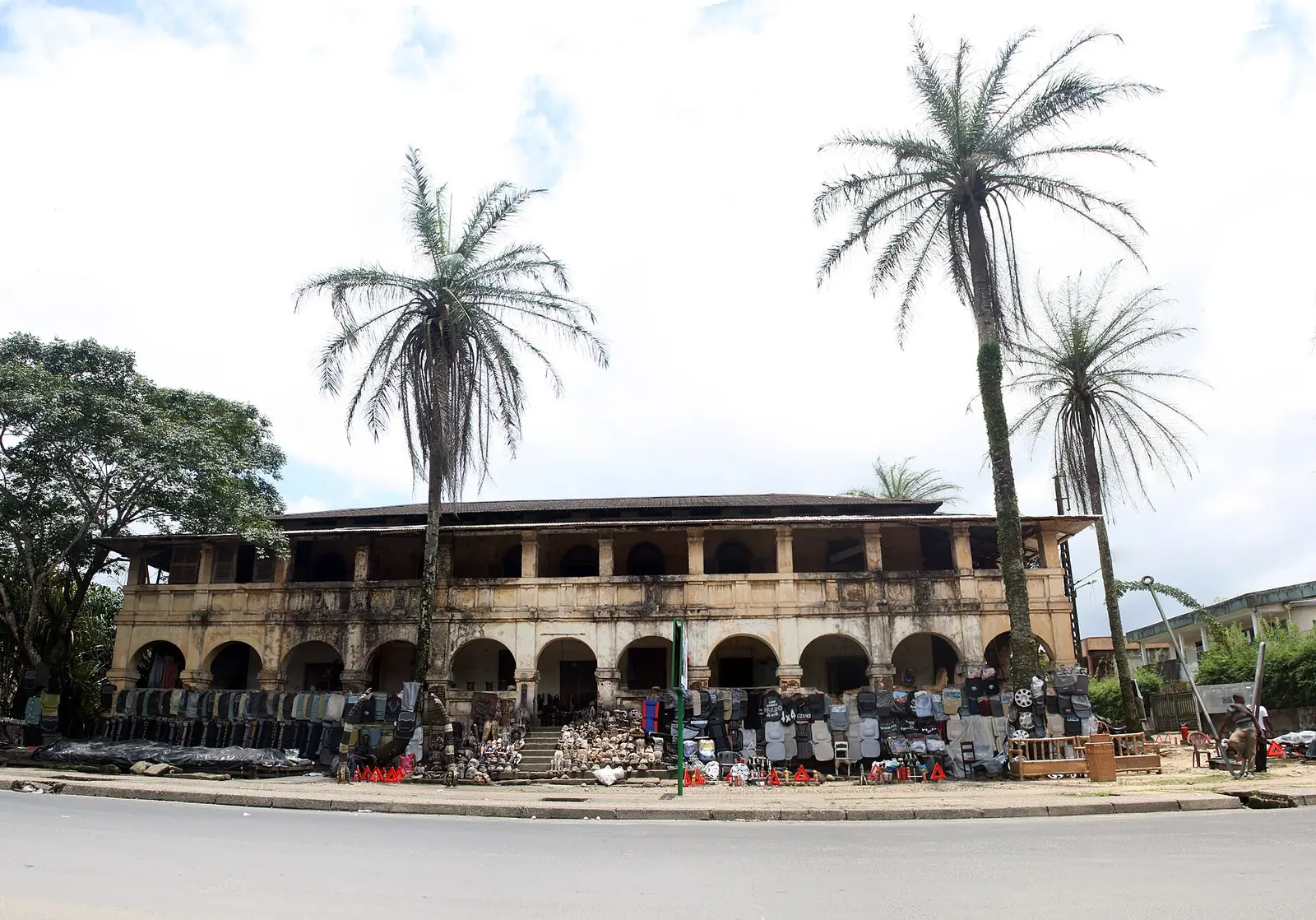
The former general hospital was built in 1896 at the initiative of Dr Albert Plehn to plans by the architect Henri Drees, named after Gustav Nachtigal and reserved for Europeans; the French doubled it in 1930. Louis-Ferdinand Céline, a patient there in 1916, described it in Voyage au bout de la nuit. The Woermann-Linie, which first set up in the town in 1868, built its large head office in 1927 after returning in the 1920s; it now houses the regional urban development delegation.3,5
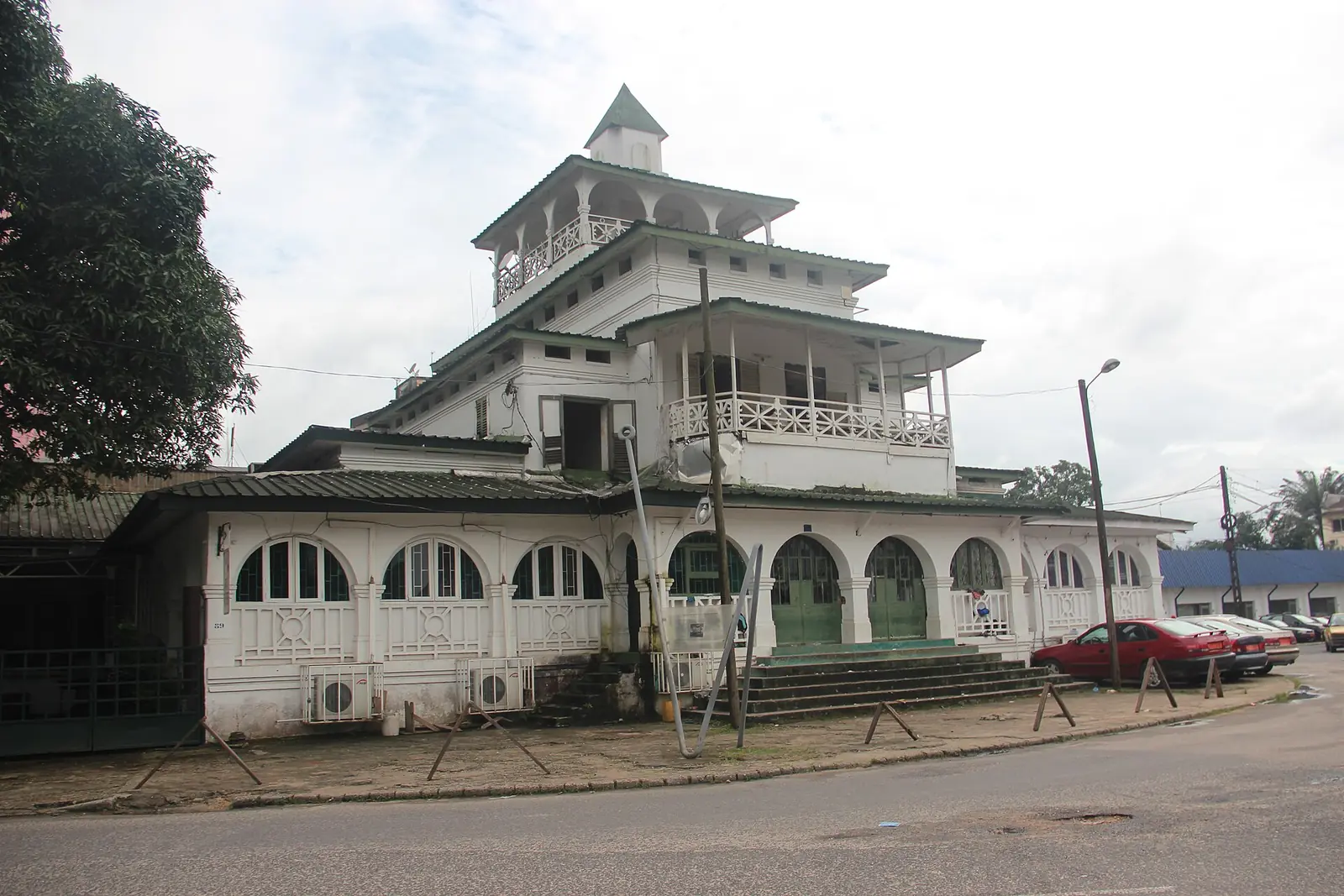
The art nouveau residence of the French district head dates from 1930 and stands on the site of the German-era native court; it is now the Tribunal de grande instance. French Wikipedia dates the Chamber of Commerce to 1927 and the Palace of Justice, now the court of appeal, to 1930; the city timeline gives 1928 and 1931. The quarter also holds La Pagode, the Bell kings' palace of 1905, and the Villa Mandessi Bell, completed in 1910.1,4,6
Its place in the city
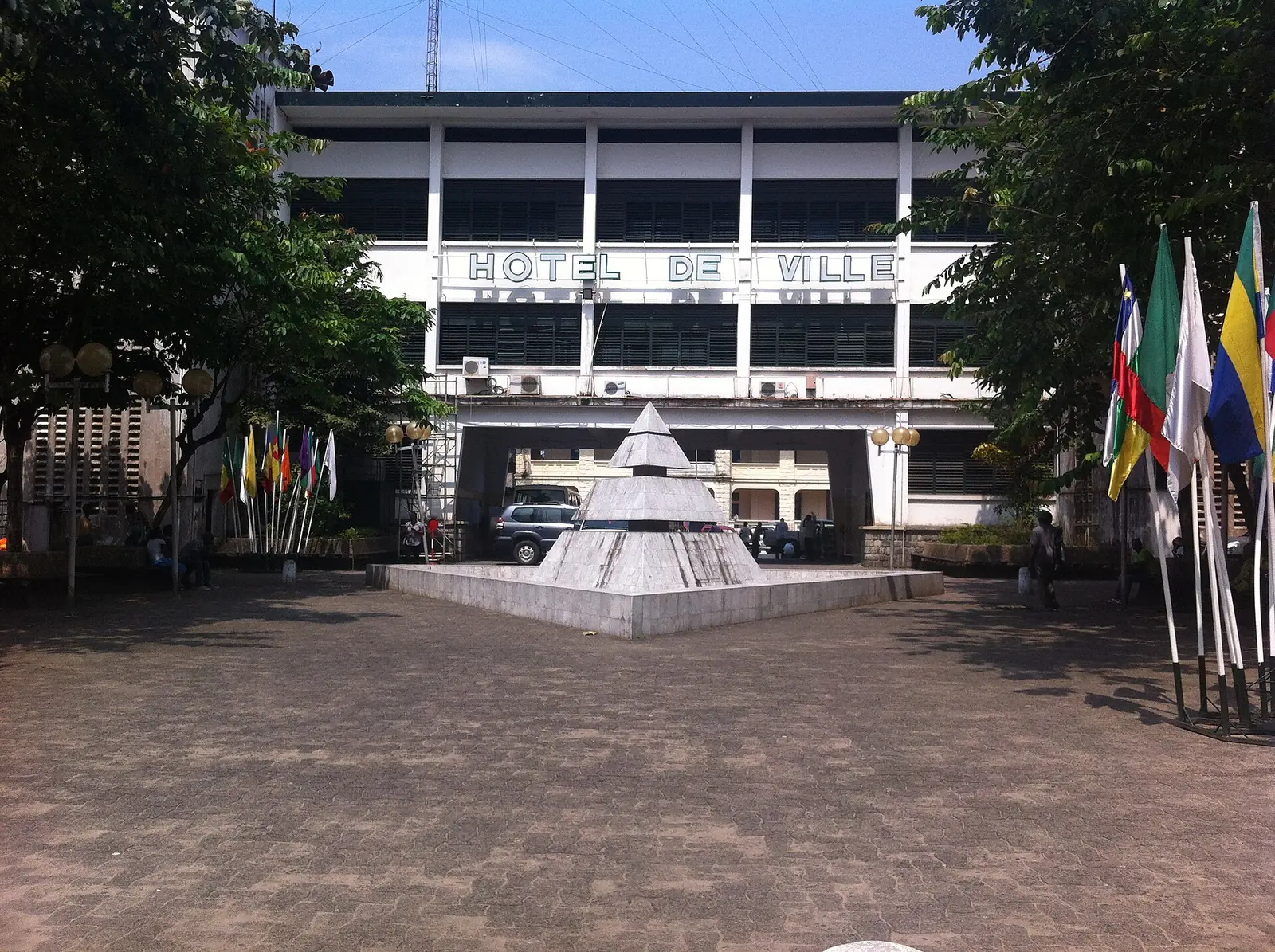
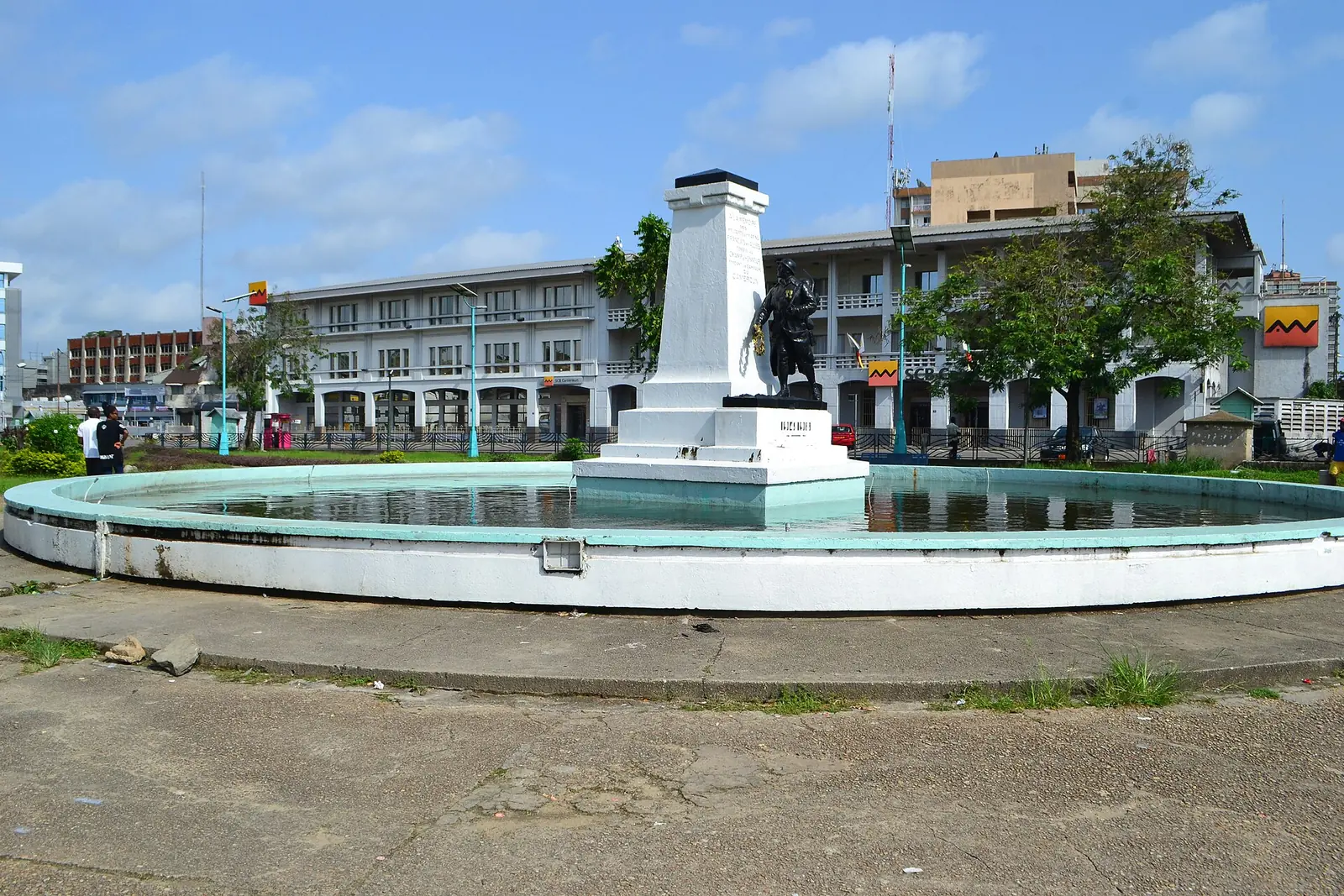
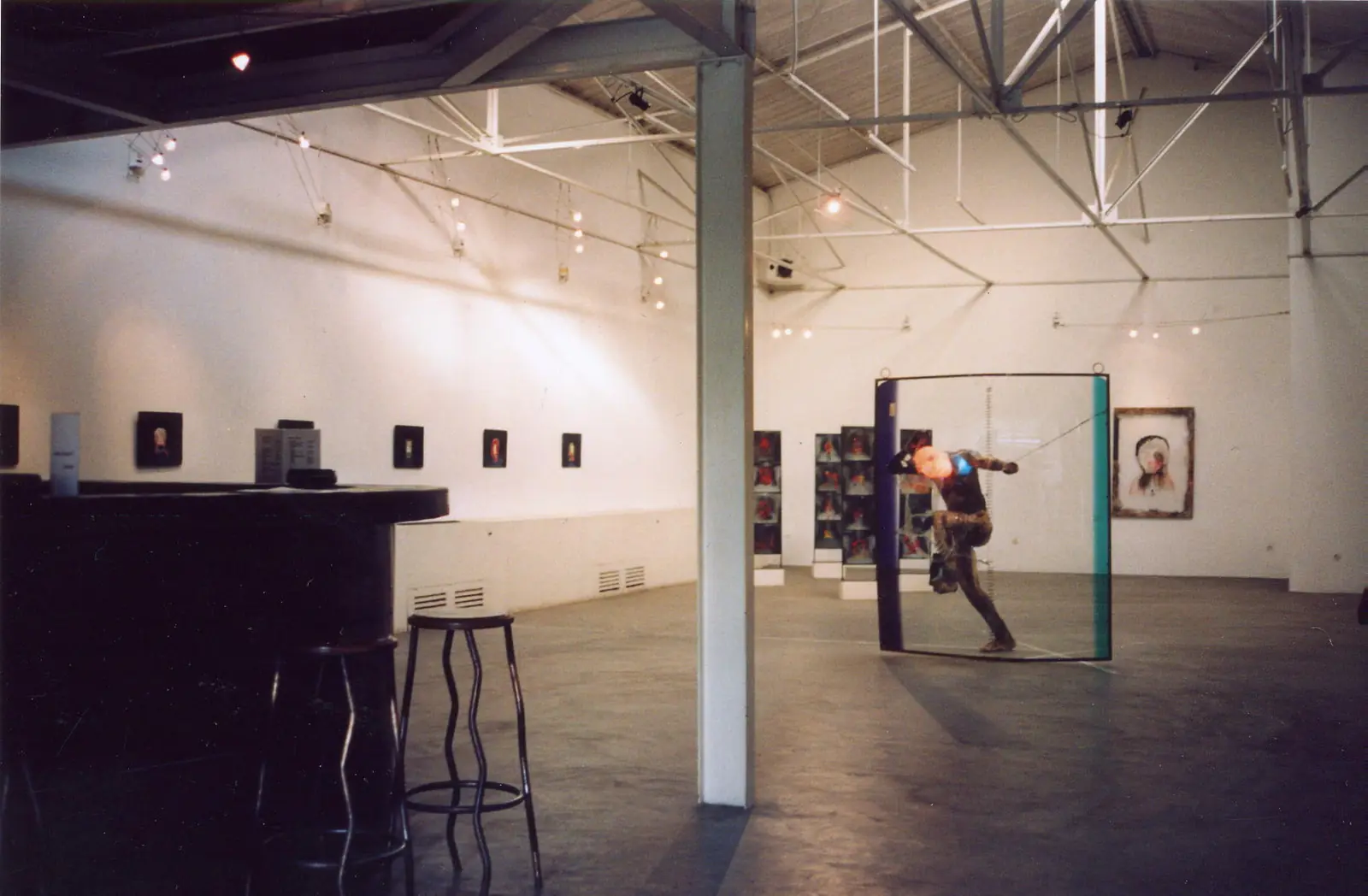
The heart of the quarter is the Place du Gouvernement. English Wikivoyage, in an August 2020 listing, describes an old colonial building next to doual'art, with Parc Bonanjo across the street and its monument to an unknown soldier. A statue of General Leclerc stands about 100 m away, by the post office. Doual'art marked several of these buildings with history signs, its Arches de la mémoire.2,7,8
Visiting
Map
What visitors say
We summarise accounts published elsewhere and link to the original. These aren't reviews collected by this site, and we don't show a rating.
We haven't yet found a published visitor account for this place.
Check before you go
Our sources can't yet confirm these points:
- Whether doual'art's history signs are still in place
- Whether photographing government and court buildings is allowed
- The current use of the former general hospital (French Wikipedia calls it GMI 2)
- The dates of the Chamber of Commerce (1927 or 1928) and the Palace of Justice (1930 or 1931)
- Whether the old German government seat really housed the government from 1885, before its stated construction in 1891
Also nearby
Sources for this page
Information checked on 18 November 2026. It may have changed since.
- Bonanjo (Douala), Wikipedia (French) (14 October 2026)
- Ancien Siège du Gouvernement Allemand (Arches de la mémoire, Douala ville d'art et d'histoire; archived copy of 2015-02-08), doual'art (undated)
- Ancien Siège de la Woermann Linie (Arches de la mémoire, Douala ville d'art et d'histoire; archived copy of 2015-02-08), doual'art (undated)
- Ancienne Résidence du Chef de Circonscription (Arches de la mémoire, Douala ville d'art et d'histoire; archived copy of 2015-02-08), doual'art (undated)
- Ancien hôpital général (Arches de la mémoire, Douala ville d'art et d'histoire; archived copy of 2015-02-08), doual'art (undated)
- Timeline of Douala, Wikipedia (English) (29 August 2026)
- Douala, Wikivoyage (English) (24 October 2026)
- Commémoration de l'Armistice : honneurs aux morts (Georges Emmanuel Tsayid), Cameroon Tribune (14 November 2022)
- Douala, Wikipedia (English) (11 November 2026)
- New Bell, Wikipedia (French) (3 May 2026)
Enquire about Bonanjo colonial quarter
Visit Bonanjo colonial quarter
Plan your trip to Bonanjo colonial quarter in the Littoral Region. Send us an enquiry about guided tours, accommodation and transport, and we'll reply by email.
Send an enquiryLittoral Region
Capital: Douala
Cameroon's economic centre, around the port city of Douala and the Wouri Estuary, with Sawa and Bassa heritage, the Ngondo festival and the Sanaga River at Edéa.
More places in the Littoral Region
Douala Maritime Museum
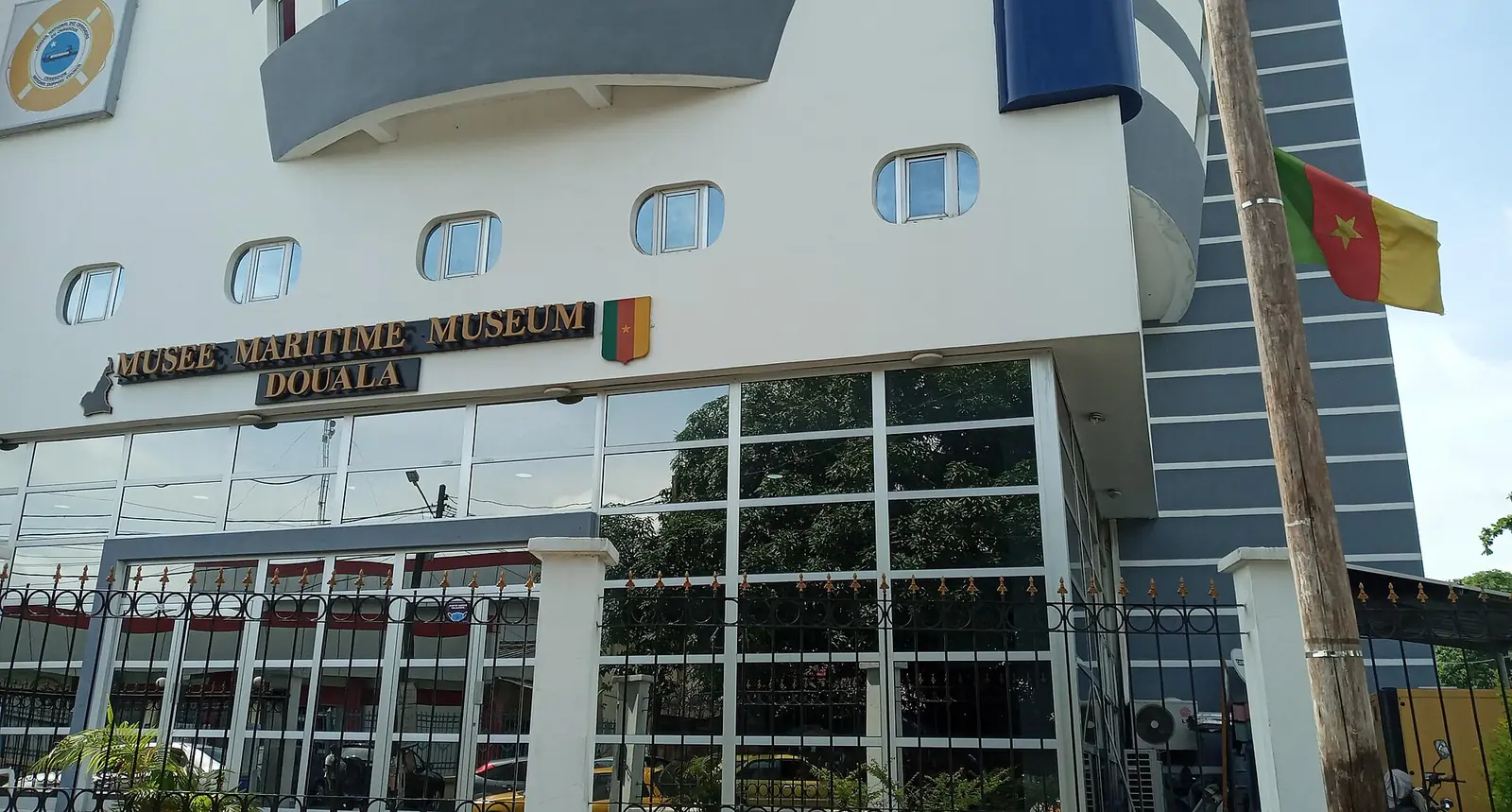
A ship-shaped museum in Douala's Bonanjo district on Cameroon's coast, ports and ships, with a recreated ship's bridge and a navigation simulator.
La Pagode (Palace of King Bell)
The former palace of the Bell kings in Bonanjo, Douala, built in 1905 and still owned by the Bell family. It was home to Rudolf Duala Manga Bell, hanged by the German authorities in 1914.
Ekom-Nkam Waterfalls
A waterfall of about 80 m on the Nkam river near Melong, set in forest and used as a filming location for Greystoke (1984). A second fall runs beside it in the rainy season.
Wouri Estuary
The tidal estuary where the Wouri, Mungo and Dibamba meet the Atlantic at Douala, lined with mangroves and fishing villages, and the source of Cameroon's name.