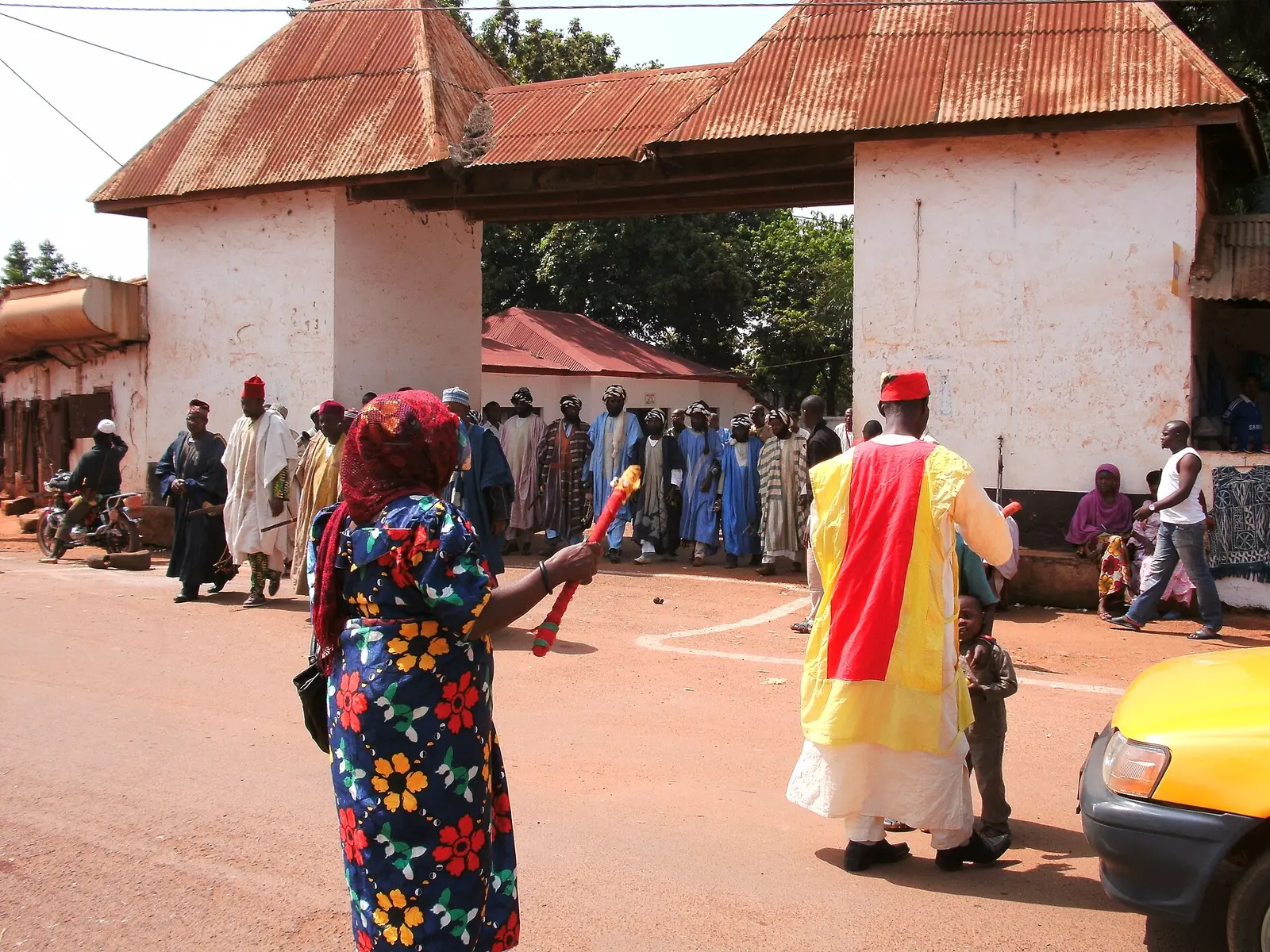
A highland region of plateaus, crater lakes and chiefdoms, home mainly to the Bamiléké and the Bamoun, with Bafoussam as its capital. Foumban's palace, museums and artisans and the Nguon rituals are among its best-known features.
Places to visit
- Main languages
- Bamileke languages such as Ghomala', Medumba, Ngiemboon and Yemba; Bamum; French1
Highlands, crater lakes and seasons
The West covers 13,892 km² of the Western High Plateau, about 3% of Cameroon, across eight divisions. The 2005 census counted 1,720,047 people. Later figures don't agree: Wikipedia gives 1,921,590 for 2015 and 2,770,400 for 2019, and the regional council quotes 2,095,230 with no year.1,2,3
Plateaus of 1,000 to 1,500 m are broken by higher massifs, and the land drops to about 500 m in the Noun and Nkam valleys. The main massif is the Bamboutos, a volcanic complex more than 50 km long with a caldera about 10 km across. Its height varies by source: about 2,740 m according to the regional council, and about 2,679 m in Wikipedia's article on the massif.1,3,4
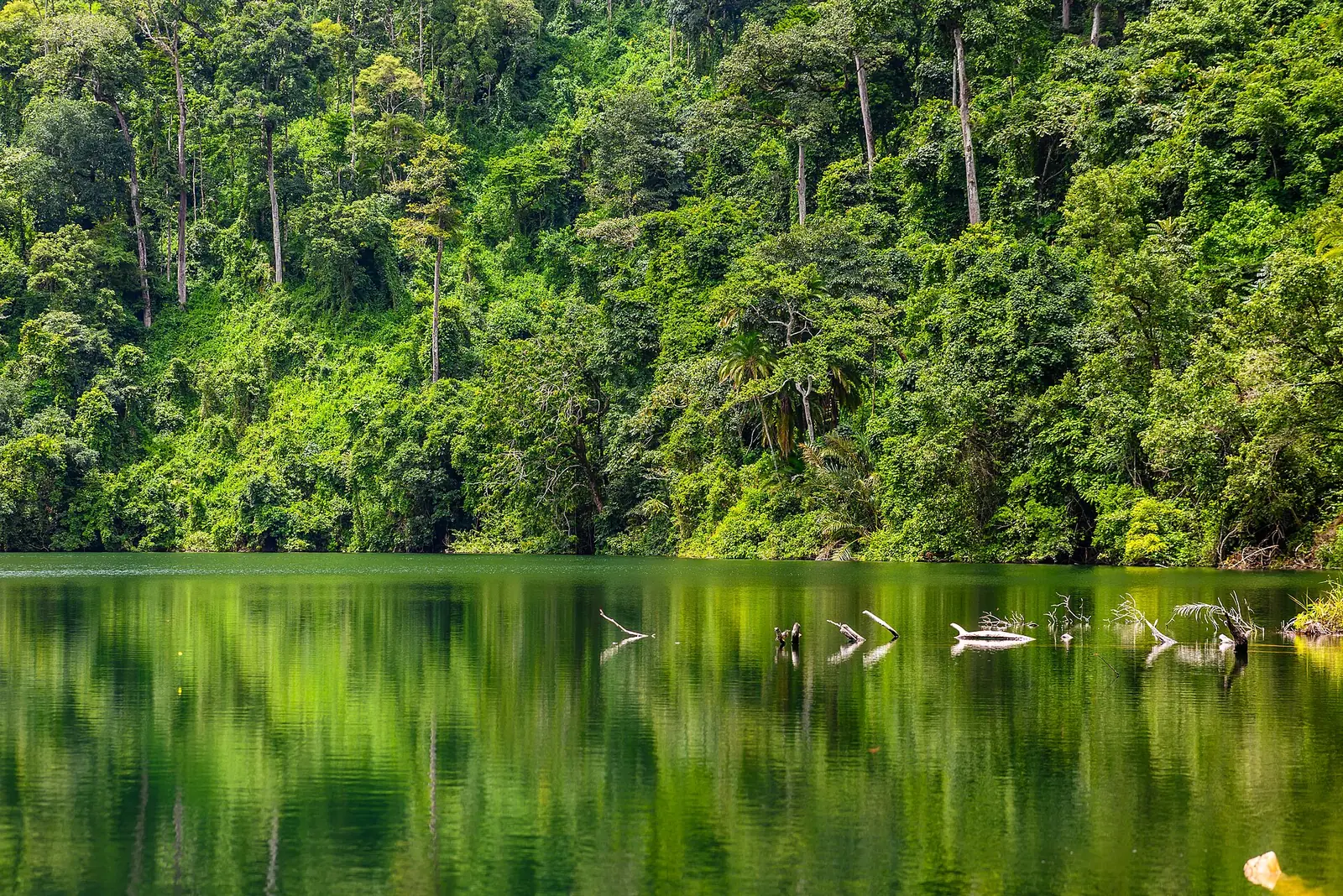
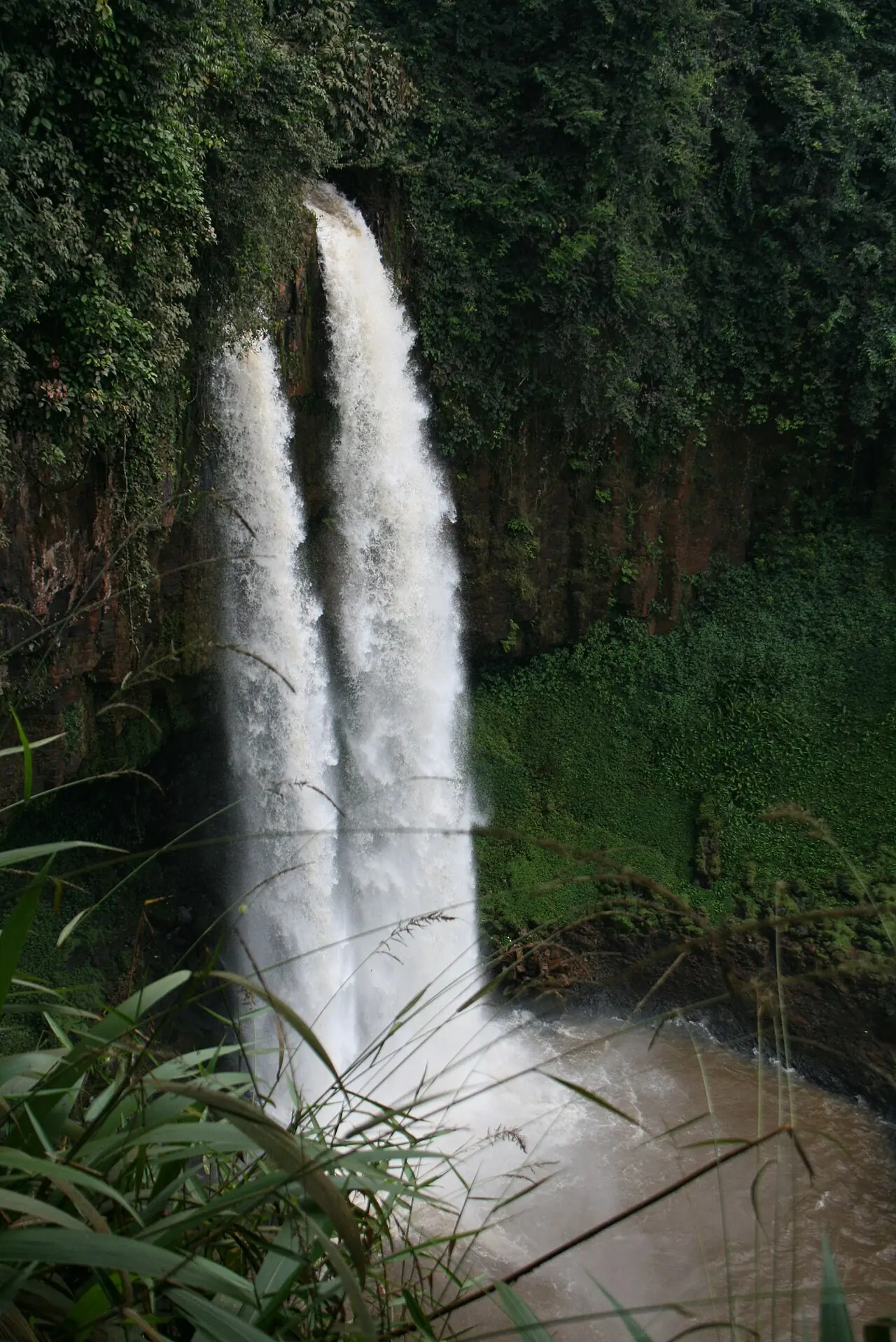
Most of the region's lakes are crater lakes. Lake Baleng, about 11 km north of central Bafoussam, is about 400 m long and is locally regarded as a traditional sanctuary; it entered the national heritage list in 2020. Waterfalls include the Métché, which Wikivoyage puts at 40 to 50 m, and the Mouankeu at the entrance to Bafang, given as 60 m on French Wikipedia.1,11,17,25
Temperatures average about 22 °C and rainfall runs from 1,000 to 2,000 mm a year. Across most of the region, a long dry period ends when rains arrive in May or June, and these last until October or November. The southeast has four seasons, with dry spells from December to March and June to August, and rains from March to June and September to December.1
Peoples, languages and chiefdoms
The regional council names five groups: Bamiléké, Bamoun, Tikar, Mbo and Mbororo. Population density is highest around Bafoussam, Dschang, Mbouda and Bafang. The region also has speakers of Bamum, Bamenyam, Mbo and Tikar, and most educated residents also speak French.1,3,7
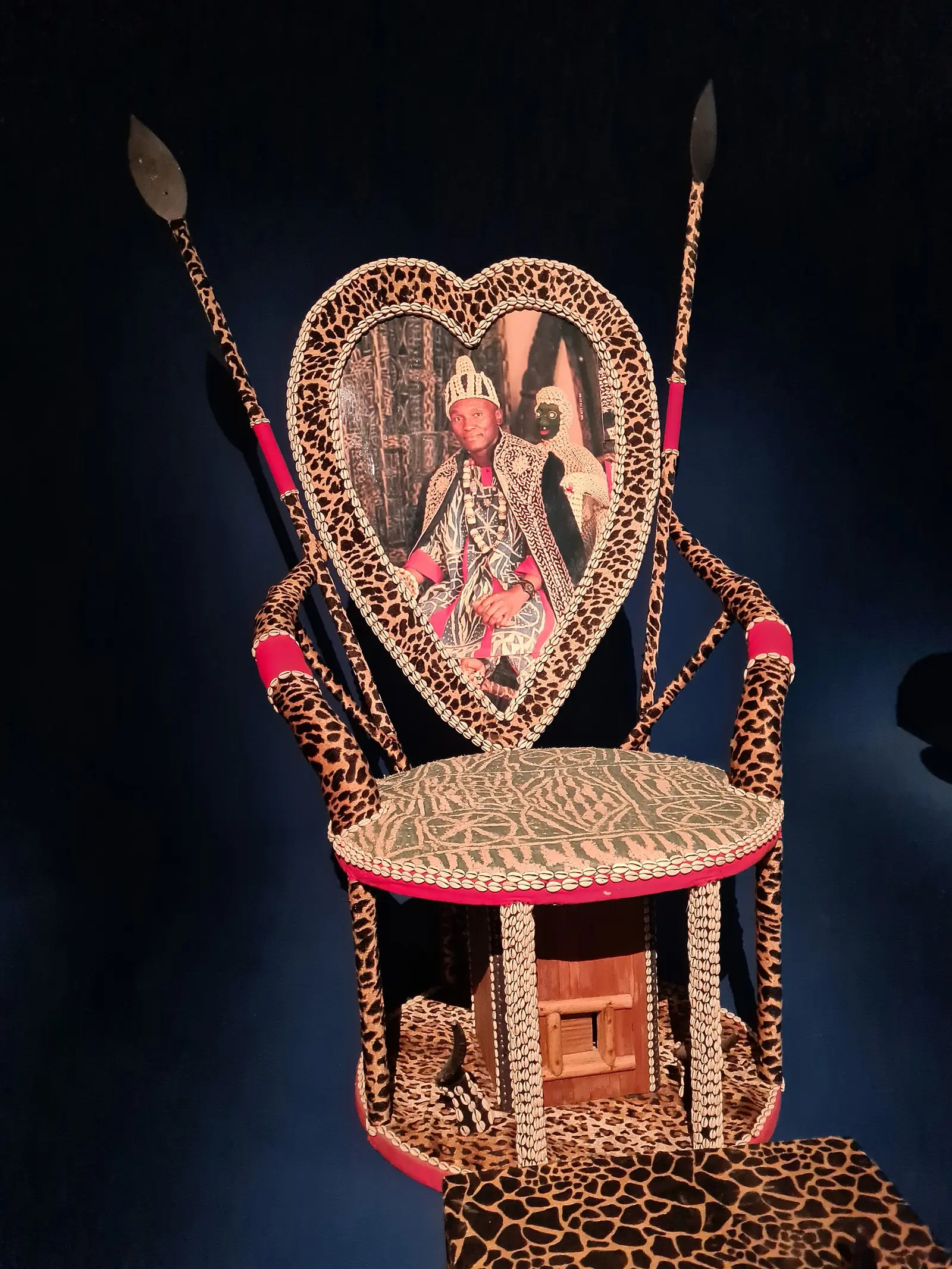
Bamiléké society is organised into chiefdoms, each led by a fon who holds spiritual, political, judicial and military roles and is advised by a council of notables. The regional council lists Bandjoun, Bamendjou, Badoumla and Bafoussam among the best known. The Bamoun, mostly Muslim today, have a single monarch at Foumban.1,3,6,7
History
Bamiléké groups probably reached the area in the 17th century, moving under pressure from Fulbe and Chamba raids, though oral traditions describe several routes. The Bamoun kingdom's founding date also varies: 1384 in press reports of the 2024 museum opening, 1394 on Wikipedia's Foumban page, and about 1390 in the title of a 2009 study. Wikipedia's regional article adds that most scholars date the settlement at Foumban to the mid-19th century.1,6,7,8,10
King Ibrahim Njoya reigned from 1886 or 1887 (his accession is also given as 1895) until his death in 1933. He developed a script for the Bamoun language, reduced to about 80 signs by 1910, and built the present palace after the old one burned in 1913; it was completed in 1917. France took over the territory in 1916 and sent him to Yaoundé in 1931, where he died.1,6,9,10
Germany claimed Kamerun in 1884 and made Dschang an administrative centre in the 1900s (sources give 1903 or 1909). Under France, Bafoussam was founded in 1926 on land offered by Fotso II of Bandjoun. Strikes in Bamiléké areas in June 1959 led to martial law. Independence followed on 1 January 1960, and regional administration moved from Dschang to Bafoussam.1,15,23
What the region is known for
Wikipedia's regional article names Foumban, with its artisans and palace, as the main tourist draw. The Foumban Royal Palace houses a museum, and the Museum of the Bamoun Kings, opened in the town on 13 April 2024, holds about 12,500 pieces. The Rue des Artisans is home to sculptors, basket makers, weavers and embroiderers, and Foumban's cooperatives also work in ceramics and in brass and bronze casting.1,8,10
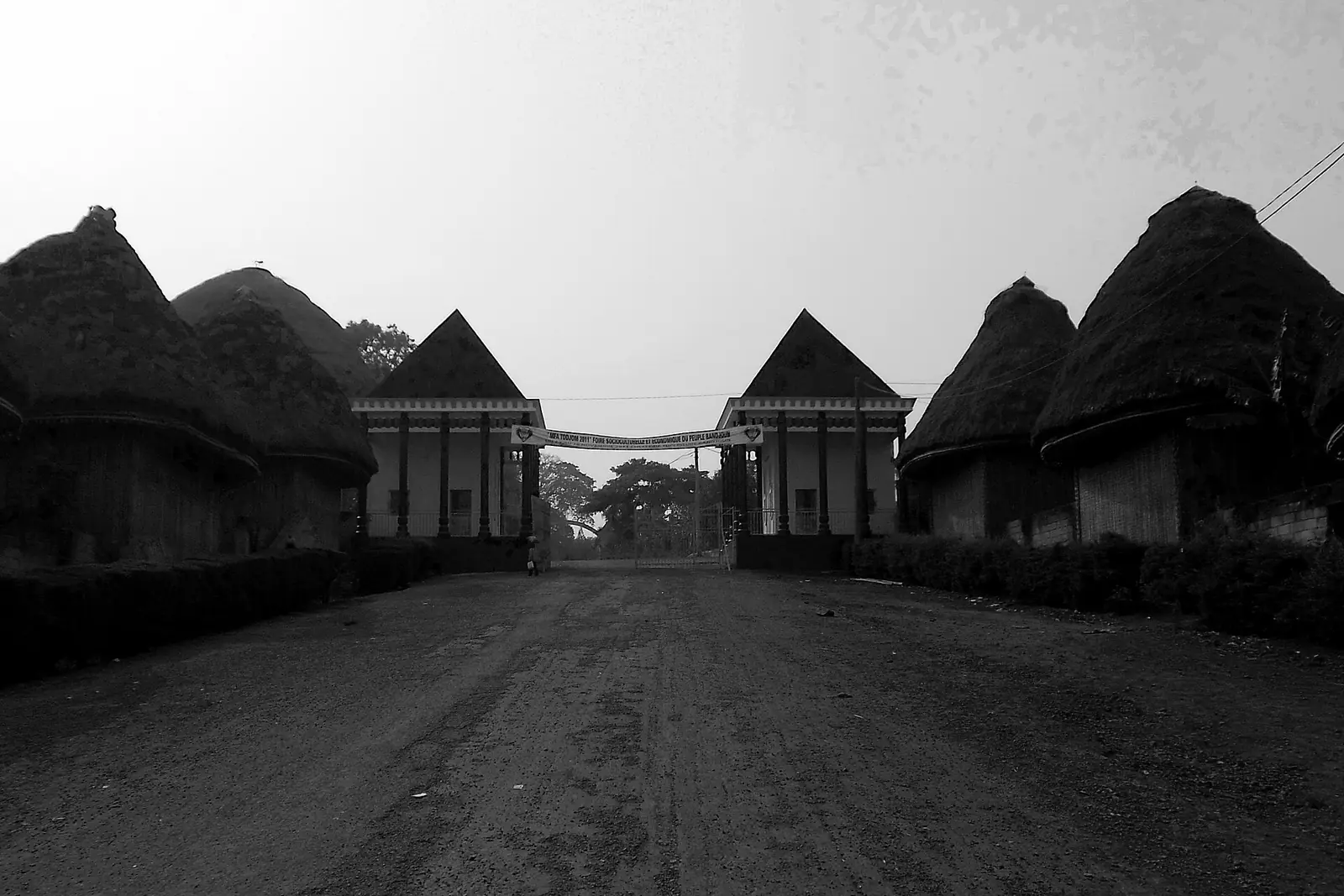
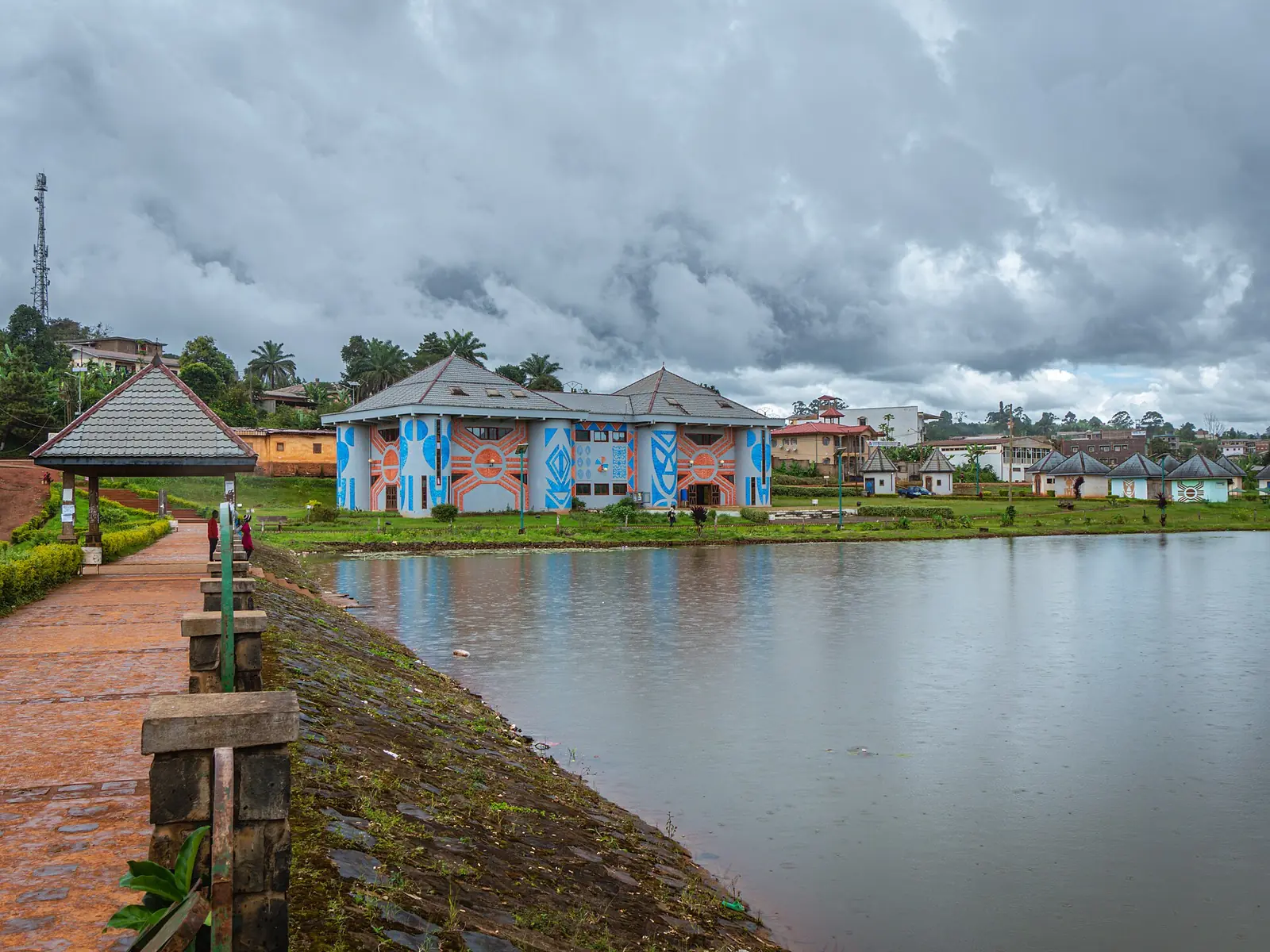
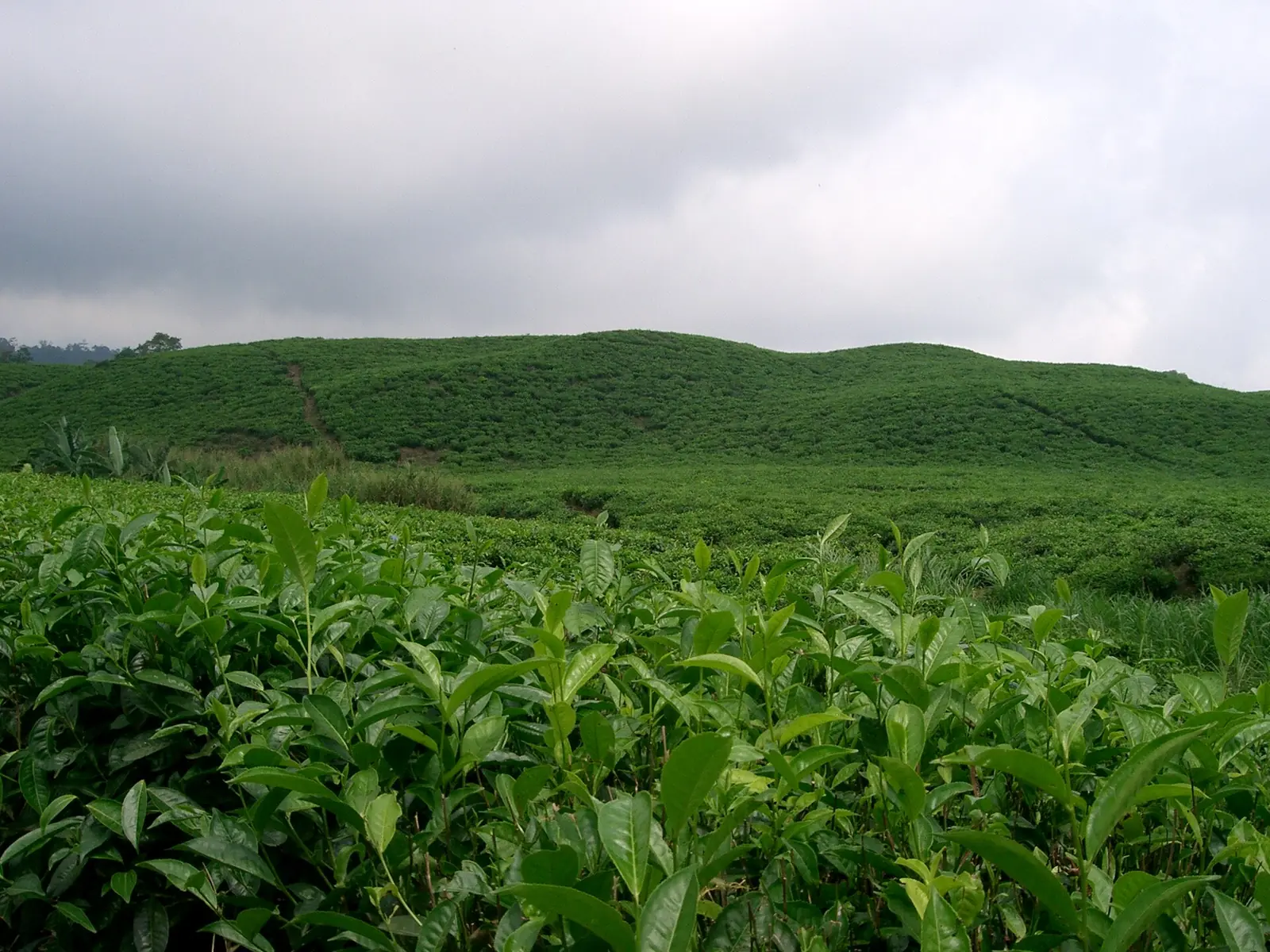
The site also lists these places. Bandjoun's chiefdom has a central great hut 17 m high and a museum of nearly 400 objects. The Museum of Civilizations at Dschang, beside the municipal lake, presents more than 500 objects from Cameroon's four cultural areas; sources date its opening to 2010 or 2011. Bapa's heritage house, inaugurated on 3 March 2018, holds more than 500 objects. Tea is grown near Dschang. A 2014 press article credits the Djuttitsa plantation with about 1,500 tonnes, though it places Djuttitsa in the North-West.1,12,13,14,15,26
Festivals, crafts and food
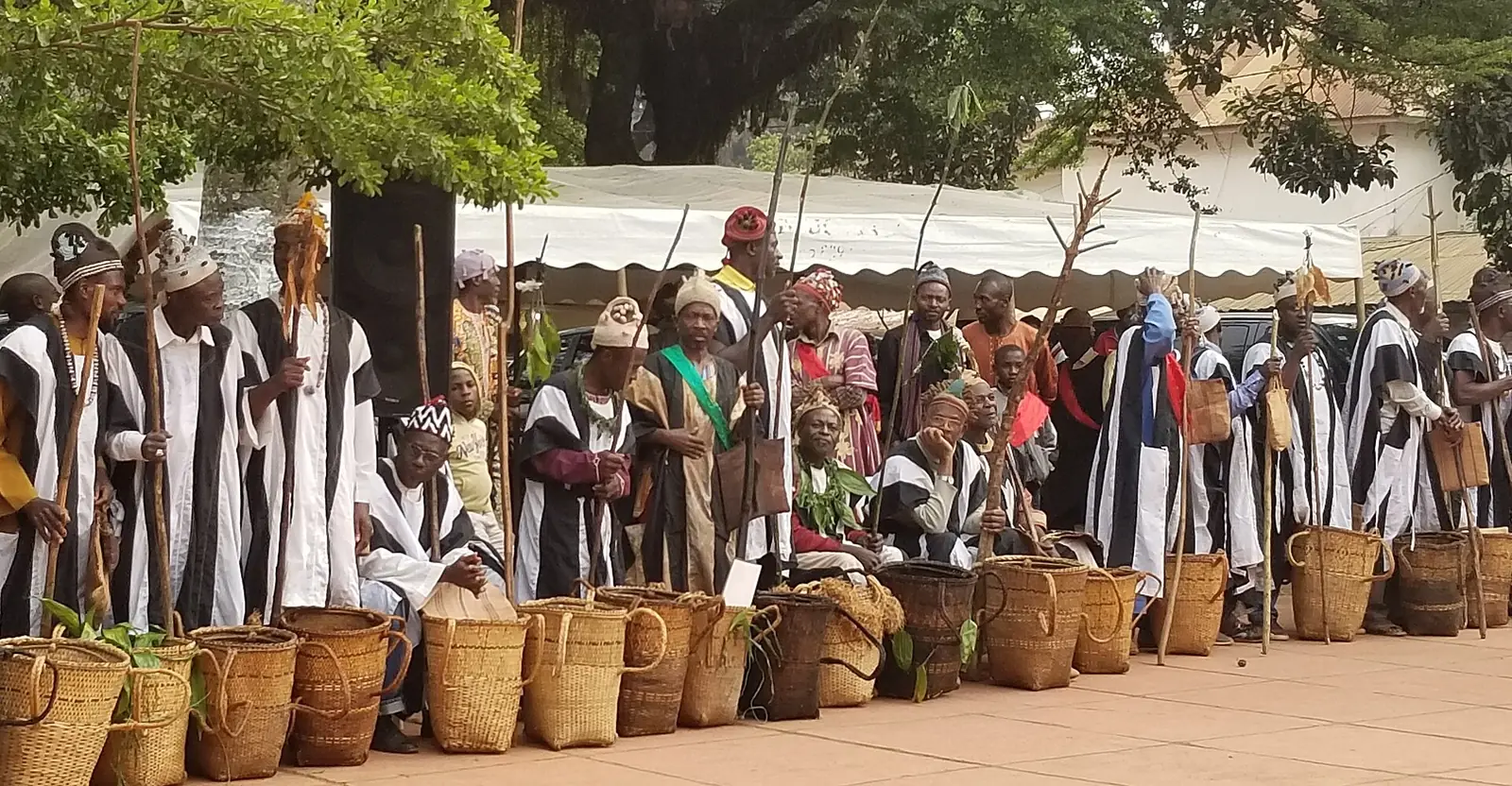
The Nguon, a set of Bamoun rituals in which ritual chiefs publicly review the monarch's rule, joined UNESCO's Representative List in 2023. UNESCO describes it as held every two years in early December. Colonial authorities suspended it in 1923 and it was revived in 1992; an edition was announced for 29 November to 8 December 2024. Bamiléké festivals vary by group and mostly fall in the dry season or mark funerals and the birth of twins.1,5,6,22
Beadwork is a defining Bamiléké art, and beaded masks, including elephant masks, are worn at funerals and royal ceremonies. Maize is the main staple, grown with cocoyams, plantains, beans and groundnuts. The dish known as achu in the North-West is called taro in the West, according to Wikipedia, which gives no citation for this.1,7,16
Getting there and around
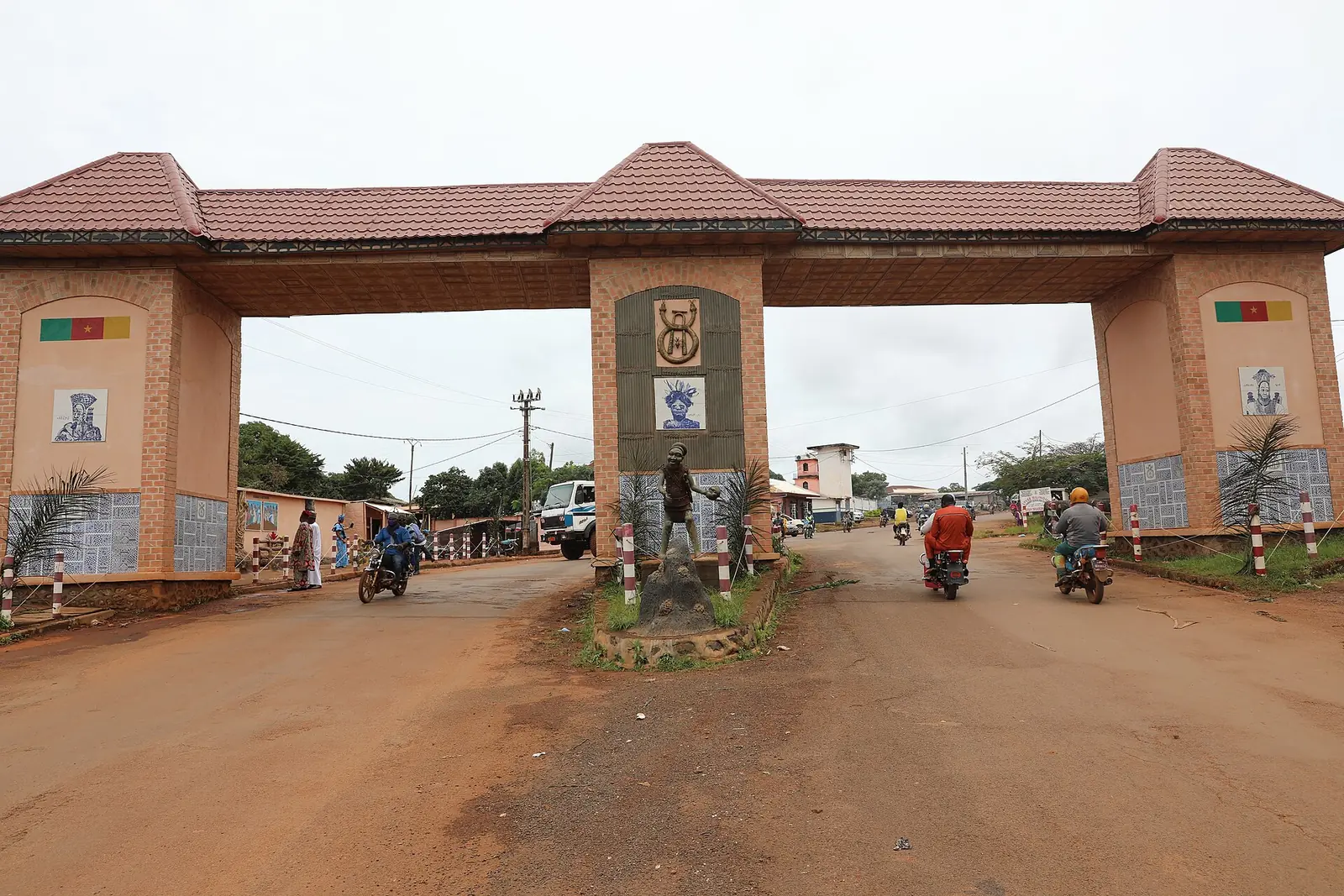
Bafoussam, at about 1,500 m, sits where roads from Douala, Yaoundé, Bamenda and Foumban meet. National Road 4 runs to Yaoundé, and National Road 6 links the North-West through Mbouda and Foumban towards Banyo. The route planner Rome2Rio gives about 251 km by road from Douala and about 292 km from Yaoundé.1,17,20,21,23
Bafoussam-Bamougoum airport reopened to commercial flights on 14 October 2016 after 14 years, with Camair-Co flying to Douala and Yaoundé three days a week at that time. Other listings differ: Wikipedia shows Camair-Co to Douala only, and Rome2Rio, undated, shows Friday and Sunday flights. For rail, Wikivoyage lists Camrail's routes as Yaoundé to Douala and Yaoundé to Ngaoundéré, and neither crosses the West.1,18,19,20,24
In pictures
Map
Still to confirm
Our sources can't yet confirm these points:
- An official population figure after the 2005 census
- Current Camair-Co days and routes to Bafoussam
- Dates of the 2026 Nguon; no official announcement was found
- Which height is right for Mount Bamboutos (2,679 m or about 2,740 m)
- The Djuttitsa plantation's region and current output
Sources for this page
Information checked on 6 November 2026. It may have changed since.
- West Region (Cameroon), Wikipedia (undated)
- Cameroon: administrative division (census counts by division, citing BUCREP and INS), City Population (Census of 11 November 2005)
- Géographie, Histoire, Conseil régional de l'Ouest (undated)
- Bambouto massif, Wikipedia (undated)
- Nguon, rituals of governance and associated expressions in the Bamoun community, UNESCO Intangible Cultural Heritage (Inscribed 2023)
- Bamum people, Wikipedia (undated)
- Bamileke people, Wikipedia (undated)
- Cameroon opens museum honoring oldest sub-Saharan kingdom, Voice of America (14 April 2024)
- Ibrahim Njoya, Wikipedia (undated)
- Foumban, Wikipedia (undated)
- Lac Baleng, Wikipédia (undated)
- Chefferie de Bandjoun, Wikipédia (undated)
- Musée des civilisations de Dschang, Wikipédia (undated)
- Bapa, Wikipédia (undated)
- Dschang, Wikipedia (undated)
- Cameroonian cuisine, Wikipedia (undated)
- Bafoussam, Wikivoyage (Listings marked updated 2017 to 2023)
- Cameroon, Wikivoyage (undated)
- Cameroon: Bafoussam-Bamougoum airport reopens for commercial flights, 14 years after closure, Business in Cameroon (18 October 2016)
- Douala to Bafoussam, Rome2Rio (route planner) (undated)
- Yaoundé to Bafoussam, Rome2Rio (route planner) (undated)
- Cameroon: Nguon next edition scheduled from November 29 to December 08, 2024, Journal du Cameroun (19 December 2023)
- Bafoussam, Wikipedia (undated)
- Bafoussam Airport, Wikipedia (Edited 2026-07-06; runway data from 2006)
- Bafang, Wikipédia (undated)
- Local tea market facing unregulated competition, Business in Cameroon (10 July 2014)