A chiefdom among the rocks
Bapa is a chiefdom in the commune of Bangou, in the Hauts-Plateaux department of the West Region, with 2,518 people at the 2005 census. Its landscape is mostly rock and caves on a hilly volcanic base. Tradition holds that a hunter called Fé Tchouanmegne, who came from Bamendou, founded it in the 17th century. One account of the name says it refers to a people who watch the horizon for intruders, and another gives 'a flattering people'.1,2,3
A 2018 press account says the Bapa once held a larger territory but were driven out by a coalition of neighbours. They took refuge in the Bandja kingdom, where King Fankembou died, and later came back to settle on the rocky land others had left. The current king, Simeu David II, has reigned since 1993. Sources don't agree on the length of the dynasty: that account calls him the eleventh king, while French Wikipedia lists fifteen rulers starting in 1708.1,2,3
The heritage house
The Bapa heritage house, a community museum, opened on 3 March 2018 at the close of the first Pa'a Ngouo'ok festival ('village of rocks'), held from 24 February. The festival celebrated the people's return from exile, with a caravan bringing back King Fankembou's remains. The museum's theme is 'Man, nature and beliefs'. It belongs to the Route des Chefferies network and was built with CIPCRE, paid for by the people of Bapa with World Bank programme support, according to the 2018 account.2,3
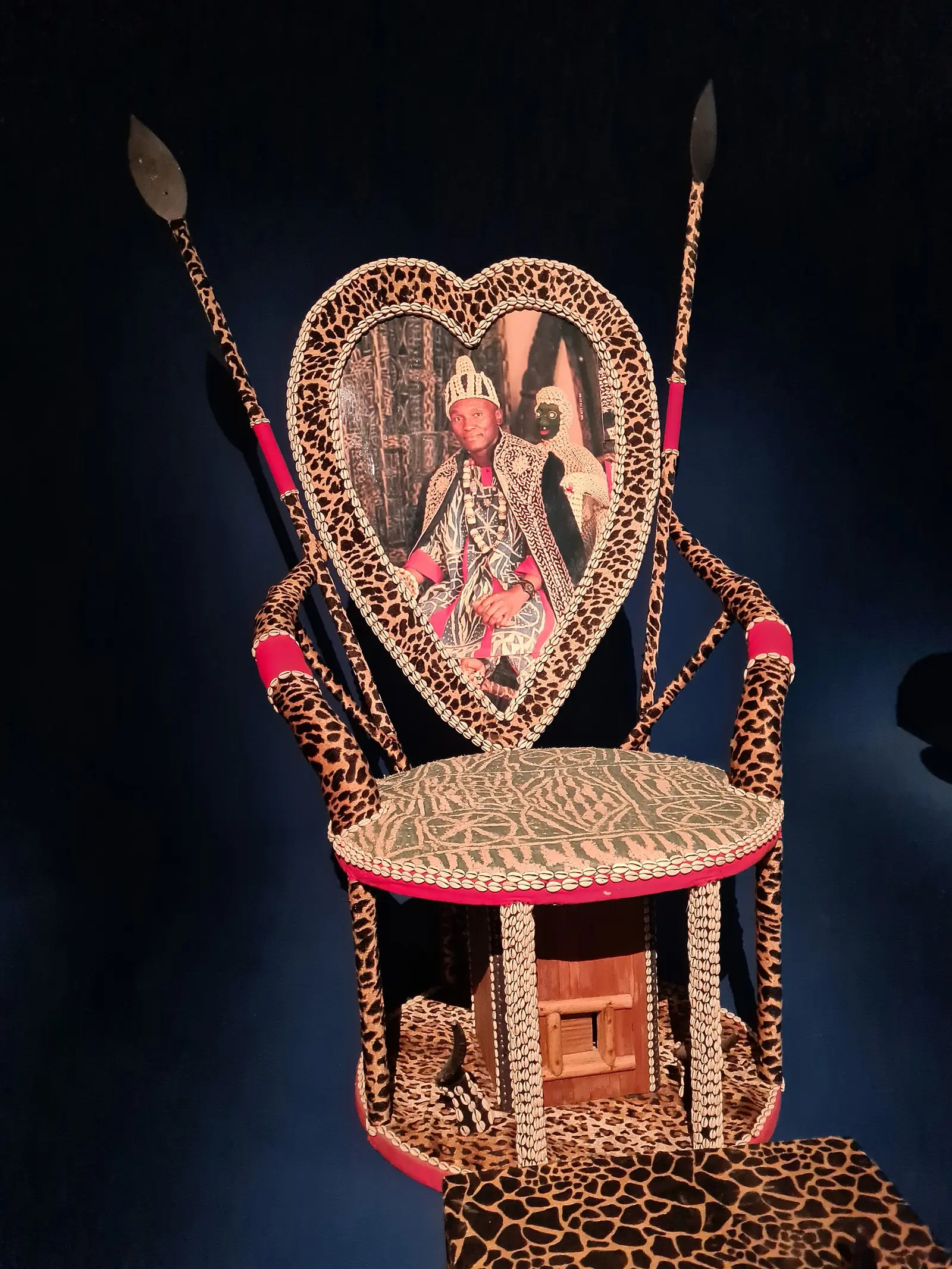
French Wikipedia says the collection holds more than 500 objects, over half of them wood, such as masks, a throne and stools, along with pottery, calabashes and textiles. The building uses local materials: earth bricks, bamboo, raffia and eucalyptus. Citing a 2024 internship report, it lists fees of 2,000 FCFA for adults, 3,000 FCFA for foreign visitors, 1,000 FCFA for Cameroonian students and 500 FCFA for local children. Opening hours are 9:00 to 17:00 from Tuesday to Friday and 8:00 to 17:00 at weekends.1
Customs and landscape
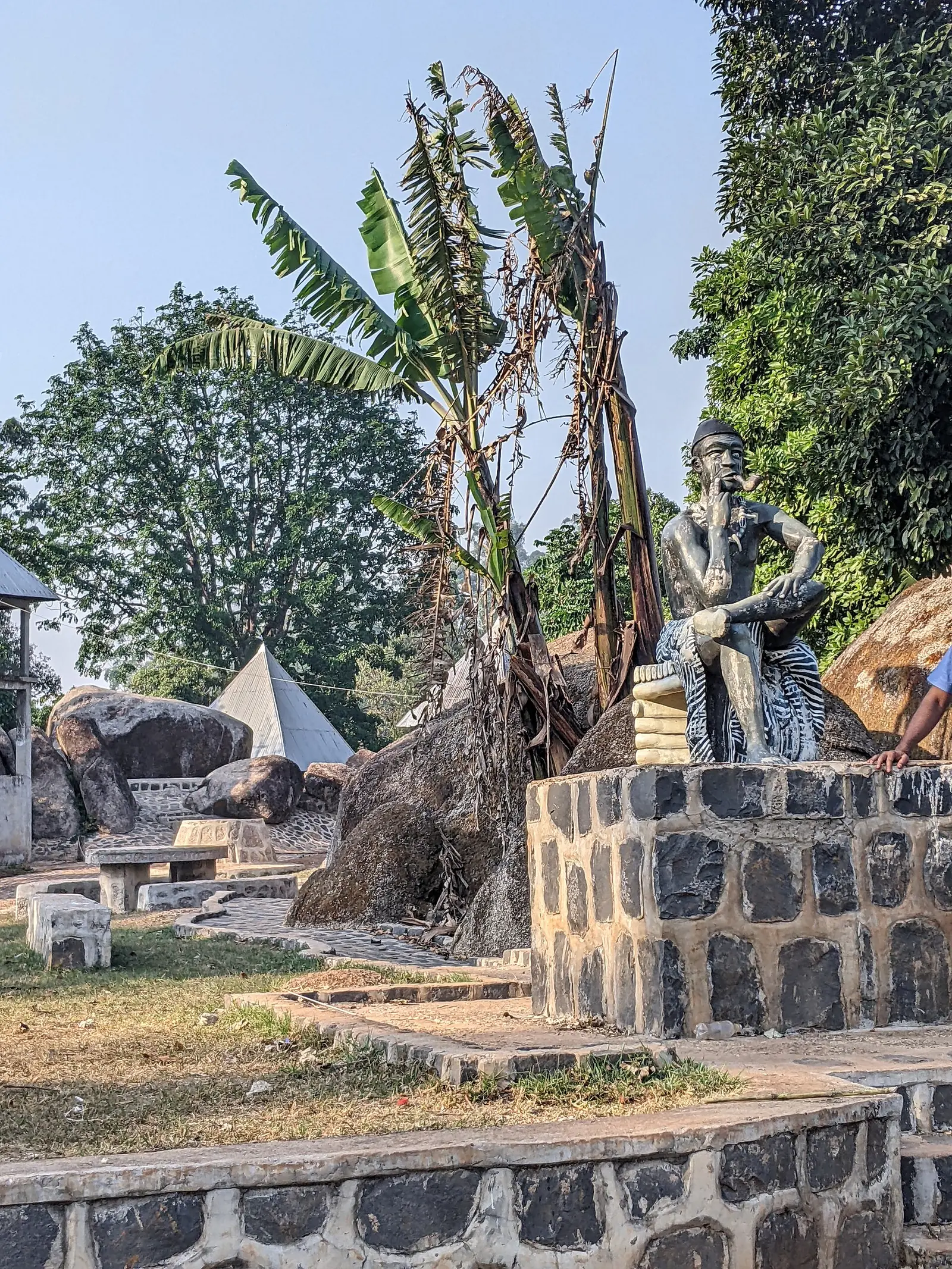
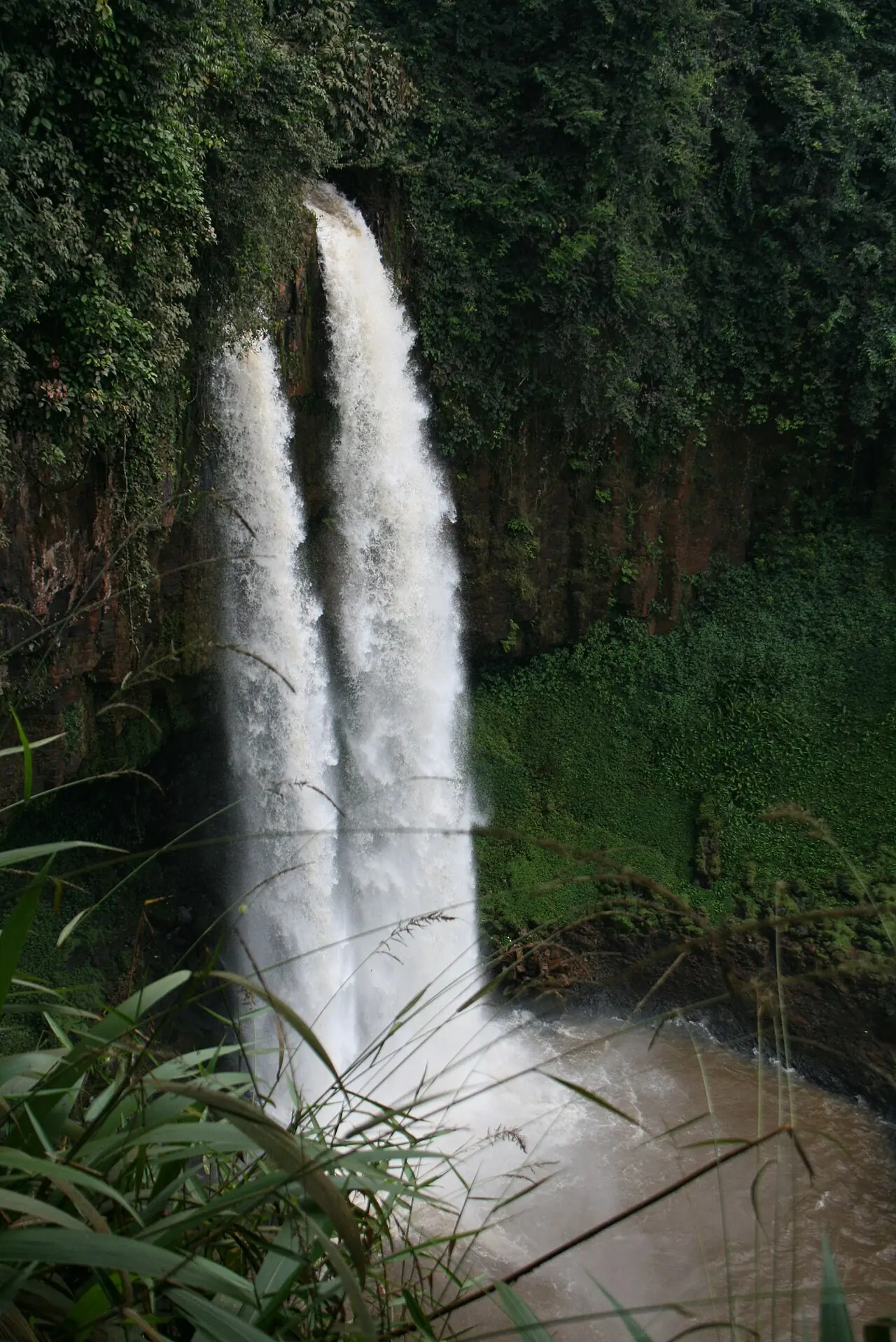
French Wikipedia describes the kang dance, a biennial initiation for young boys run by the nyi society from mid-June to mid-August. Local artists make mask-hoods for customary societies such as the koungang. It also lists rock sites, including the Beugong rocks, a cliff over 100 m high called Loung gwou, a tunnel of more than 300 m and a sacred waterfall, the Tchui, said to be 80 m high. We found no second source for these.1
In pictures
Map
What visitors say
We summarise accounts published elsewhere and link to the original. These aren't reviews collected by this site, and we don't show a rating.
We haven't yet found a published visitor account for this place.
Check before you go
Our sources can't yet confirm these points:
- Current museum fees and hours (French Wikipedia's figures come from a 2024 internship report)
- A working contact for the heritage house (the bapa.cm site did not resolve on 2026-11-09)
- Whether the Pa'a Ngouo'ok festival has been held again since 2018, and when
- Whether visitors may attend the kang dance or visit the Tchui waterfall and rock sites
- Road access from Bangou and Bafoussam
Also nearby
Sources for this page
Information checked on 9 November 2026. It may have changed since.
- Bapa, Wikipédia (undated)
- Le musée Case patrimoniale de Bapa inauguré sous le thème « Homme, Nature et Croyances », CERDOTOLA (6 March 2018)
- Cameroun - Festival Bapa : l'histoire d'un peuple de combattants (Yannick Ebosse), Camer.be (24 February 2018)
Enquire about Bapa Chiefdom
Visit Bapa Chiefdom
Plan your trip to Bapa Chiefdom in the West Region. Send us an enquiry about guided tours, accommodation and transport, and we'll reply by email.
Send an enquiryWest Region
Capital: Bafoussam
A highland region of plateaus, crater lakes and chiefdoms, home mainly to the Bamiléké and the Bamoun, with Bafoussam as its capital. Foumban's palace, museums and artisans and the Nguon rituals are among its best-known features.
More places in the West Region
Foumban Royal Palace
Completed in 1917 under King Ibrahim Njoya, this is the seat of the Bamoun kingdom and home of the reigning king. Since April 2024 a large new Museum of the Bamoun Kings has stood nearby.
Rue des Artisans, Foumban
Foumban's Rue des Artisans, between the town's two museums, is home to carvers, weavers and embroiderers, while bronze casters work in the Tanchoua valley just below the Artisanat quarter.
Lake Baleng
A crater lake ringed by hills and eucalyptus on the edge of Bafoussam, sacred to the Baleng people and on Cameroon's national heritage list since 2020.
Bandjoun Chiefdom
The seat of the Bandjoun chiefdom, known for a great hut about 17 m high, rebuilt after a fire in 2005. It also has a museum of nearly 400 objects on forge, art and power.