- Built
- After independence; exact year not confirmed1
- Built by
- Prince Dika Akwa Nya Bonambela (1933–1995)1
- Ngondo seat
- 2003 to 20232
A prince's palace in Akwa
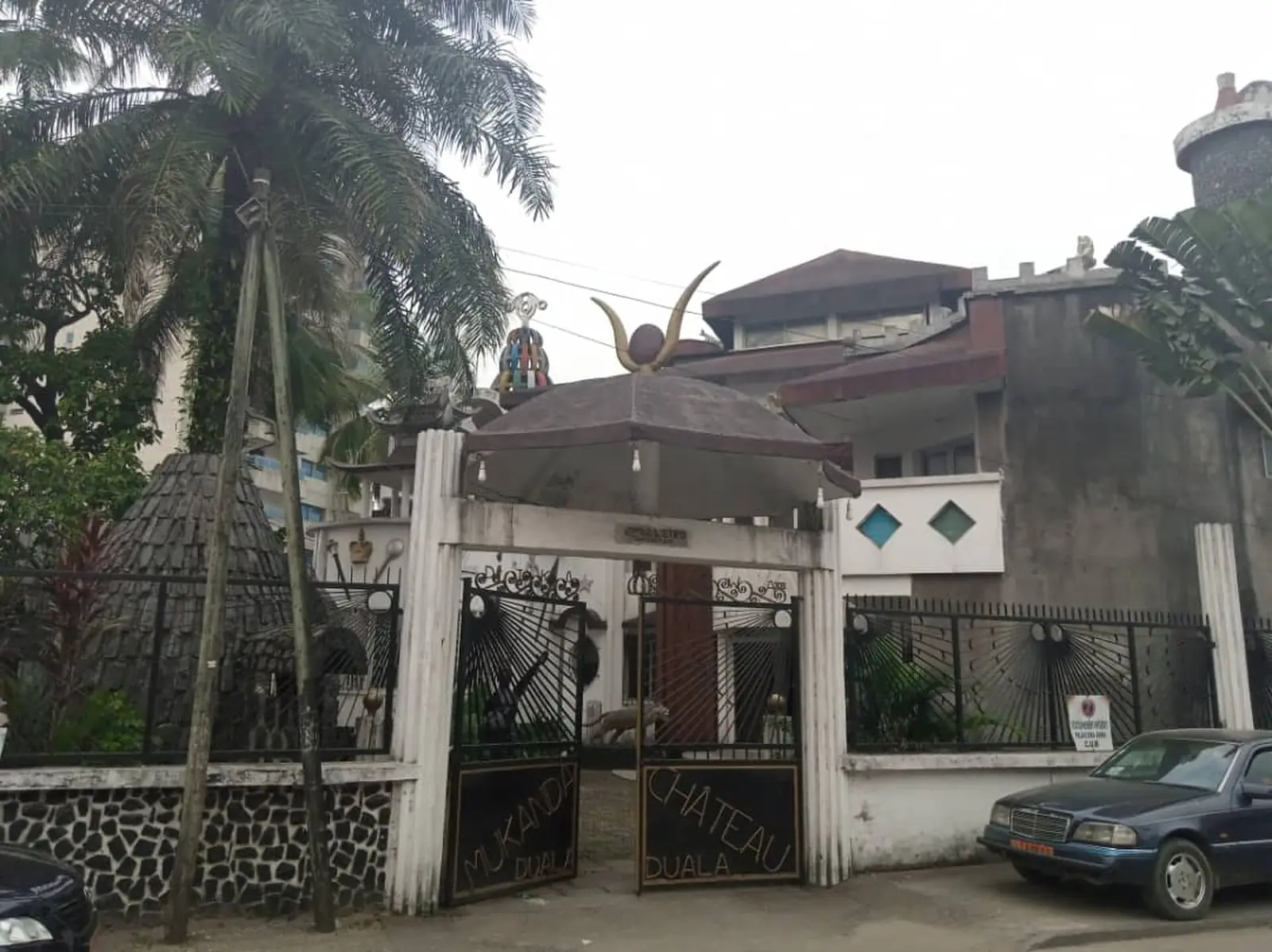
The Dika Akwa palace is a large white building on boulevard de la République, in the Akwa area of Douala I. In Duala it is called Mukanda. It was built after Cameroon's independence by Prince Dika Akwa Nya Bonambela (1933–1995), described by StopBlaBlaCam as an anthropologist, lawyer, Egyptologist and politician. English Wikivoyage calls it the former estate of the anthropologist, showing elements of Sawa architecture and culture. We found no source that gives the year of construction or names an architect.1,3
The regional tourism delegation lists the palace among the main tourist sites of the Littoral region, in a table published by the national statistics institute in its 2023 edition of Le Littoral en chiffres.4
The palace and the Ngondo
For twenty years the palace was the seat of the Ngondo, the traditional assembly of the Sawa peoples: Osidimbea dates this from 2003 to 2023. The Ngondo has since moved to the Palais de la culture Sawa (Mukanda mwa Ngondo), in the Bessèkè valley. Osidimbea gives two dates for the move, an inauguration in 2023 and an official handover of the keys on 5 March 2025, and leaves the question open.2
StopBlaBlaCam, writing in November 2017, called it one of Douala's mythical buildings. That month a video circulated claiming the palace had burnt down; the fact-checking site found it was still standing, and that the video showed a car that had caught fire nearby.1
Visiting
Map
What visitors say
We summarise accounts published elsewhere and link to the original. These aren't reviews collected by this site, and we don't show a rating.
We haven't yet found a published visitor account for this place.
Check before you go
Our sources can't yet confirm these points:
- The year the palace was built (one search result gives 1990, which we could not check)
- Who owns and occupies the palace today, and what it is used for since the Ngondo left
- Whether any part of it can be visited, and on what terms
- The architect, and what in the building reflects Sawa architecture
- Whether the Ngondo moved out in 2023 or in 2025
Also nearby
Sources for this page
Information checked on 18 November 2026. It may have changed since.
- Has Dika Akwa palace burnt down?, Monique Ngo Mayag, StopBlaBlaCam (20 November 2017)
- Ngondo, assemblée traditionnelle du peuple sawa, Osidimbea, la mémoire du Cameroun (undated)
- Douala (listing: Palais Dika Akwa, updated March 2022), Wikivoyage (English) (24 October 2026)
- Le Littoral en chiffres, édition 2023: Tableau 5-1, main tourist sites in the region (source DRTOUR LT), Institut national de la statistique, Agence régionale du Littoral (undated)
- Reverse lookup of the palace's coordinates, made by us on 18 November 2026, OpenStreetMap contributors / Nominatim (18 November 2026)
Enquire about Dika Akwa palace
Visit Dika Akwa palace
Plan your trip to Dika Akwa palace in the Littoral Region. Send us an enquiry about guided tours, accommodation and transport, and we'll reply by email.
Send an enquiryLittoral Region
Capital: Douala
Cameroon's economic centre, around the port city of Douala and the Wouri Estuary, with Sawa and Bassa heritage, the Ngondo festival and the Sanaga River at Edéa.
More places in the Littoral Region
Douala Maritime Museum
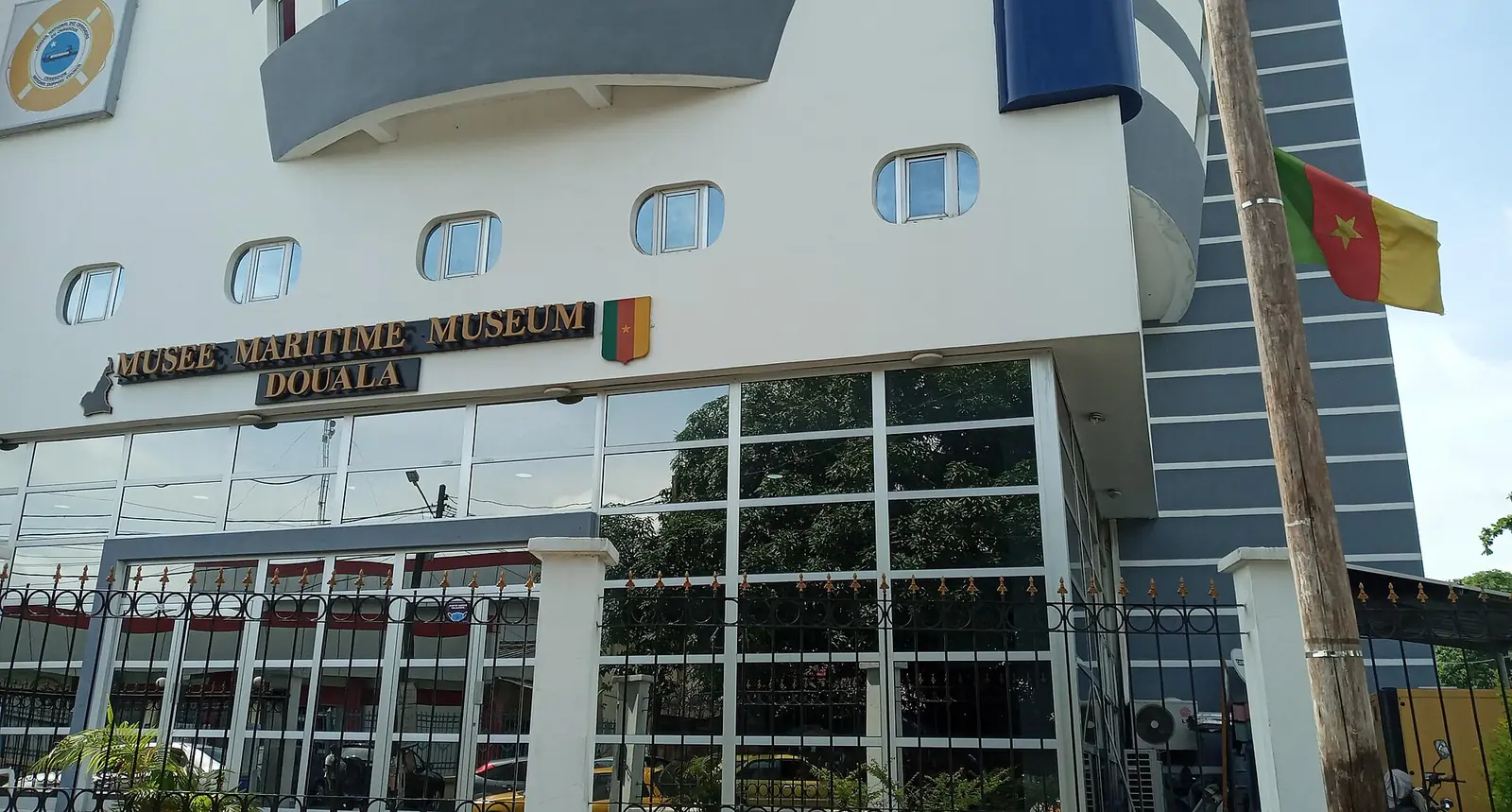
A ship-shaped museum in Douala's Bonanjo district on Cameroon's coast, ports and ships, with a recreated ship's bridge and a navigation simulator.
La Pagode (Palace of King Bell)
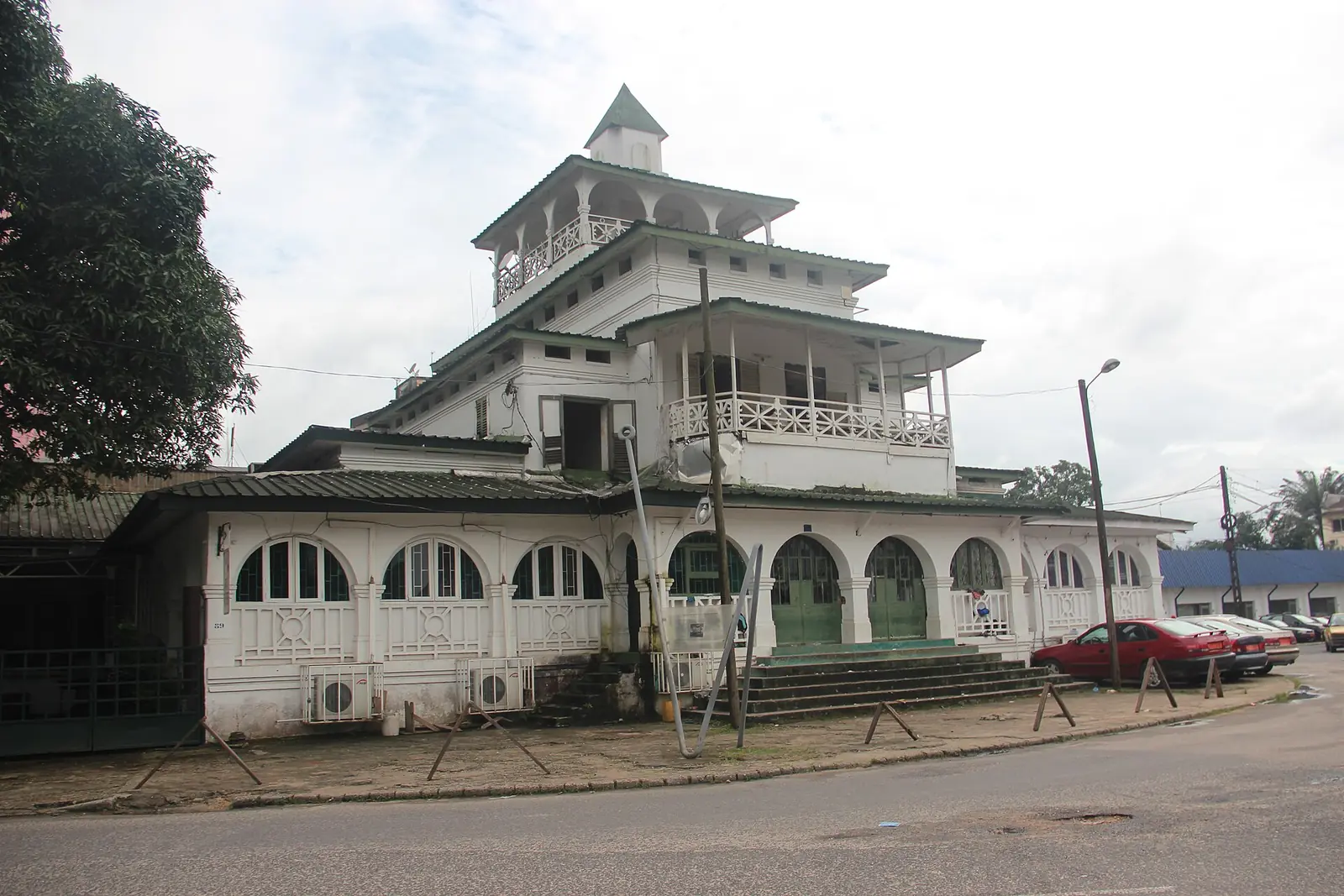
The former palace of the Bell kings in Bonanjo, Douala, built in 1905 and still owned by the Bell family. It was home to Rudolf Duala Manga Bell, hanged by the German authorities in 1914.
Ekom-Nkam Waterfalls
A waterfall of about 80 m on the Nkam river near Melong, set in forest and used as a filming location for Greystoke (1984). A second fall runs beside it in the rainy season.
Wouri Estuary
The tidal estuary where the Wouri, Mungo and Dibamba meet the Atlantic at Douala, lined with mangroves and fishing villages, and the source of Cameroon's name.