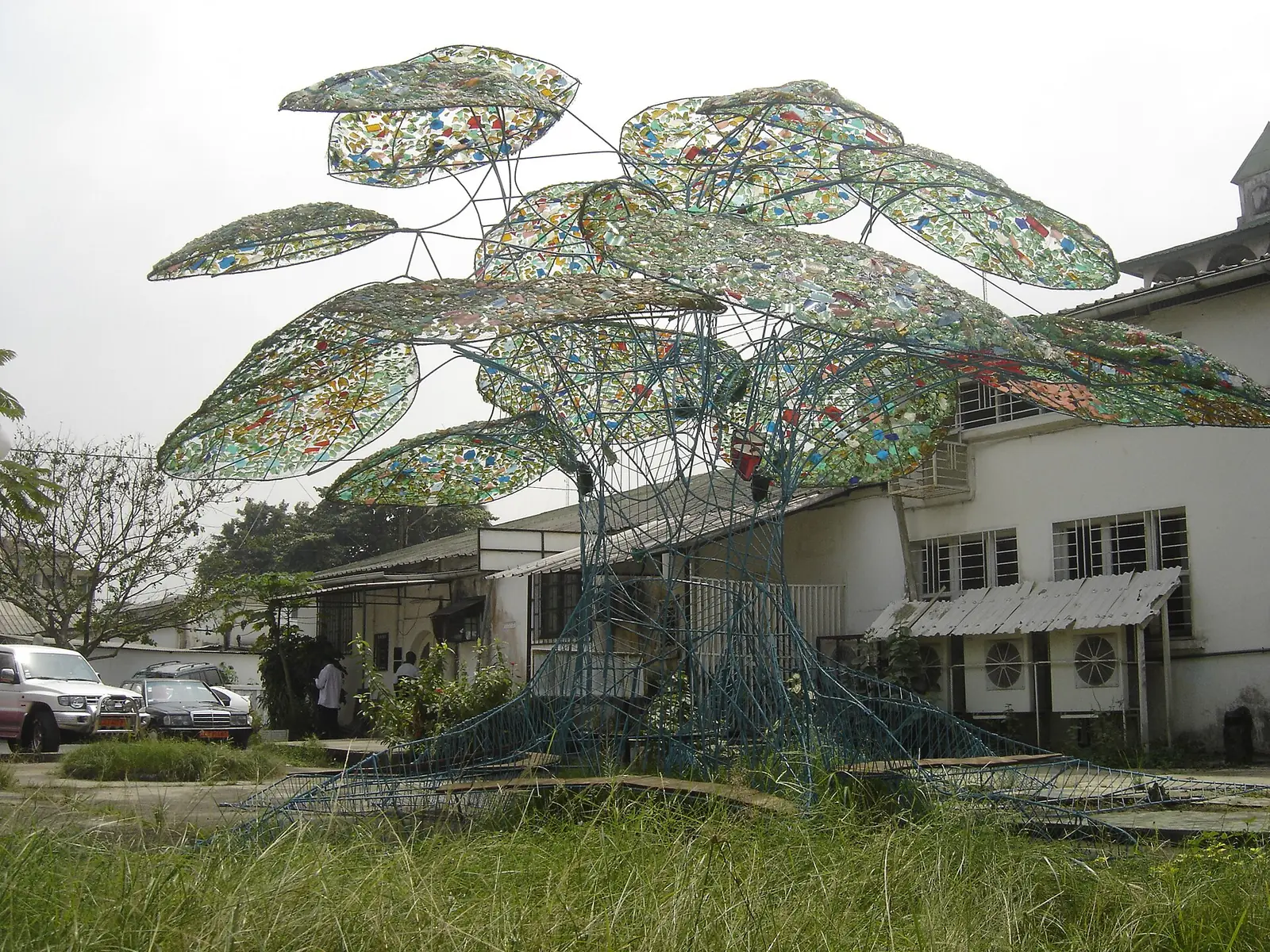
A palaver tree in metal and glass
The French artist Frédéric Keiff's palaver tree has a trunk and branches of painted reinforcing bars and leaves of coloured glass and plastic fragments. doual'art gives a height of over 5 m and a canopy of 7 m; French Wikipedia's list gives 5.1 m. Wide wooden planks set into the trunk serve as benches.1,3
Traditionally, doual'art explains, a village chief and his notables sit together under the palaver tree to take the community's most important political and social decisions, and it is there that traditional values were handed down by word of mouth.1
Why it stands in Bonanjo
The work was first meant to replace the palaver tree of Bonambappe, a huge baobab in Bonabéri that fell in 1993. After a long discussion, the village chief and notables refused to let a foreign artist set it on the stump of the old tree, a site that had become a public dump. Prince René Douala Manga Bell, paramount chief of the Bell canton, liked the project and offered one of his properties in Bonanjo instead. The tree was inaugurated at the first SUD, from 9 to 16 December 2007, and officially given to the city.1,2,4
The Institute for Public Art's case study adds that Keiff hired and trained unemployed young men from Douala to build it, giving them certificates, and that local recyclers supplied the iron, glass and plastic. Its description of the canopy, as recycled plastic stitched together like a quilt, differs from doual'art's.7
The garden and its neighbours
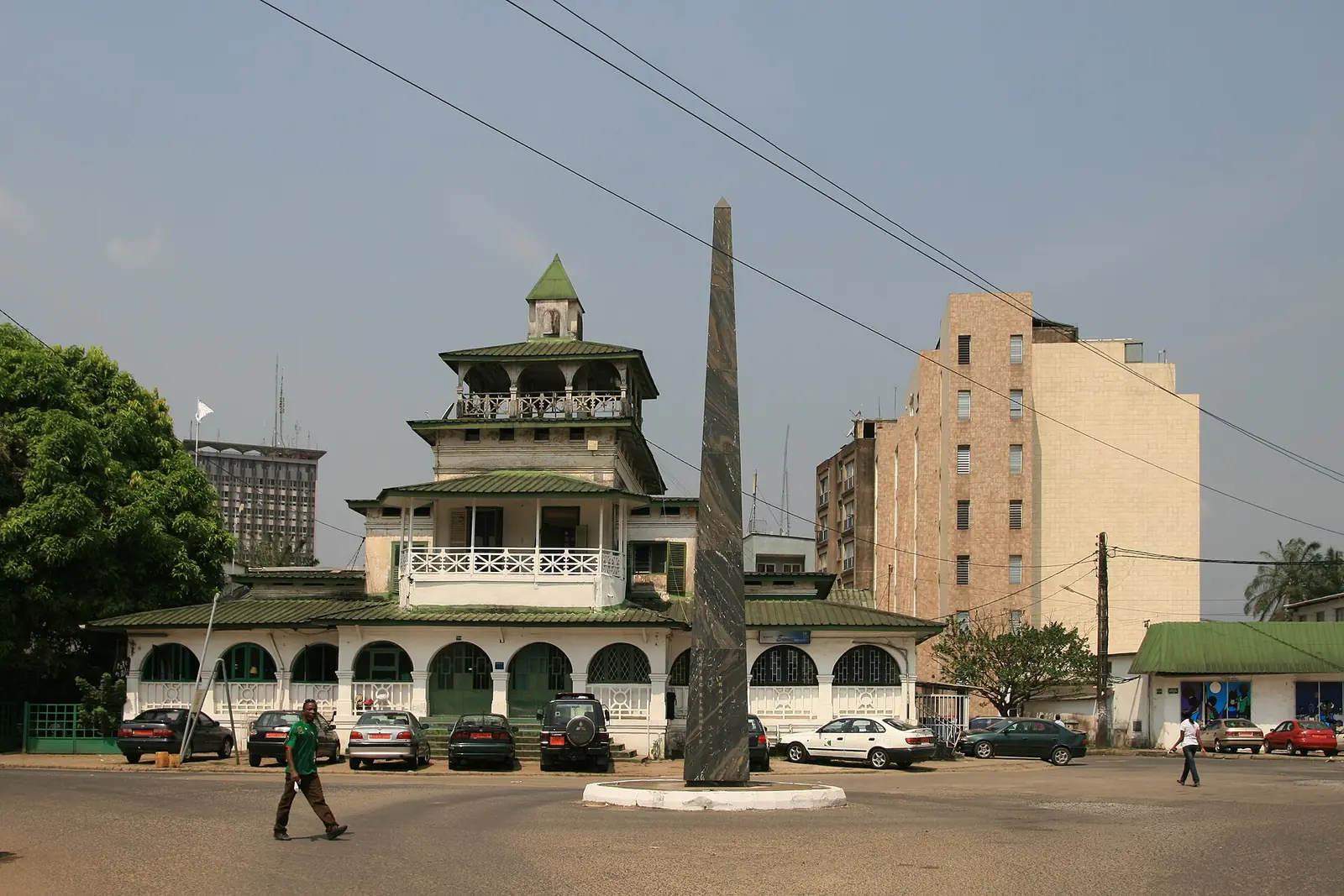
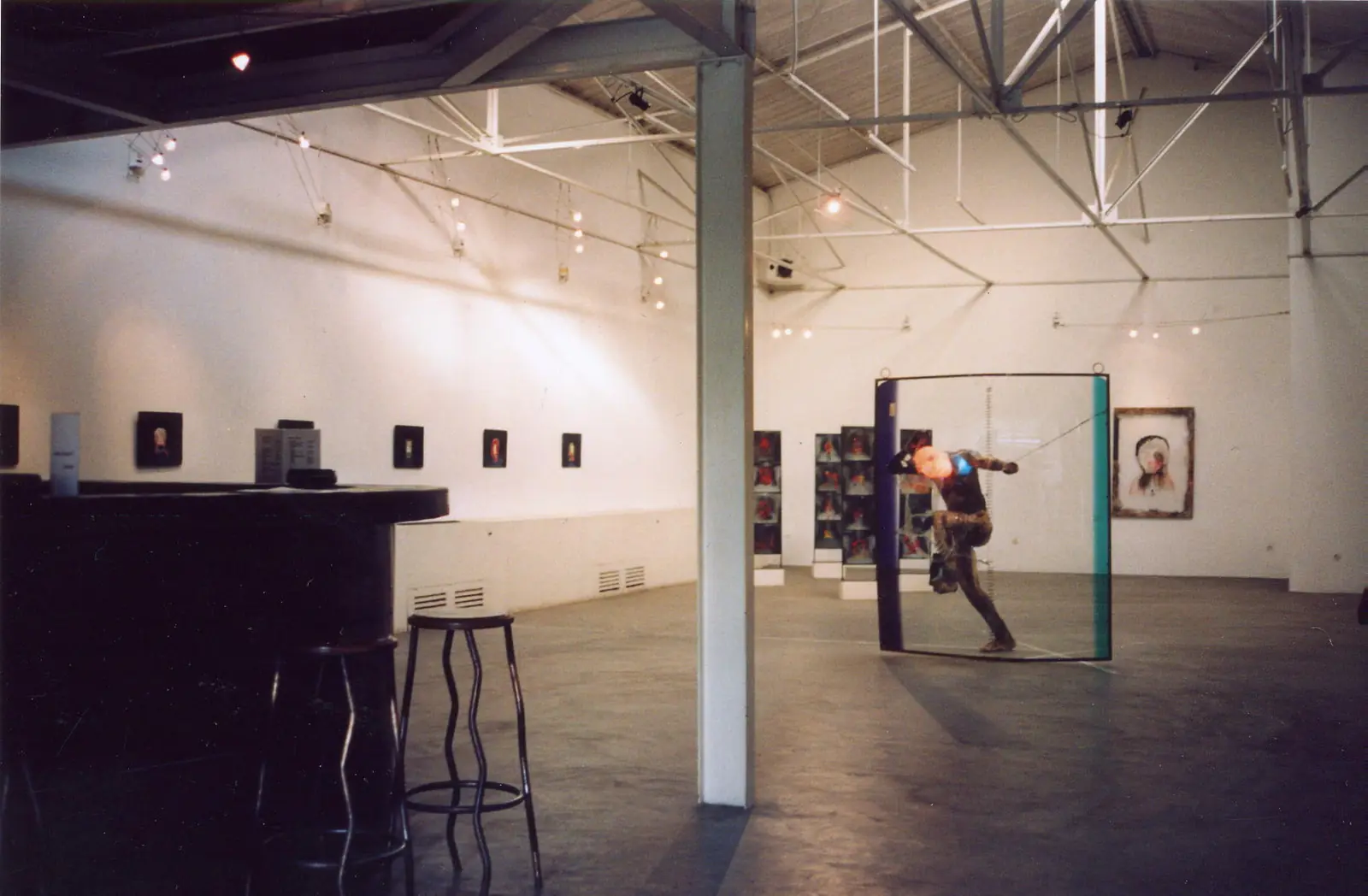
The garden belongs to the Bell family, but the work itself is in the public domain and the space is open to the public. doual'art lists three historic neighbours: to the north, the Bell kings' tomb, where René Douala Manga Bell is now buried; to the south, the Espace doual'art, from which La Pagode, the Bell kings' former palace, is clearly visible; and to the west, the court of appeal, which Pucciarelli calls the old law courts. Pucciarelli gives the address as rue de la Motte-Piquet, and OpenStreetMap places its coordinates on the same street.1,5,8
Is it still there?
The most recent dated sources we found are from 2013 and 2014. doual'art's appeal of November 2013 listed a full clean and repairs to the benches; French Wikipedia says the tree was restored in 2013 through crowdfunding. Pucciarelli's 2014 inventory describes it in place, and the Institute for Public Art says it was still enjoyed in 2014. We found no later report, so its present state needs checking.6,2,5,7
Map
What visitors say
We summarise accounts published elsewhere and link to the original. These aren't reviews collected by this site, and we don't show a rating.
We haven't yet found a published visitor account for this place.
Check before you go
Our sources can't yet confirm these points:
- Its current condition, and whether the benches are still usable
- Whether the Bell family garden is open at set times or at all hours
- Whether the canopy is glass and plastic (doual'art) or stitched recycled plastic (Institute for Public Art)
Also nearby
Sources for this page
Information checked on 18 November 2026. It may have changed since.
- L'Arbre à Palabres, doual'art (undated)
- Arbre à palabres (Bonambappe), Wikipedia (French) (1 January 2026)
- Liste des œuvres publiques de Douala, Wikipedia (French) (15 September 2026)
- Festival SUD 2007, doual'art (undated)
- Douala Final Report (Mobile A2K, Culture and Safety in Africa), 2014, with fieldwork from December 2012 to January 2013, Marta Pucciarelli, SUPSI Laboratory of visual culture (archived copy) (undated)
- Douala Métamorphoses : patrimoine en péril !, doual'art, crowdfunding appeal on KissKissBankBank (closed 29 November 2013) (29 November 2013)
- Palaver Tree (case study by Helen Lessick), Institute for Public Art (undated)
- Reverse address lookup of the artwork's coordinates, made by us on 18 November 2026, OpenStreetMap Nominatim (undated)
Enquire about Palaver Tree of Bonambappe
Visit Palaver Tree of Bonambappe
Plan your trip to Palaver Tree of Bonambappe in the Littoral Region. Send us an enquiry about guided tours, accommodation and transport, and we'll reply by email.
Send an enquiryLittoral Region
Capital: Douala
Cameroon's economic centre, around the port city of Douala and the Wouri Estuary, with Sawa and Bassa heritage, the Ngondo festival and the Sanaga River at Edéa.
More places in the Littoral Region
Douala Maritime Museum
A ship-shaped museum in Douala's Bonanjo district on Cameroon's coast, ports and ships, with a recreated ship's bridge and a navigation simulator.
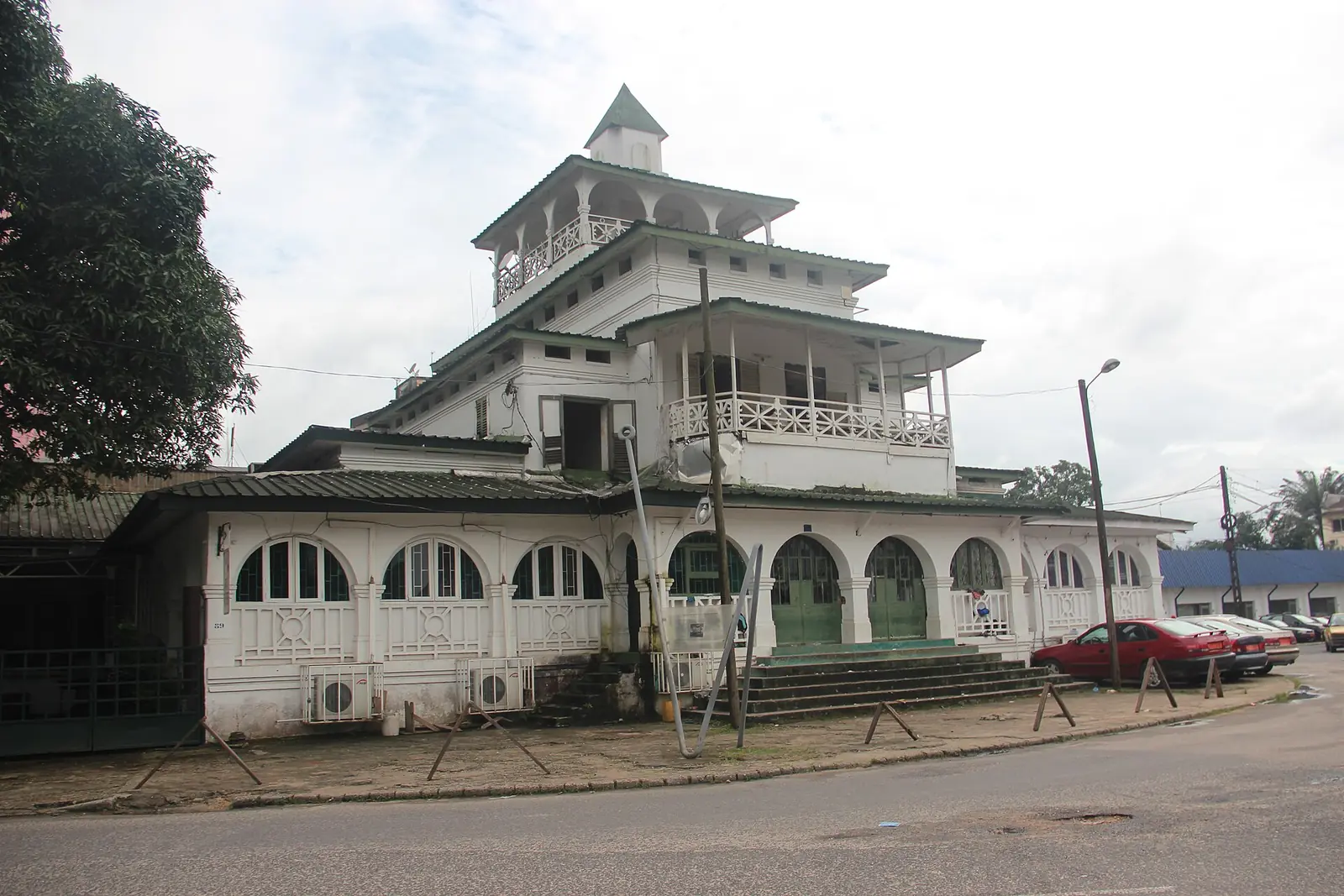
La Pagode (Palace of King Bell)
The former palace of the Bell kings in Bonanjo, Douala, built in 1905 and still owned by the Bell family. It was home to Rudolf Duala Manga Bell, hanged by the German authorities in 1914.
Ekom-Nkam Waterfalls
A waterfall of about 80 m on the Nkam river near Melong, set in forest and used as a filming location for Greystoke (1984). A second fall runs beside it in the rainy season.
Wouri Estuary
The tidal estuary where the Wouri, Mungo and Dibamba meet the Atlantic at Douala, lined with mangroves and fishing villages, and the source of Cameroon's name.