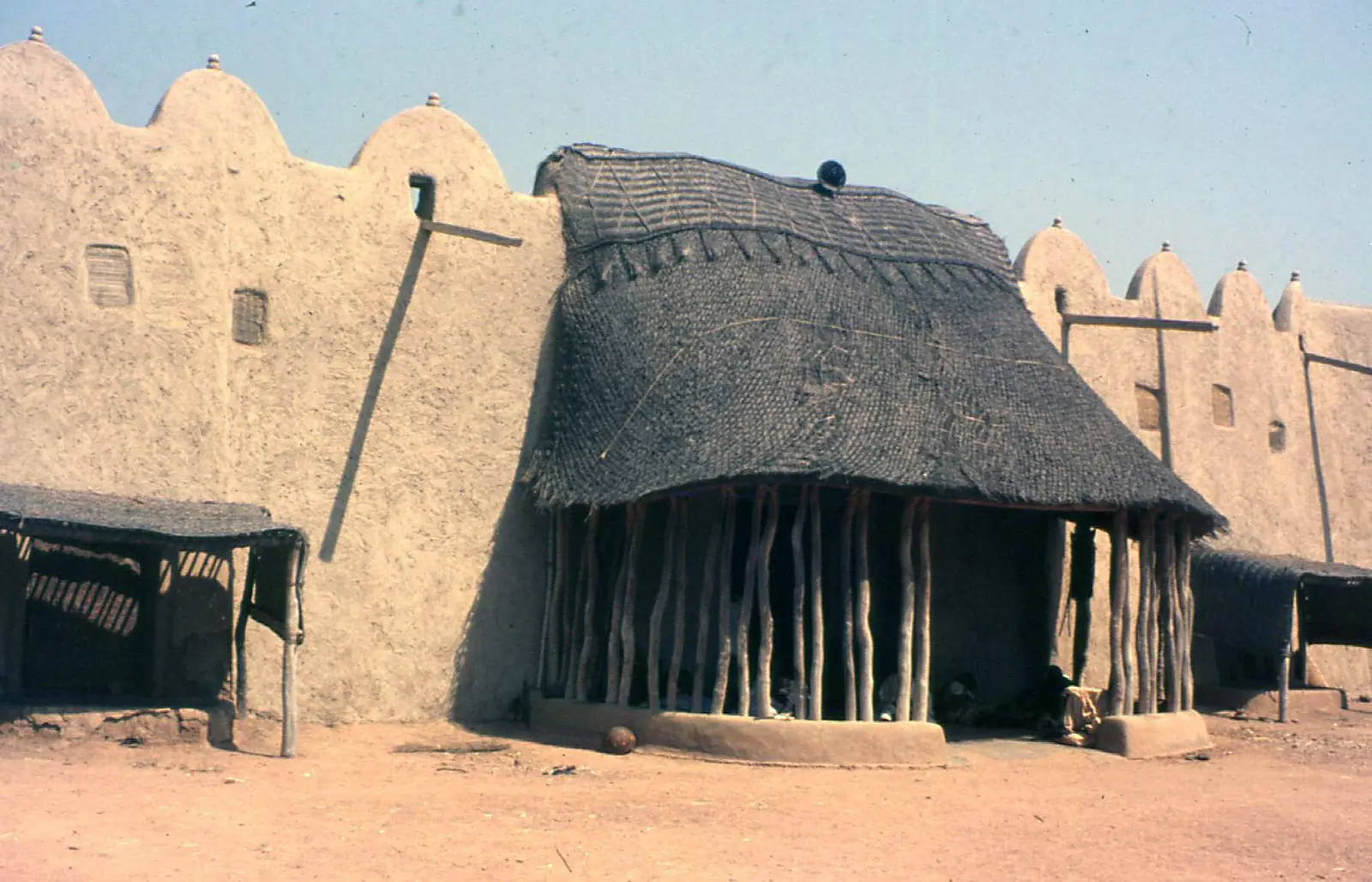
A working palace
This walled palace is the seat of the Lamidat of Rey Bouba, a Fulani state in Cameroon's North Region. It's still in use, and UNESCO's tentative-list entry describes it as a living place of memory and identity. Cameroon submitted that entry on 2 February 2018. Wikipedia gives 18 April 2006, citing an earlier UNESCO reference number that we couldn't read. Being on this list isn't the same as being a World Heritage site.1,3
History
A 2026 study by a University of Ngaoundéré historian says Ardo Bouba Ndjidda founded the lamidat in 1798, and that it spread over about 36,000 km². A Dutch travel company gives 1804 instead. The state was a vassal of the Yola Emirate, itself under the Sokoto Caliphate. The palace was built under Ndjidda's reign, between 1805 and 1808.1,2,4,7
UNESCO's entry credits the Fulani with the art of the enclosure, calls the palace a living record of the skills of Doui or Dii craftsmen, and sees it as a product of exchange between the two peoples. The study adds that the wall and ditch helped the rulers resist both tribute demands from Yola and attacks by their neighbours. It also quotes a German officer's account of entering the town by force during the colonial conquest.1,2
The wall and the palace
The great wall is the main feature. Sources agree on about 7 m in height and UNESCO gives 800 m in length, but its thickness at the base differs: 1.5 m in UNESCO's entry and nearly 3 m in the 2026 study. The Dutch travel company's 4 m height conflicts with both. The wall is made of beaten earth mixed with grass and animal dung, and it's surrounded by a ditch.1,2,7
Inside are courtyards, vegetable gardens and separate quarters for the Lamido, craft work, servants, staff, distinguished guests, livestock and food stores. UNESCO's entry says the wall and three-quarters of the quarters remain authentic, while the wives' and guests' quarters have been altered. Wikipedia adds a first enclosure of about 3 ha, where the Lamido lives, and six gates, although UNESCO mentions one central entrance on the south side.1,3
Visiting
Access is the main unknown, and this is not a museum with set hours. A Dutch travel company says foreign visitors are rarely admitted to the palace, and it mentions an open-air concert in the square in front on Thursdays at sunset. A tour operator's programme calls the lamidat long closed to Western travellers, yet it plans a visit and a meeting with local dignitaries in January 2027. A forum post by a hunting concession holder describes an escort, an invitation, removing your shoes and giving a small cash gift. The 2026 study sees the architecture, cavalry and museum objects as a tourism asset that remains undeveloped.2,6,7,8
How to get there
Garoua has an airport, and Wikivoyage lists flights there from Douala, Maroua and N'Djamena. We measured about 160 km by road from Garoua to Rey Bouba on OpenStreetMap data, but we found no report on the road's condition. The January 2027 tour flies from Douala to Garoua, sleeps at Lagdo and visits Rey Bouba as a day trip.6,9,10
The town
Map
What visitors say
We summarise accounts published elsewhere and link to the original. These aren't reviews collected by this site, and we don't show a rating.
Remembers end-of-Ramadan ceremonies in the 1960s, with riders in chain mail paying homage to the ruler. He says the palace walls looked unchanged in 2013, and that audiences can be arranged in advance through strict protocol.
camshaft, Accurate Reloading forum (holds a hunting concession in Cameroon), Undated thread, refers to 2013 and to the 1960s
Check before you go
Our sources can't yet confirm these points:
- Whether independent visitors can enter the palace, and who gives permission
- Any fee, customary gift, opening hours or photography rules
- A contact for the lamidat
- Road condition from Garoua or Tcholliré, by season
- Whether the Thursday concert still takes place
- Lodging in Rey Bouba itself
- The wall's thickness, and the founding date of the lamidat
Also nearby
Sources for this page
Information checked on 6 November 2026. It may have changed since.
- Le Lamidat de Rey-Bouba, liste indicative, réf. 6329, UNESCO World Heritage Centre, text submitted by Cameroon's Ministry of Arts and Culture (2 February 2018)
- Les Palais des souverains des Lamidats de Ngaoundéré et Rey-Bouba du Cameroun septentrional : entre résidences des souverains et sites touristiques, Pascal Greng, Université de Ngaoundéré, Revue Enclume d'Ivoire (2026-04)
- Palace of Rey Bouba, Wikipedia (20 October 2026)
- Rey Bouba, Wikipedia (undated)
- Rey-Bouba, Wikipédia (24 February 2026)
- Rey Bouba and the Western Kingdoms, 16 to 25 January 2027, Kanaga Africa Tours, tour operator programme (2027-01 departure)
- Rey Bouba, Untamed Travelling, travel company page (undated)
- Thread about the Lamido of Rey Bouba, Accurate Reloading, hunting forum (undated)
- Garoua, Wikivoyage (undated)
- Road route from Garoua to Rey Bouba, computed by us on 6 November 2026, OSRM, using OpenStreetMap data (6 November 2026)
Enquire about Palace of Rey Bouba
Visit Palace of Rey Bouba
Plan your trip to Palace of Rey Bouba in the North Region. Send us an enquiry about guided tours, accommodation and transport, and we'll reply by email.
Send an enquiryNorth Region
Capital: Garoua
A savanna region built around the Bénoué River, with Garoua as its capital, Fulbe lamidates such as Rey Bouba, and the Bénoué, Faro and Bouba Ndjida national parks.
More places in the North Region
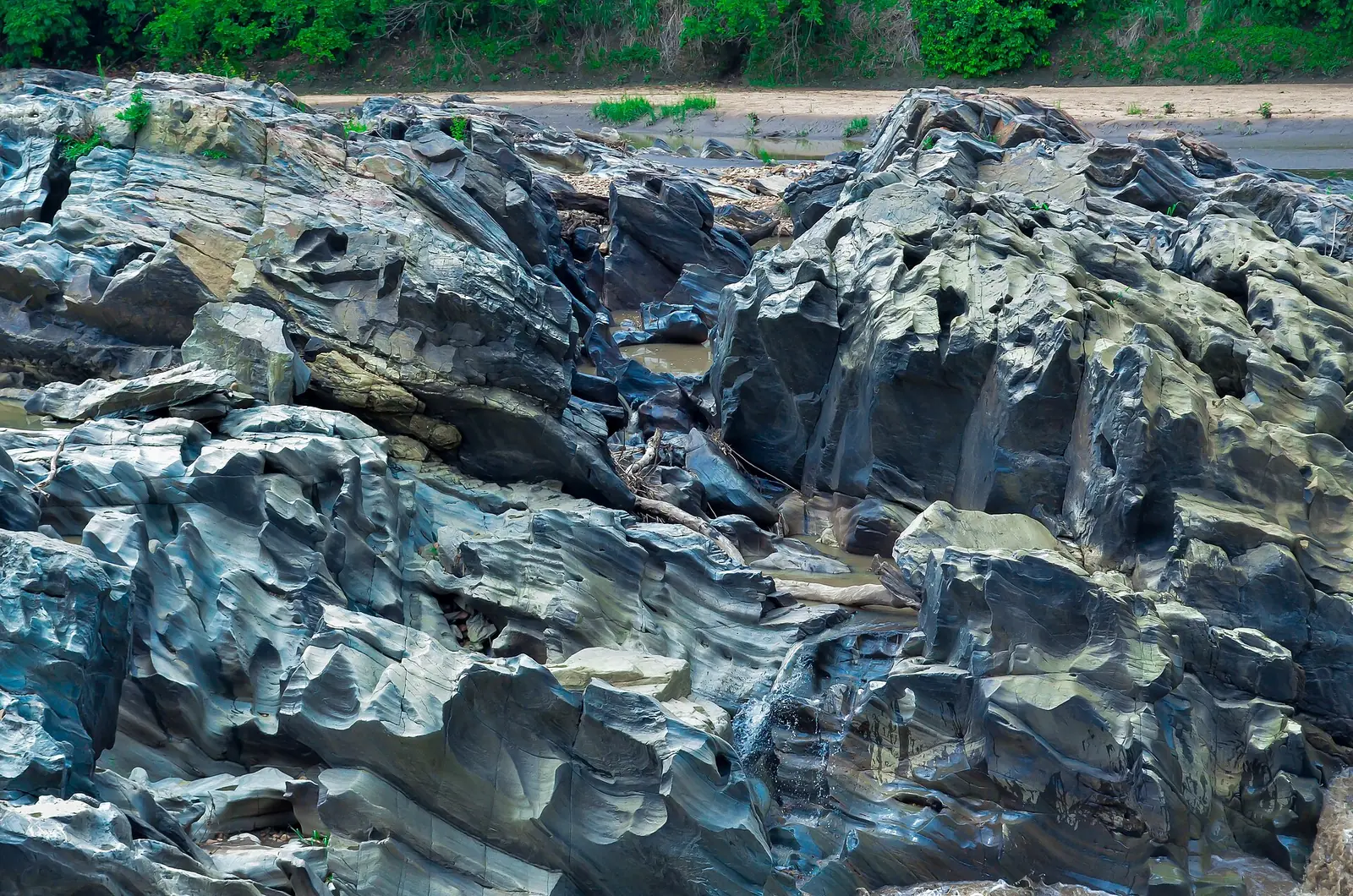
Bénoué National Park
A savanna national park of about 1,800 km² on the Bénoué River, and part of a UNESCO biosphere reserve. It has hippos, antelopes and more than 300 bird species, though recent surveys show large mammals in decline.
Grande Mosquée de Poumpoumré (Garoua Grand Mosque)
Garoua's grand mosque in the Poumpoumré district, a Saudi royal gift inaugurated in 1981. It reopened to worshippers in March 2024 after about 18 months of restoration.
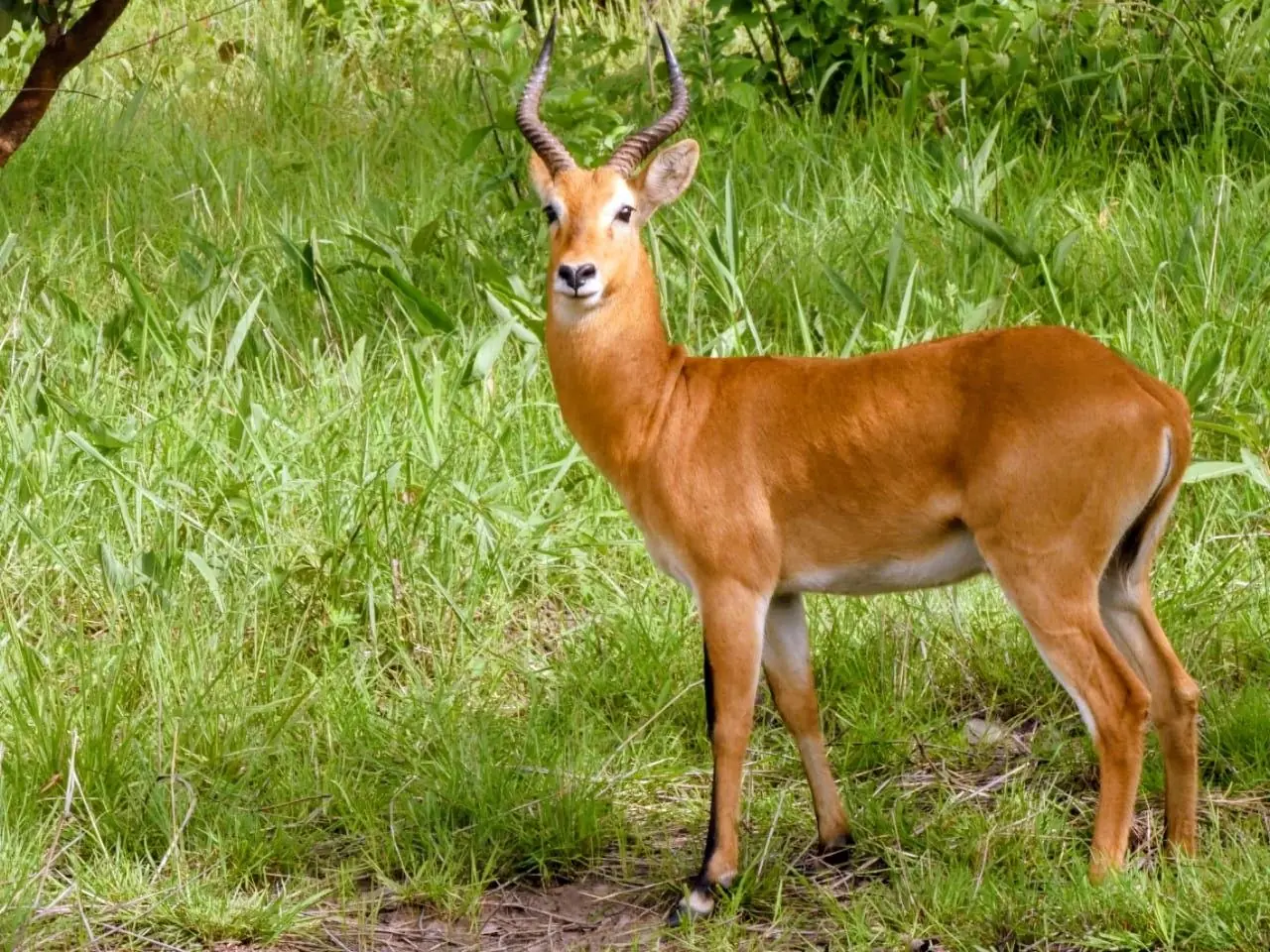
Faro National Park
A large savanna park in the west of the North Region, near the Nigerian border. The Faro River holds a major hippo population, and a 2025 survey recorded 34 large and medium-sized mammal species, including Derby eland and roan antelope.
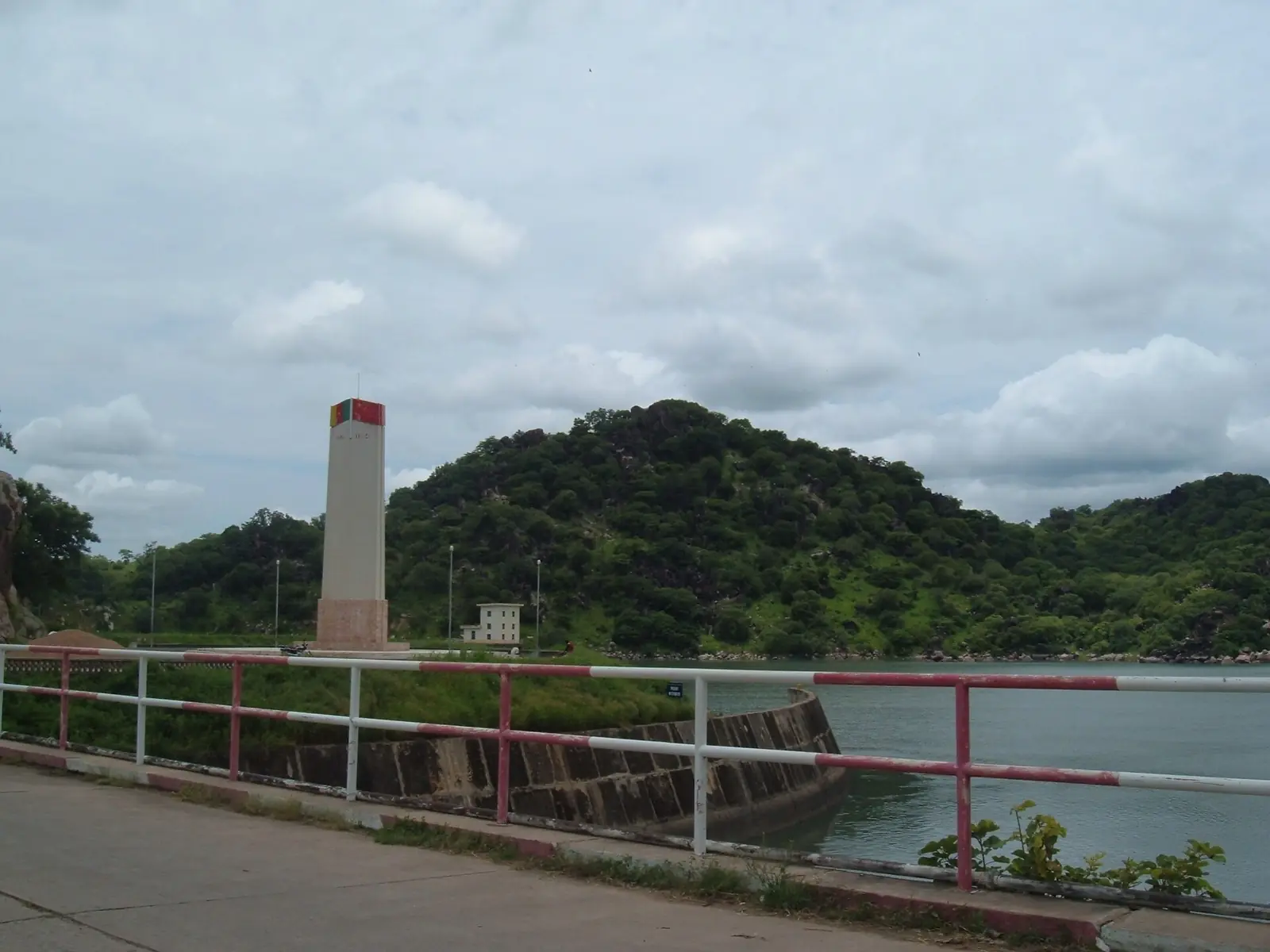
Lagdo Reservoir
A large man-made lake on the Bénoué, about 60 to 70 km from Garoua, formed by a dam completed in the early 1980s. It supports a fishery and the region's hydropower, with a fishing village, a market and the Île aux Damans along its shores.