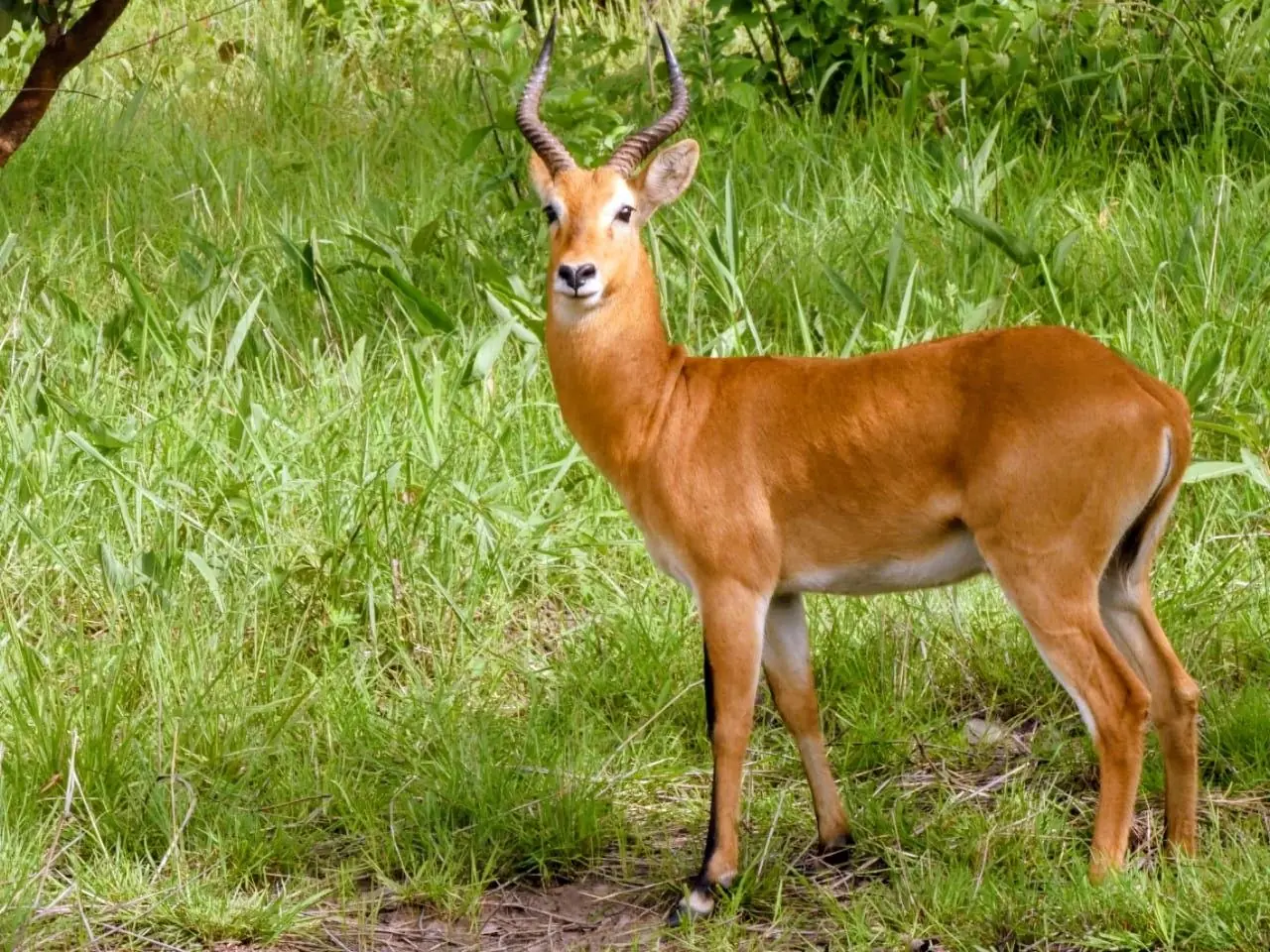
A savanna park on the Chad border
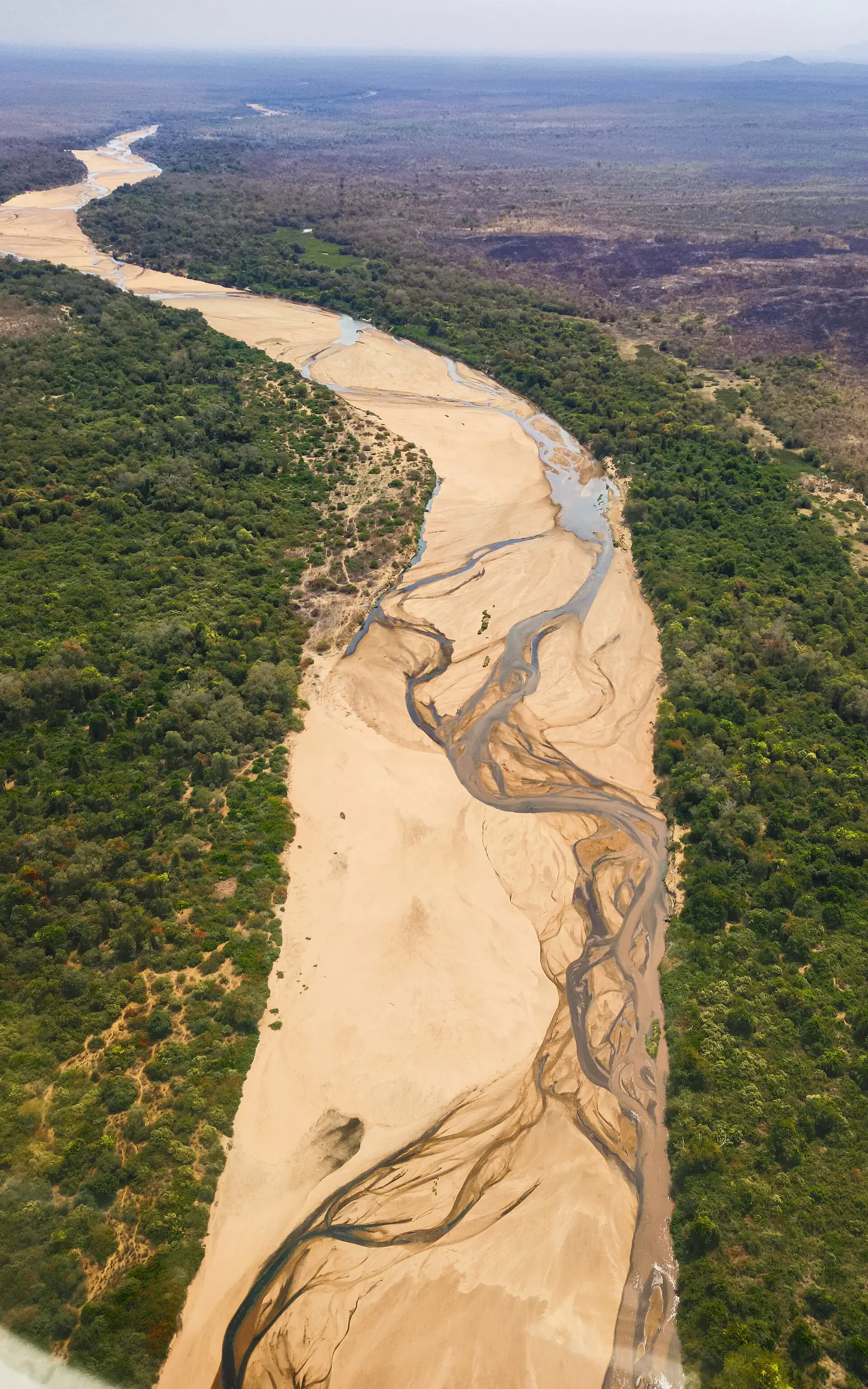
Bouba Ndjida, also written Bouba Njida or Bouba N'djida, is a national park in Cameroon's North Region. Wikipedia and the UN's World Database on Protected Areas both give its area as 2,200 km². The 2015 aerial survey used a park block of 2,347 km², so the figure depends on the boundary used. The land is wooded savanna between about 250 and 860 m above sea level, with around 1,080 mm of rain a year.1,2,3
It adjoins Sena Oura National Park, across the border in Chad. The two parks form the binational BSB Yamoussa complex, which a German-funded project ran by GIZ supported from November 2022 to October 2025. Wikipedia says the area was first protected as a reserve in 1932 and became a national park in 1980.1,8
Wildlife
A 2023 factsheet on the complex names elephants, lions, buffalo, giraffes, Derby eland and other large antelope as its main large species. Wikipedia counts 23 antelope species in the park and reports that African wild dogs were seen here in the early 2000s. In April 2023 the Wildlife Conservation Society wrote that the park's lions were increasing and appeared to be moving back into Sena Oura.1,7,8
The 2012 elephant killings
In early 2012, poachers on horseback killed a large share of the park's elephants. IFAW described them as foreigners, probably from Sudan and Chad. The toll varies by source: at the end of February 2012 officials had counted 458 carcasses, according to AFP; WWF said in August 2012 that more than 300 were killed between January and March; Wikipedia gives about 200; and a 2025 Institute for Security Studies analysis gives about 650.1,4,5,6
Cameroon responded by sending 60 new ecoguards, and later with Operation Peace, which deploys about 600 soldiers from December to May each year. The 2015 aerial survey of the wider landscape counted only 102 elephants at minimum, with a single group inside Bouba Ndjida. In the park, numbers seen were 2% of the 450 seen in 2008, though the two surveys used different methods. It names cross-border poaching, gold mining and herding as the main threats.3,5,6
Tourism today
The 2025 ISS analysis says tourism, a key source of revenue for the area, has been badly hurt, and that wealthy hunters from several countries have stayed away. We found no current source on visitor facilities, access routes or fees.6
In pictures
Map
What visitors say
We summarise accounts published elsewhere and link to the original. These aren't reviews collected by this site, and we don't show a rating.
We haven't yet found a published visitor account for this place.
Check before you go
Our sources can't yet confirm these points:
- Date of national park status: Wikipedia gives 1980, while other lists we could not open give 1968
- Current elephant numbers in the park after 2015
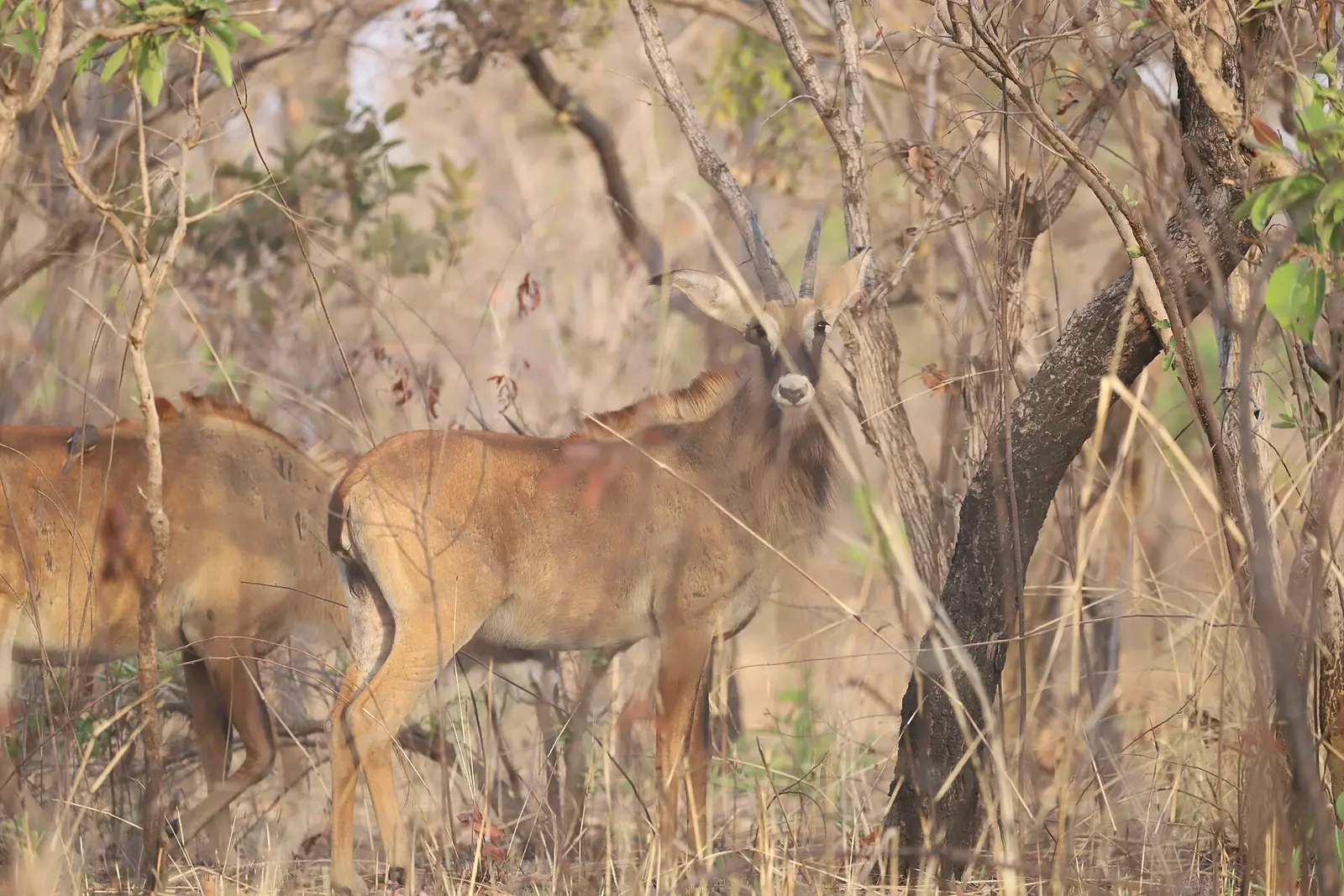
- Whether roan antelope are still present (a Commons photo labelled as taken in the park shows roan, but no survey was read)
- Whether the park currently receives visitors, and the access route from Garoua
- Entry fees, guides and accommodation at the park's central camp
Also nearby
Sources for this page
Information checked on 9 November 2026. It may have changed since.
- Bouba Njida National Park, Wikipedia (5 July 2026)
- Bouba Ndjida (WDPA ID 606), UNEP-WCMC, Protected Planet (2026-11)
- Bouba N'djida - Bénoué - Faro Landscape 2015 (summary of Elkan et al. 2016, WCS / MINFOF / École de Faune de Garoua aerial survey), African Elephant Database, IUCN SSC (21 October 2022)
- Elephant death toll rises to almost 500 in one park in Cameroon, Mongabay (reporting AFP) (29 February 2012)
- WWF CARPO: Cameroon increases elephant protection after mass slaughter, Congo Basin Forest Partnership (WWF press release) (10 August 2012)
- Elephant poaching: expanding Cameroon's green militarisation (ISS Today, Raoul Sumo Tayo), Daily Maverick / Institute for Security Studies (30 January 2025)
- Camera trap captures first lion seen in Chad's Sena Oura National Park in nearly 20 years, Wildlife Conservation Society (20 April 2023)
- Cameroun - Tchad : Projet d'Appui au Complexe Binational Sena Oura - Bouba Ndjida 3 (BSB Yamoussa), COMIFAC / GIZ (2023)
North Region
Capital: Garoua
A savanna region built around the Bénoué River, with Garoua as its capital, Fulbe lamidates such as Rey Bouba, and the Bénoué, Faro and Bouba Ndjida national parks.
More places in the North Region
Bénoué National Park
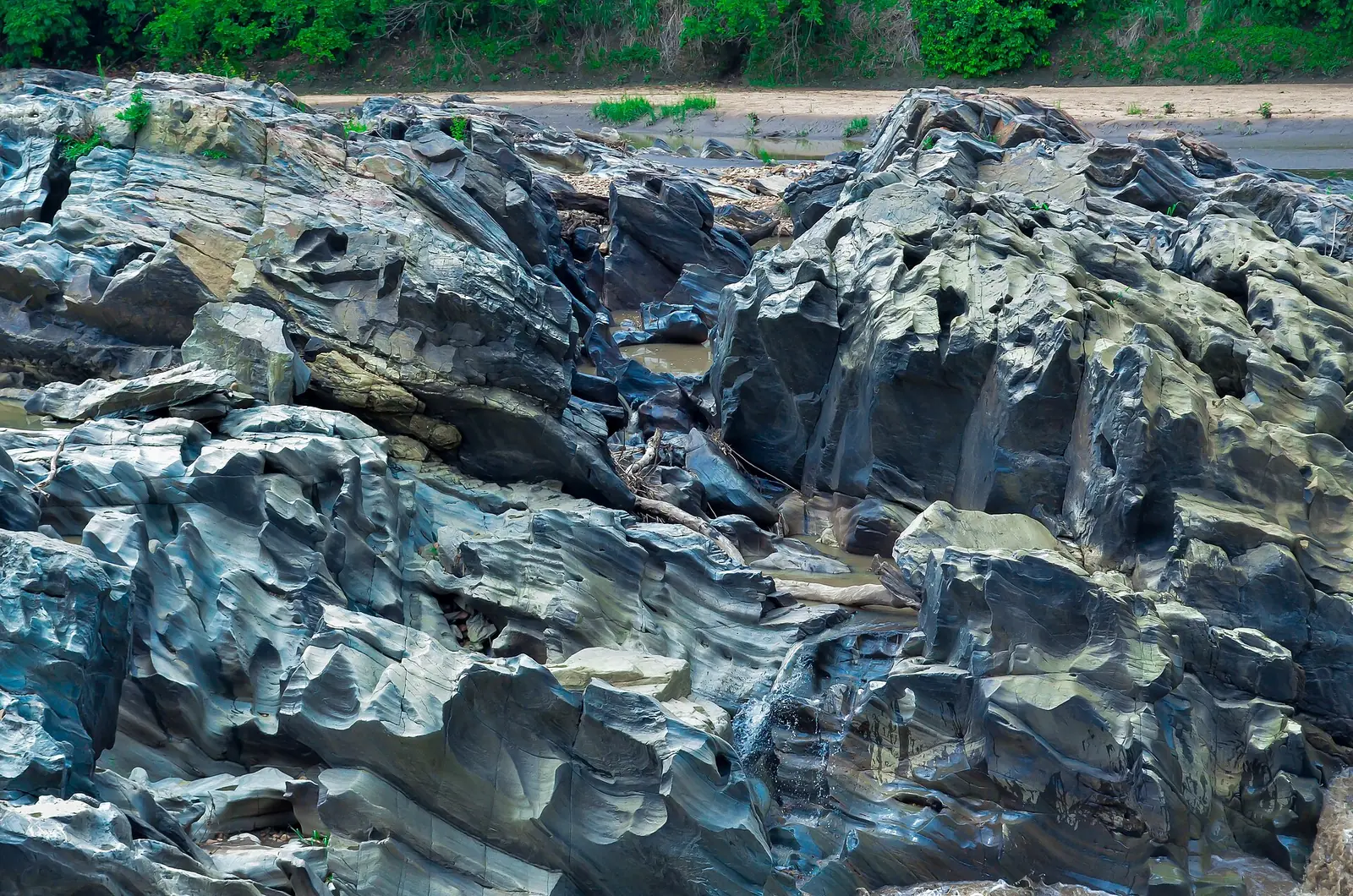
A savanna national park of about 1,800 km² on the Bénoué River, and part of a UNESCO biosphere reserve. It has hippos, antelopes and more than 300 bird species, though recent surveys show large mammals in decline.
Grande Mosquée de Poumpoumré (Garoua Grand Mosque)
Garoua's grand mosque in the Poumpoumré district, a Saudi royal gift inaugurated in 1981. It reopened to worshippers in March 2024 after about 18 months of restoration.
Faro National Park
A large savanna park in the west of the North Region, near the Nigerian border. The Faro River holds a major hippo population, and a 2025 survey recorded 34 large and medium-sized mammal species, including Derby eland and roan antelope.
Lagdo Reservoir
A large man-made lake on the Bénoué, about 60 to 70 km from Garoua, formed by a dam completed in the early 1980s. It supports a fishery and the region's hydropower, with a fishing village, a market and the Île aux Damans along its shores.