- National park since
- 19681
A savanna park on the Bénoué River
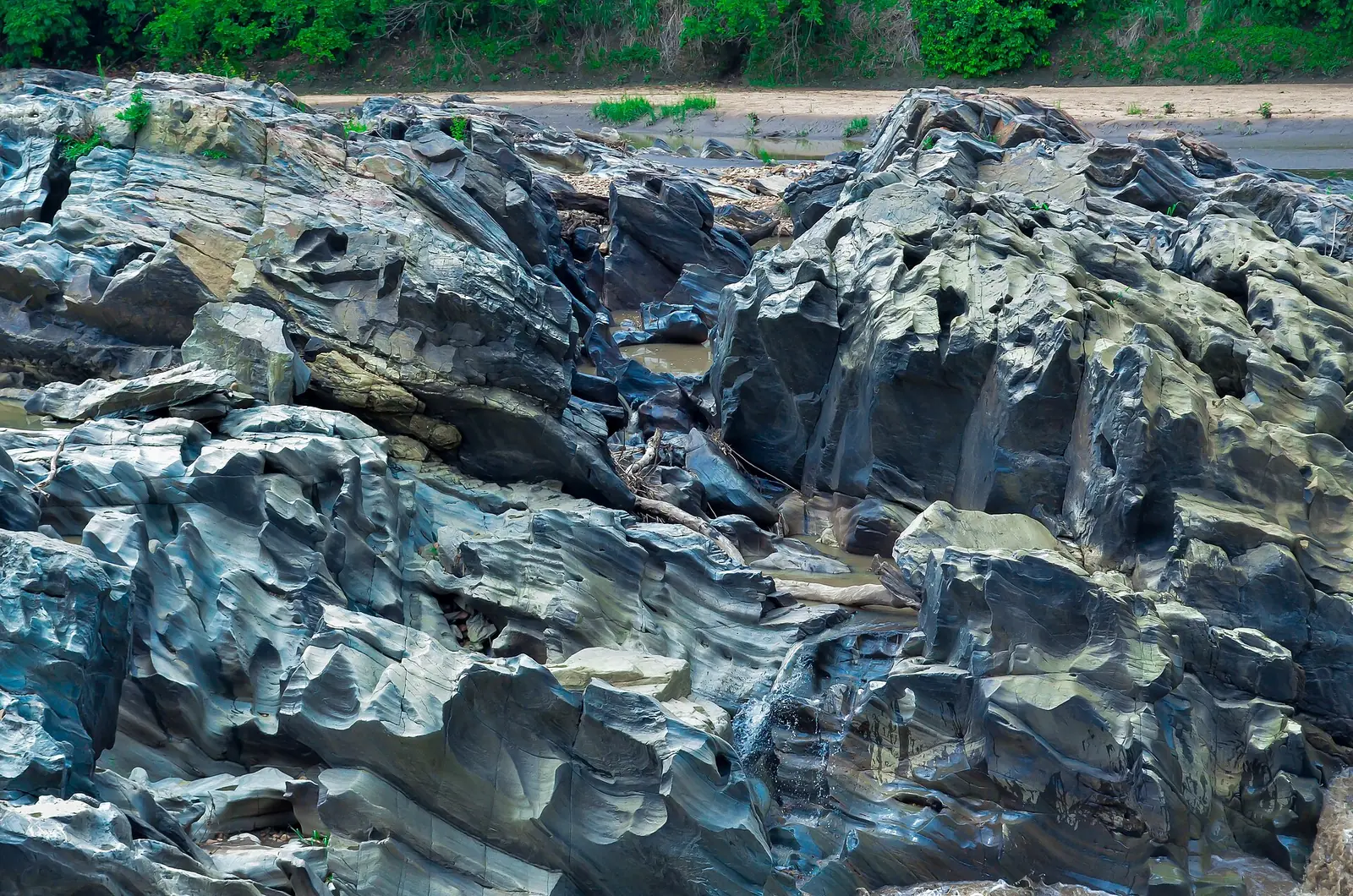
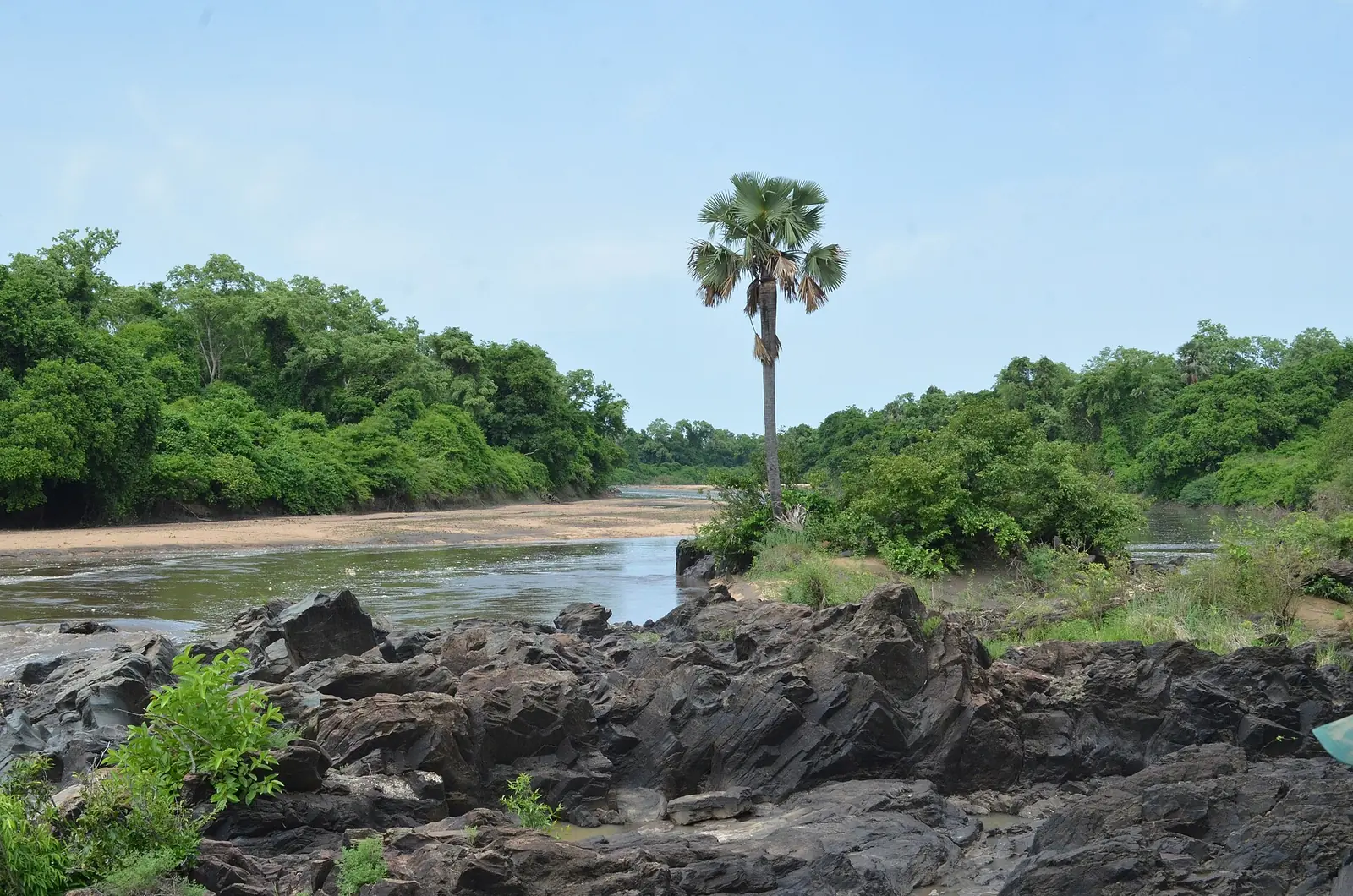
Bénoué National Park lies between Garoua and Ngaoundéré in northern Cameroon. It became a wildlife reserve in 1932, a national park in 1968 and part of a biosphere reserve in 1981. The biosphere reserve is far larger than the park, at 728,346 ha. The landscape is wooded savanna with strips of riverside forest. Hunting zones surround much of the park.1,2,4,7
The Bénoué River forms the eastern boundary for about 100 km, flowing north towards Lagdo. In the dry season, much of its flow runs underground over long stretches.1,3
Wildlife today
Older lists can mislead. The first large camera-trap survey, run in 2023 and published in November 2025, recorded 26 medium to large wild mammals, including roan antelope, kob, western hartebeest, waterbuck, buffalo and tantalus monkey. Combined with a 2019 to 2021 survey, the total is 33. Domestic cattle were the most common animal of all.4
Several large species are now rare or gone. The cameras recorded no elephants or lions, though rangers noted six sets of lion tracks and two instances of elephant dung in 2023 and 2024, which the authors read as animals passing through. Giant eland were absent in 2023, and the authors say they may be close to local extinction. Wild dog, cheetah and black rhino are thought to be locally extinct. UNESCO's page and Wikipedia still list some of these species, so we follow the newer fieldwork.1,2,4,5
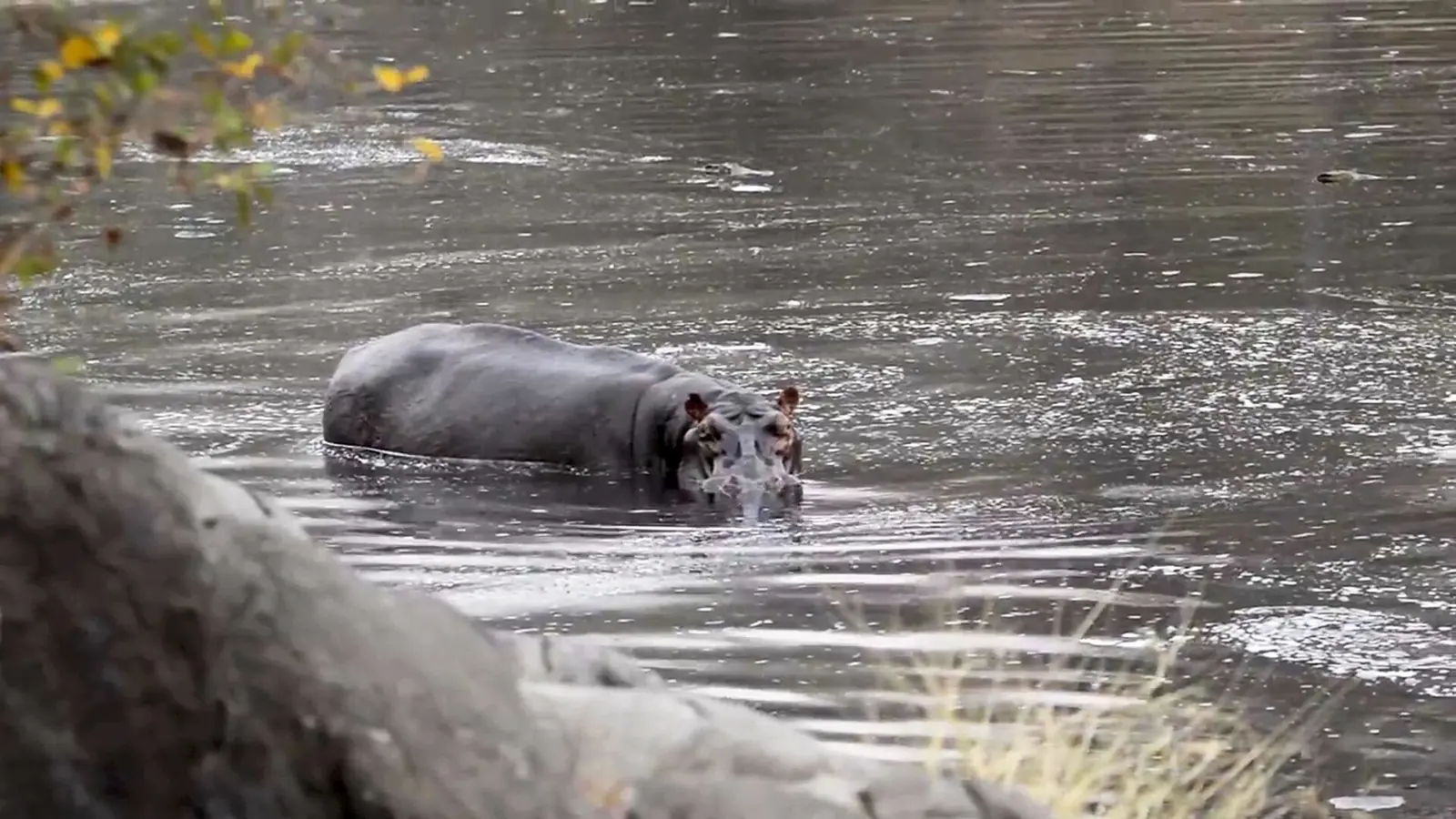
Hippos along the park's stretch of river fell from about 400 in 1987 to 188 in 2013, the last full count we found. Near the park headquarters and two tourist camps, density stayed steady. Gold diggers' camps occupied the northern half of the park at that time. Kordofan giraffe survive in very small numbers, with as few as 27 estimated in a 2024 release, and rangers report sightings along the road between Banda and Buffle Noir.3,4,5
Conservation work continues. A project that ended in January 2024 funded monthly 10-day patrols, repaired 112 km of interior roads and trained more than 30 rangers.6
Birdwatching
How to get there
The main Garoua to Ngaoundéré road forms the park's western boundary, and the public road to Tcholliré crosses its north. A birding guide puts the park about 100 km from Garoua by unpaved road, recommends a 4x4 and says permits come through the Ministry of Forestry and Wildlife or approved operators. Forum posts from 2012 say there were no bush taxis on the park road and suggest asking the wildlife service in Garoua about guides.1,8,11
To reach the area, Wikivoyage lists flights to Garoua from Douala, Maroua and N'Djamena, and a daily overnight Camrail train from Yaoundé to Ngaoundéré, with seats and couchettes. Garoua is about four hours north of Ngaoundéré by bus. Check all schedules, as these listings are undated or old.9,10
When to go
Where to stay
Buffle Noir, in the south of the park, was described in 2016 as the main tourist camp and park headquarters. It's about 32 km from the entrance, according to a 2012 forum post, which also found its condition uncertain. A 2015 post says rangers were staying there. We couldn't confirm that it takes guests today. Birdingplaces, updated in January 2026, describes lodging near the entrance as limited and basic.3,8,11,12
Garoua has more choice. Wikivoyage lists Hotel La Bénoué from 25,000 FCFA and Relais de Hubert from 20,000 FCFA, without dates, so check current prices.9
In pictures
Map
What visitors say
We summarise accounts published elsewhere and link to the original. These aren't reviews collected by this site, and we don't show a rating.
Found the park very hot but rewarding, with many birds and with mammals easy to see by day. The lodging was hard going: no running water or power, and water delivered in buckets. A night drive turned up giraffe, porcupine and jackal.
Chris Lester, birding-aus mailing list, March to April 2008
Enjoyed driving the park's road network and walking trails along the river, which he found pleasant and very good for birds in mixed woodland.
David Hoddinott, Rockjumper tour leader, March 2012
After a visit, described a park with very few animals left, herders with cattle and a gold-panning camp inside its boundaries. This is one person's view from 2015, before the patrol project above.
Anonymous poster supporting the wildlife ministry, Routard forum, February 2015
Check before you go
Our sources can't yet confirm these points:
- Current entry fee, guide and vehicle charges, and how permits are issued
- A working contact for the park's conservation service
- Whether Buffle Noir or any other camp accepts visitors today, and at what price
- The location of the main entrance, and road conditions by season
- Whether boat trips run on the river
- Current flight and train schedules
Also nearby
Sources for this page
Information checked on 6 November 2026. It may have changed since.
- Bénoué National Park, Wikipedia (undated)
- Bénoué Biosphere Reserve, UNESCO (undated)
- Declining population of the Vulnerable common hippopotamus in Bénoué National Park, Cameroon (1976–2013), Scholte and Iyah, Oryx (2016)
- Camera Trap Monitoring of Wildlife in Bénoué National Park, Cameroon, Penny et al., Bristol Zoological Society and Sekakoh (2025-11)
- News release on Kordofan giraffe in Bénoué National Park, University of Bristol via EurekAlert (23 January 2024)
- Greater protection for Bénoué National Park wildlife, Bristol Zoological Society (20 March 2024)
- Bénoué National Park (6110), Key Biodiversity Areas (2001)
- Benoue National Park, Birdingplaces, online birding guide (31 January 2026)
- Garoua, Wikivoyage (undated)
- Ngaoundéré, Wikivoyage (26 March 2026)
- Parc de la Bénoué au Cameroun, Routard forum thread (2012)
- Safari Cameroun, Routard forum thread (2015)
- Cameroon trip report, March/April 2008, part 2, Chris Lester, birding-aus mailing list archive (2008-08)
- Cameroon: Rockfowl, Rainforests and Sahel, trip report, David Hoddinott, Rockjumper tour report (2012-03)
Enquire about Bénoué National Park
Visit Bénoué National Park
Plan your trip to Bénoué National Park in the North Region. Send us an enquiry about guided tours, accommodation and transport, and we'll reply by email.
Send an enquiryNorth Region
Capital: Garoua
A savanna region built around the Bénoué River, with Garoua as its capital, Fulbe lamidates such as Rey Bouba, and the Bénoué, Faro and Bouba Ndjida national parks.
More places in the North Region
Grande Mosquée de Poumpoumré (Garoua Grand Mosque)
Garoua's grand mosque in the Poumpoumré district, a Saudi royal gift inaugurated in 1981. It reopened to worshippers in March 2024 after about 18 months of restoration.
Faro National Park
A large savanna park in the west of the North Region, near the Nigerian border. The Faro River holds a major hippo population, and a 2025 survey recorded 34 large and medium-sized mammal species, including Derby eland and roan antelope.
Lagdo Reservoir
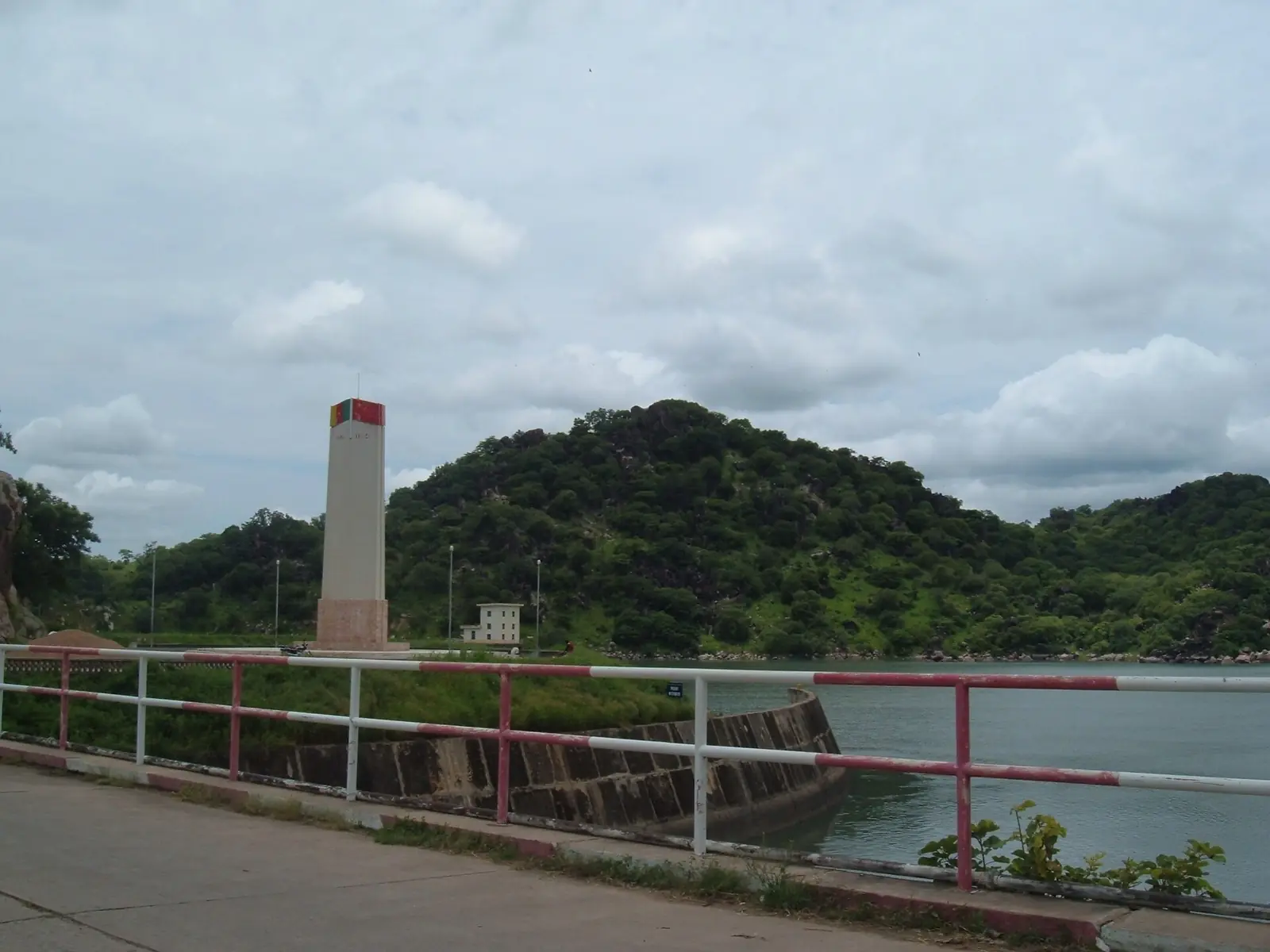
A large man-made lake on the Bénoué, about 60 to 70 km from Garoua, formed by a dam completed in the early 1980s. It supports a fishery and the region's hydropower, with a fishing village, a market and the Île aux Damans along its shores.
Palace of Rey Bouba
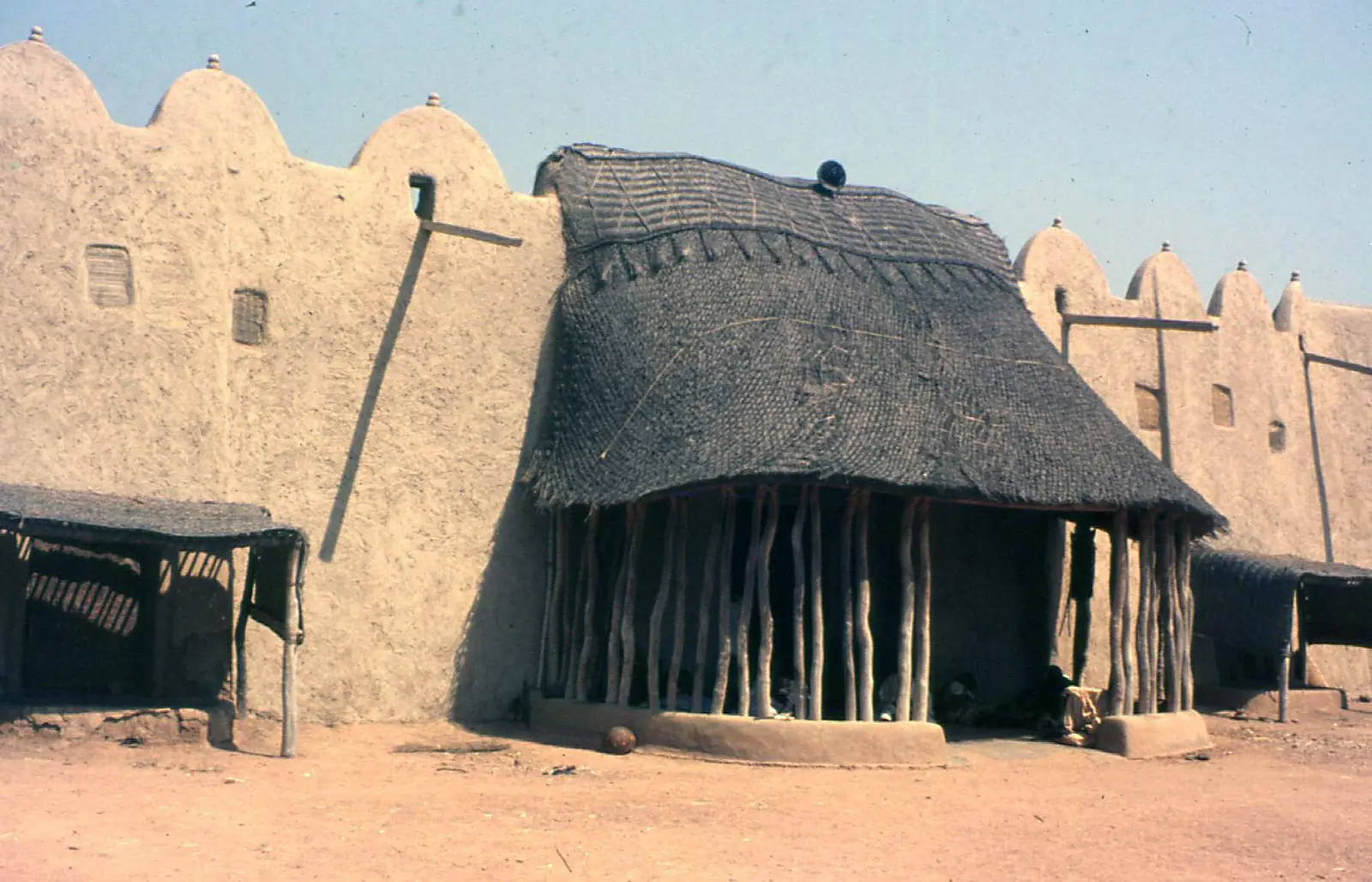
The walled seat of the Lamidat of Rey Bouba, built between 1805 and 1808 and still in use, with an earthen wall about 7 m high. It's on UNESCO's Tentative List, and access for visitors isn't assured.