- Depth
- Maximum 29 m, average about 11 m2
A reservoir on the Bénoué
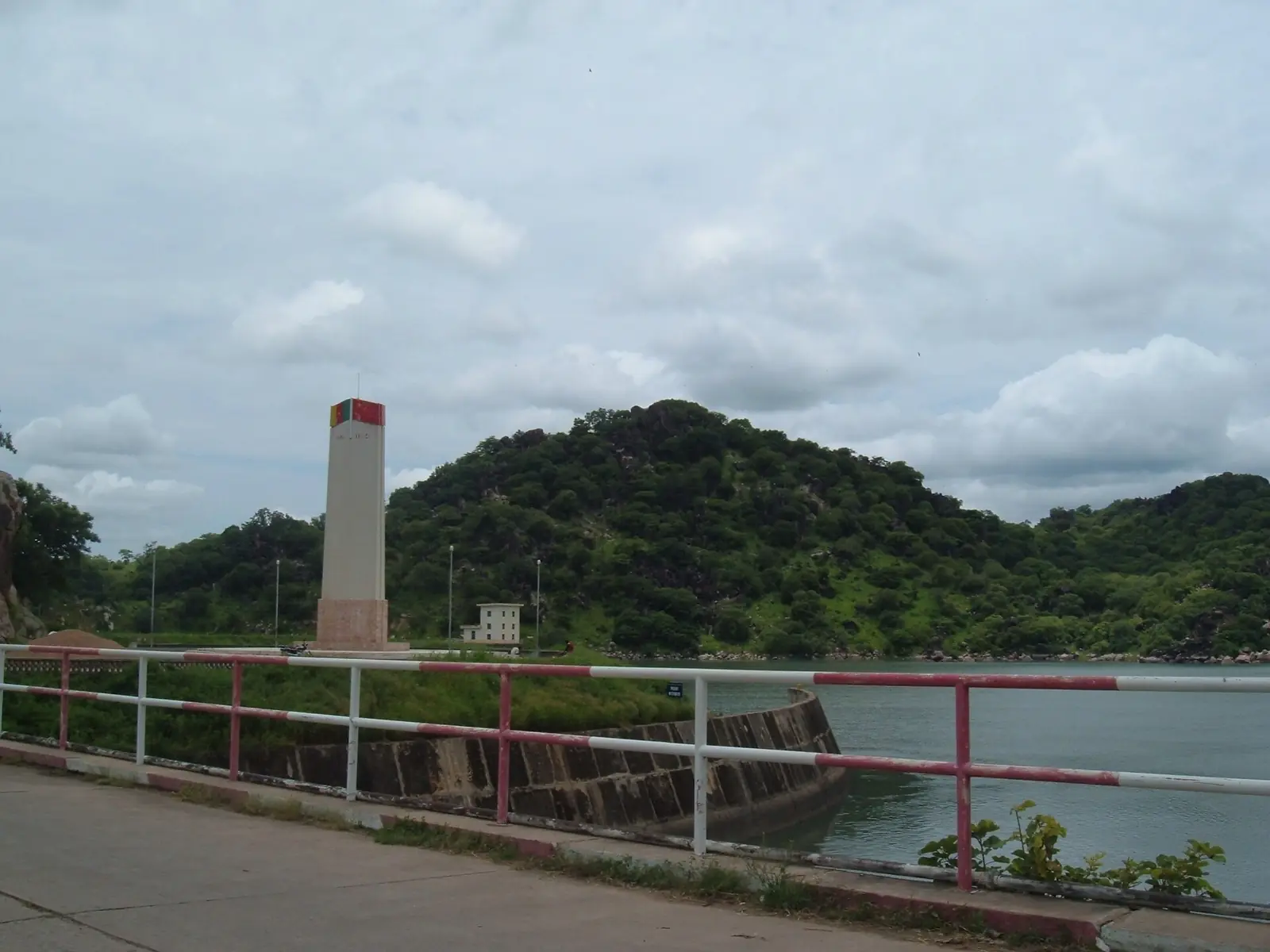
Lagdo is a man-made lake on the Bénoué in the North Region, held back by a 40 m dam. It was built to produce power, irrigate farmland and support fisheries. A 2002 study dates construction from August 1977 to July 1982, and an FAO review says the river was impounded in 1982. Other sources differ: the commune's own profile says the filling took place in 1984, and a 2025 press article dates the building to 1978 to 1984.1,2,5,8
The lake's size varies with its level. At the normal level of 216 m it covers about 697 km², according to the 2002 study, while the FAO gives about 700 km² as the design size and a mean of 395 to 600 km² in the years it studied. Wikipedia gives 586 km². In the early 1990s the FAO called it the largest of Cameroon's reservoirs over 300 km²; we haven't checked that ranking against later dams.1,2,3
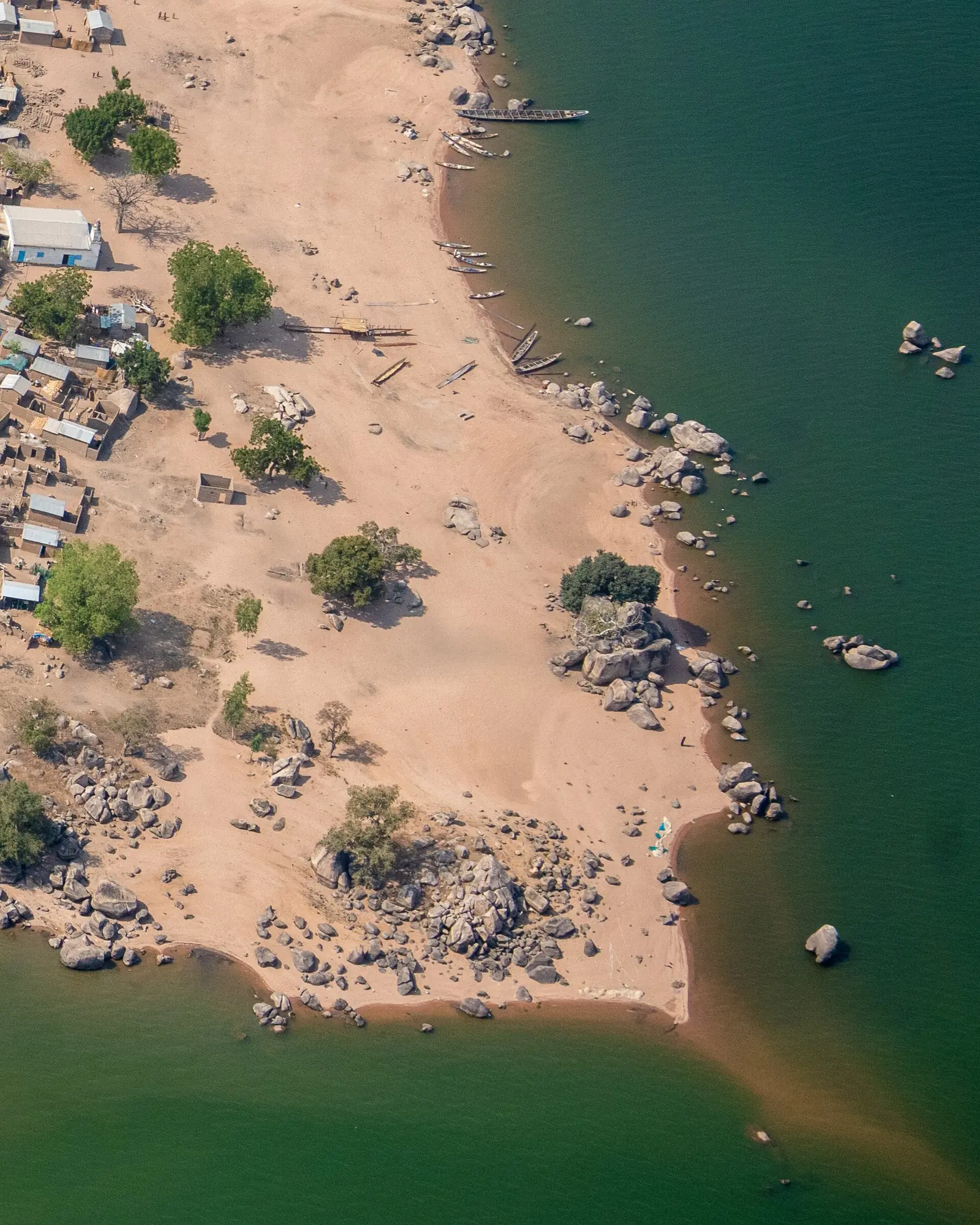
Filling the lake flooded the original village of Lagdo, and its people moved to the present site. The commune says the population was originally made up mainly of Nyem-Nyem and Bata farmers and fishers.5
Fish, water and power
The lake drew a large fishery. The FAO reports 12,289 tonnes in 1990 and 10,675 tonnes in 1991, with Lagdo village as the main market and fishers from Nigeria, Chad, Mali and the Central African Republic. The commune reports a steep decline, from nearly 20,000 tonnes in 1986 to under 3,000 tonnes in 2013, though the FAO's figure for 1986/87 is lower, at 13,404 tonnes.2,5
Water has become a concern. In December 2021, the energy minister said the dam had received only 1.6 billion m³ that year, against 4 billion in a normal year, and that output had fallen from 60 MW to 12 or 13 MW. Silting of the reservoir is also reported. In 2023, a member of parliament warned that water hyacinth had covered much of the lake, harming fishing and river transport.4,7
The dam also matters downstream. Wikipedia reports that releases were blamed for flooding in Nigeria in 2012 and 2022, while Nigerian officials said rainfall in Nigeria was a major cause in 2022.3
What to see and do
A 2025 press article lists boat trips on the lake, a crossing to the Île aux Damans (Hyrax Island), a fishing village, monkey watching, walks on the surrounding hills, and fresh fish to eat. It says Lagdo's market is busiest on Fridays. Cameroon Tribune reported in March 2023 that a nautical station had opened on the shore, with restaurants, game rooms, pools and artificial beaches, as the third leisure site after Lagon Bleu and the Île aux Damans. Neither gives prices, and the commune itself describes tourism as slow to develop.5,6,8
Where to stay
Getting there and when to go
Lagdo is about 60 km from Garoua according to Cameroon Tribune, and about 70 km according to the 2025 article. We found no dependable source for public transport or current road conditions. The area has a dry season from November to April and a wet season from May to October.1,6,8
Garoua has an international airport. A March 2023 press report gave Camair-Co five nonstop round trips a week from Douala and Yaoundé, and Wikivoyage lists flights from Douala, Maroua and N'Djamena without a date. By land, the Camrail overnight train runs from Yaoundé to Ngaoundéré, and Garoua is about four hours further north by bus. Check all schedules, as these details are dated or undated.9,10,11
In pictures
Map
What visitors say
We summarise accounts published elsewhere and link to the original. These aren't reviews collected by this site, and we don't show a rating.
We haven't yet found a published visitor account for this place.
Check before you go
Our sources can't yet confirm these points:
- Whether the nautical station, Lagon Bleu and other hotels are open, and their prices.
- Boat-trip operators and prices.
- Public transport and road conditions from Garoua.
- How much of the lake water hyacinth covers now.
- Current fish catch, and water level and power output since 2021.
- The year the lake was filled: 1982 or 1984.
Also nearby
Sources for this page
Information checked on 6 November 2026. It may have changed since.
- Le barrage de Lagdo (Nord-Cameroun) : impact sur les plaines d'inondation de la Bénoué (B. Ngounou Ngatcha, R. Njitchoua, E. Naah), in Gestion intégrée des ressources naturelles en zones inondables tropicales, IRD Éditions (2002)
- Status of fish stocks and fisheries of thirteen medium-sized African reservoirs: Cameroon, Lagdo (CIFA Technical Paper 26), FAO (cites data up to 1993)
- Lagdo Reservoir, Wikipedia (undated)
- Cameroun : le barrage de Lagdo perd 3 milliards m3 d'eau en deux ans (gouvernement), Agence Ecofin (17 December 2021)
- Commune de Lagdo - Cameroun (commune profile), Commune de Lagdo, via OIDP Afrique (undated; uploaded 2022-01)
- Loisirs : la station nautique de Lagdo inaugurée (Brice Mbeze; free part read), Cameroon Tribune (6 March 2023)
- Lagdo : il faut sauver le lac de retenue (Yvan Bounoung; free part read), Cameroon Tribune (5 July 2023)
- Tourisme au Cameroun : Le lac de Lagdo, une oasis en plein Sahel, Alwihda Info (11 July 2025)
- Garoua, Wikivoyage (listings dated to February 2023)
- Ngaoundéré, Wikivoyage (undated)
- Réseau domestique : Camair-Co procède à la restructuration de ses vols vers Ngaoundéré, Garoua et Maroua, EcoMatin (28 March 2023)
Enquire about Lagdo Reservoir
Visit Lagdo Reservoir
Plan your trip to Lagdo Reservoir in the North Region. Send us an enquiry about guided tours, accommodation and transport, and we'll reply by email.
Send an enquiryNorth Region
Capital: Garoua
A savanna region built around the Bénoué River, with Garoua as its capital, Fulbe lamidates such as Rey Bouba, and the Bénoué, Faro and Bouba Ndjida national parks.
More places in the North Region
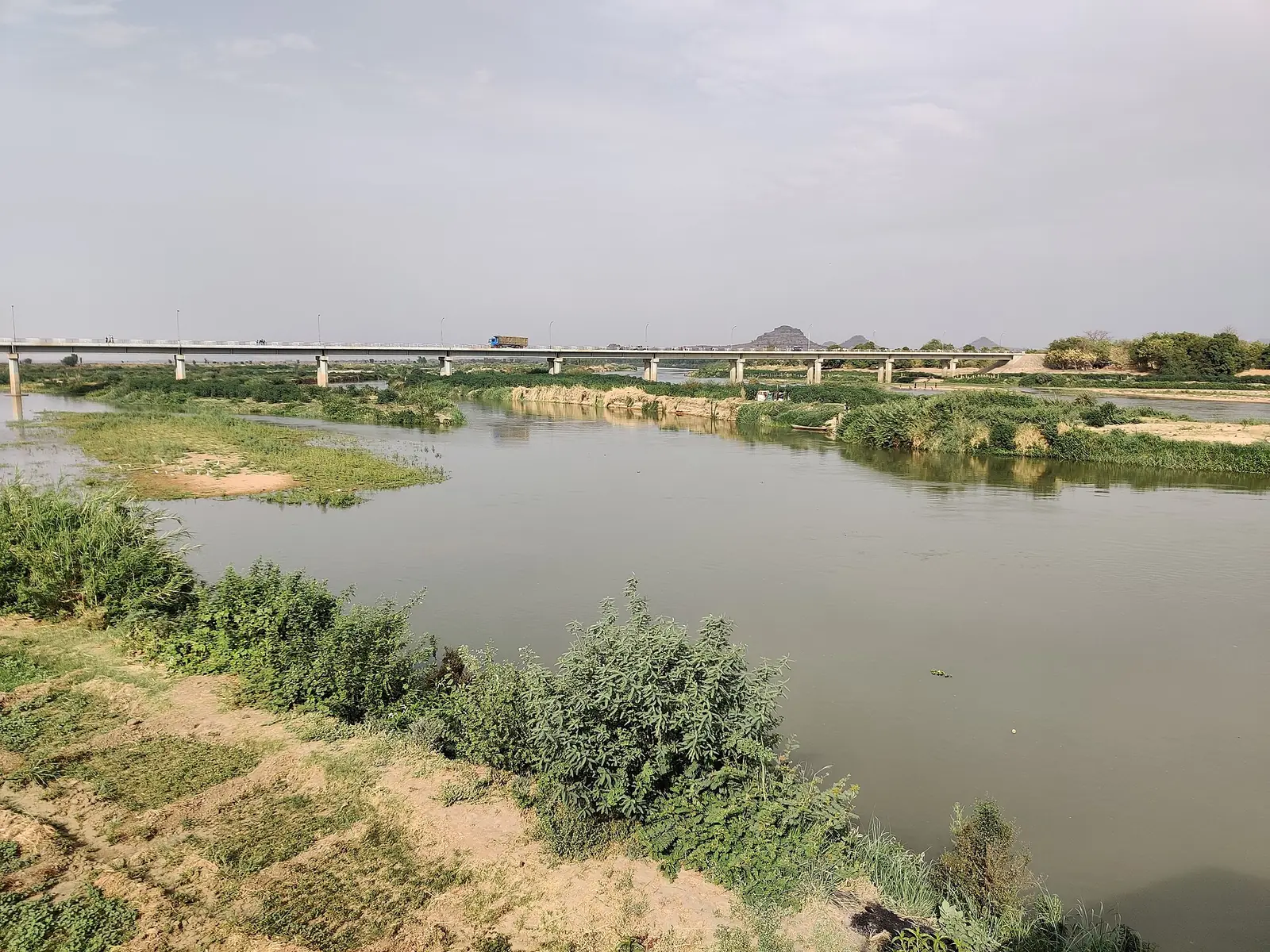
Bénoué National Park
A savanna national park of about 1,800 km² on the Bénoué River, and part of a UNESCO biosphere reserve. It has hippos, antelopes and more than 300 bird species, though recent surveys show large mammals in decline.
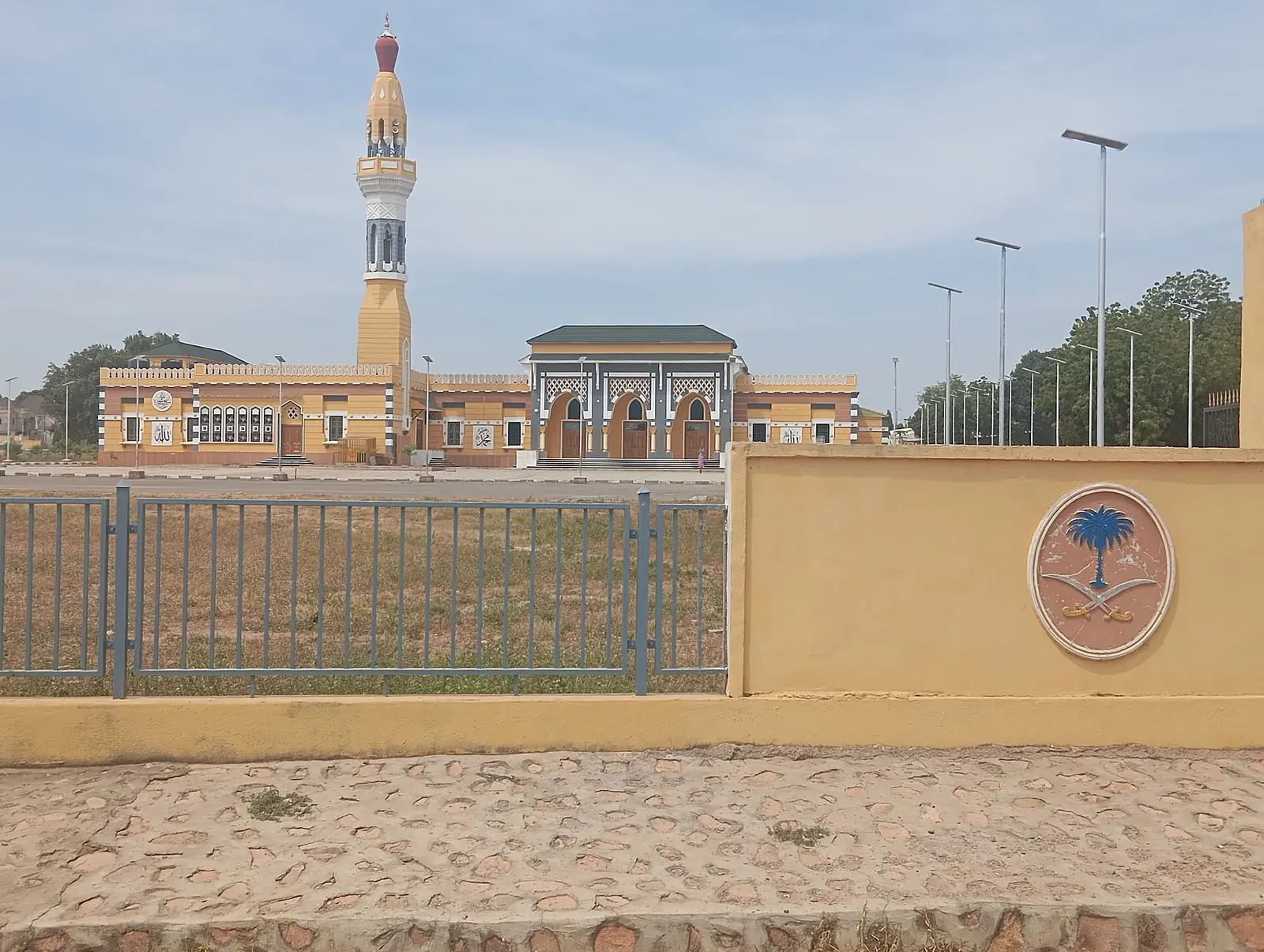
Grande Mosquée de Poumpoumré (Garoua Grand Mosque)
Garoua's grand mosque in the Poumpoumré district, a Saudi royal gift inaugurated in 1981. It reopened to worshippers in March 2024 after about 18 months of restoration.
Faro National Park
A large savanna park in the west of the North Region, near the Nigerian border. The Faro River holds a major hippo population, and a 2025 survey recorded 34 large and medium-sized mammal species, including Derby eland and roan antelope.
Palace of Rey Bouba
The walled seat of the Lamidat of Rey Bouba, built between 1805 and 1808 and still in use, with an earthen wall about 7 m high. It's on UNESCO's Tentative List, and access for visitors isn't assured.