- Great apes, 2020 estimate
- 718 gorillas and chimpanzees combined3
Coastal forest on the Equatorial Guinea border
Campo Ma'an lies in southern Cameroon, between the Atlantic and the Equatorial Guinea border. It became a national park in 2000, partly to offset expected damage from the Chad-Cameroon oil pipeline, and the older Campo reserve dates from 1932. The west of the park is mostly below 300 m, and the east climbs to 1,097 m.1,2
Sources disagree slightly on the size. Africanews gives 264,064 ha and the IUCN apes portal 2,641 km², which match, while Wikipedia gives 2,680 km² and French Wikipedia 2,604 km². This isn't untouched forest: there was selective logging in 1994 and 1995, and logging concessions and rubber and oil palm plantations surround the park.1,2,3,4
Wildlife, and how far to trust the numbers
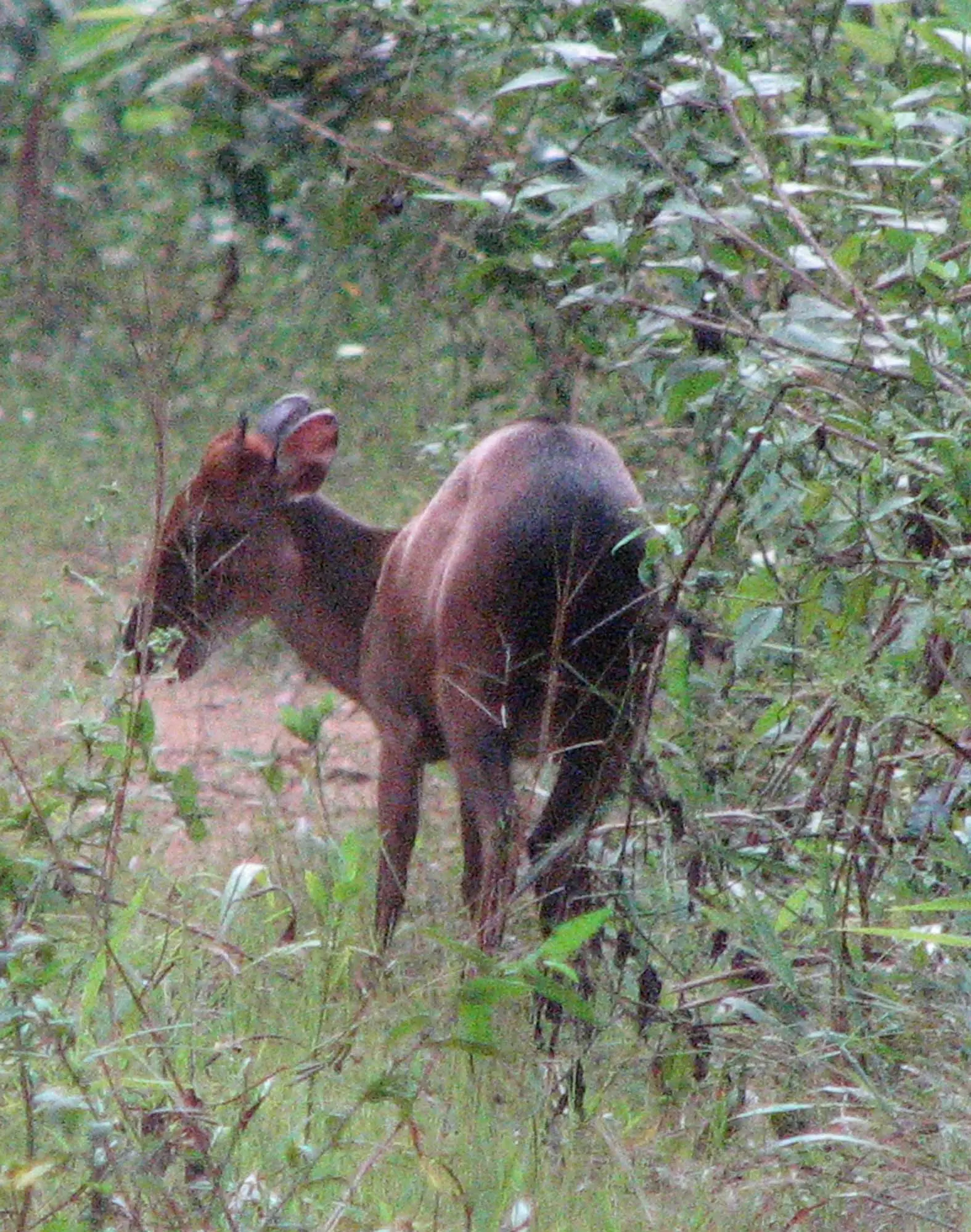
The park holds forest elephants, western lowland gorillas, central chimpanzees, mandrills, leopards, giant pangolins and a small population of forest buffalo. Granby Zoo says it's the only protected area in Cameroon with mandrills. Published inventories list about 80 large and medium mammals and around 300 birds, but they differ on others, such as 112 or 122 reptiles and 165 or 249 fish.1,2,4,5,6,8
Population counts conflict more sharply. The IUCN apes portal lists park-wide estimates for gorillas and chimpanzees combined of 1,039 in 2008, 1,472 in 2014 and 718 in 2020, and describes the trend as decreasing. Africanews (2022) cites about 500 gorillas and more than 200 elephants. Granby Zoo cites about 700 gorillas, 700 chimpanzees and 350 elephants, without a survey date. Treat all of these as rough.3,4,5
People and pressures
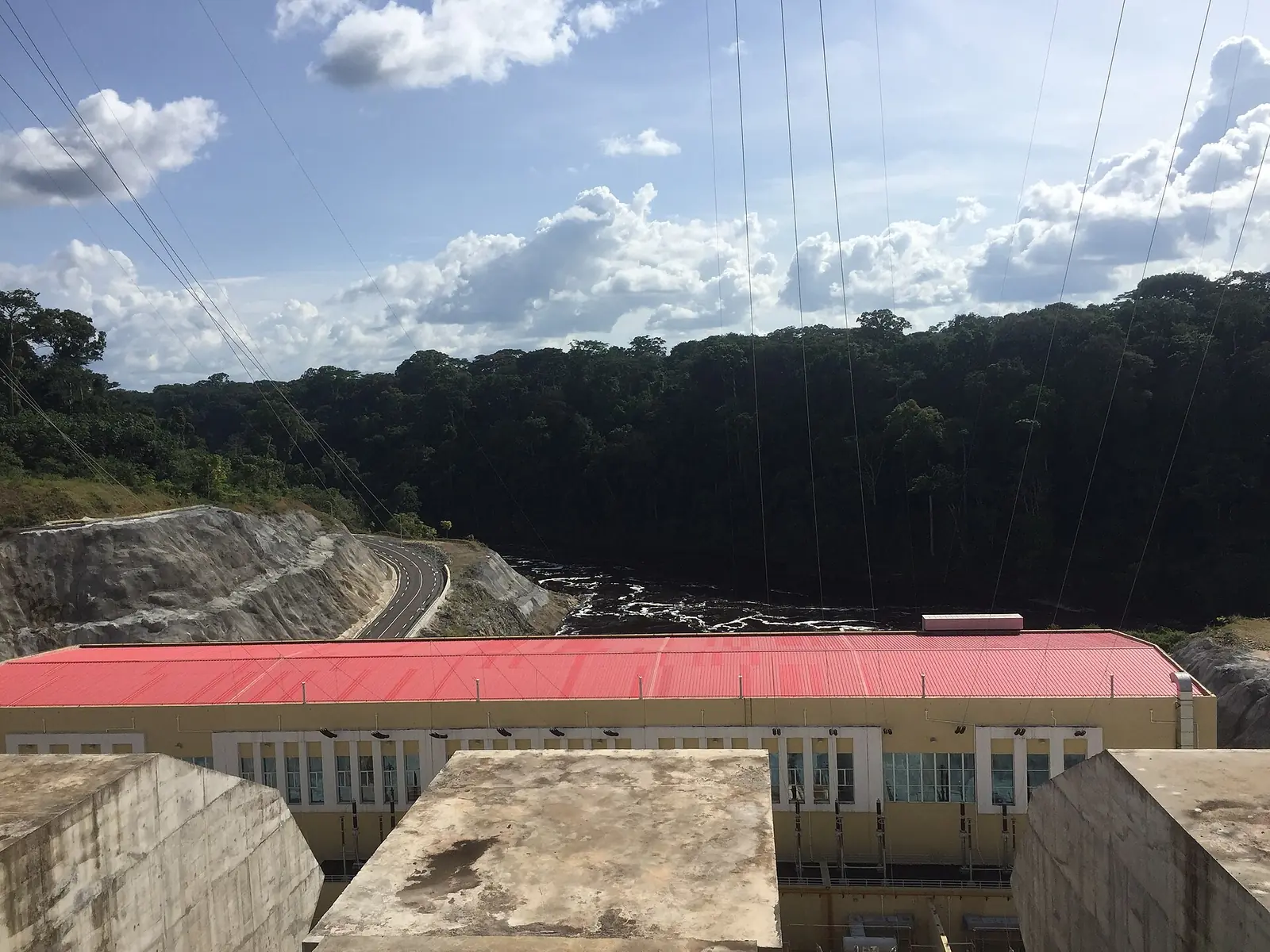
Bagyeli and Bantu communities live around the park, and tighter enforcement after 1999 led to conflict over forest use. Wikipedia reports a co-management agreement with the Bagyeli, 15 of whom work as great ape guides and trackers. Elephants also damage farms: in 2022, the park's administrative manager said each of eight villages had lost 3 to 4 hectares of plantations. Reported pressures include poaching, palm oil, mining and dams.1,3,4
Gorillas and visiting today
WWF began a project about a decade before 2022 to accustom gorillas to people, with ecotourism as the aim. Cameroon's tourism and forestry ministries signed an ecotourism agreement with Africa Travel Management in October 2022, and researchers writing in 2024 and 2026 still discuss gorilla tourism as a prospect. We found no source confirming that visitors can book gorilla visits today, so ask before you plan around them.4,10,11,12
Petit Futé describes guided visits with a local guide and a forest guard, one- or two-day hikes with a night in the forest, and a 4-hour hike to a 'tree museum'. One tour operator, Palace Travel, lists a full guided day in the park and says a gorilla sighting isn't guaranteed.8,13
How to get there
Kribi is the usual starting point, and Rome2Rio lists daily buses there from Yaoundé. Distances from Kribi vary, perhaps because sources measure to different points: Petit Futé puts the park office 80 km away, 45 km of it on track, and about 3 hours by road; a 2020 blogger took about 3 hours to cover the 75 km to Campo town in WWF Land Cruisers; and Wikivoyage says 150 km of bad roads. Wikipedia says the difficult road keeps most holiday-makers from Campo.7,8,9,14,15
Costs and contact
These undated figures come from Petit Futé: entry is 5,000 FCFA per person per day (3,000 FCFA for residents), cameras 2,000 FCFA a day, vehicles 2,000 FCFA a day, and a guide with a forest guard 10,000 FCFA a day. Wikivoyage gives the same entry and vehicle fees, but warns that guides may charge far more than the official rate. Petit Futé lists +237 695 11 36 83 for the park office, which we haven't tested.7,8
When to go
The park has two dry seasons, November to March and July to August, and rains from April to June and August to October. Researchers who followed one gorilla group for a year suggest May, June, November and December as the best months for seeing gorillas, based on fruit availability. Two of those months fall in the rains, when the roads may be harder.1,7,10
Where to stay
Map
What visitors say
We summarise accounts published elsewhere and link to the original. These aren't reviews collected by this site, and we don't show a rating.
Describes a rough drive to the Bangola bridge, then about 6 km on a muddy footpath to the trackers' simple camp and on into the forest, where the group saw one gorilla resting high in a tree. Bridges on the route needed repair.
Fonka Mutta, personal blog (travelling with WWF, not as an ordinary tourist), October 2020
Check before you go
Our sources can't yet confirm these points:
- Whether visitors can currently arrange gorilla visits, and at what price
- Current entry, camera, vehicle and guide fees
- Whether the park office phone number listed by Petit Futé works, and the office's hours
- Road conditions from Kribi, by season, and whether a 4x4 is needed
- Whether any lodge operates in or near the park today
- What came of the 2022 ecotourism agreement with Africa Travel Management
- Current wildlife numbers
Also nearby
Sources for this page
Information checked on 6 November 2026. It may have changed since.
- Campo Ma'an National Park, Wikipedia (5 July 2026)
- Parc national de Campo-Ma'an, Wikipédia (21 September 2026)
- Campo Ma'an National Park, IUCN SSC A.P.E.S. Wiki (5 November 2026)
- Cameroon bets on ecotourism to reduce human-wildlife conflicts, Africanews (14 October 2022)
- Protecting elephants and large primates in Africa, Granby Zoo (undated)
- Field Journal, African Wildlife Foundation (2 March 2026)
- Campo Ma'an National Park, Wikivoyage (5 August 2026)
- Bureau du parc de Campo Ma'an, Petit Futé (undated guidebook listing) (undated)
- Inside Campo-Ma'an National Park, Fonka Mutta, personal blog (11 October 2020)
- Connaître les activités des gorilles pour développer l'écotourisme, Sorbonne Université, Formation continue (9 September 2026)
- Ecotourisme : l'Etat valorise le parc de Campo Ma'an, Amadou Tikele, Cameroon Tribune (opening paragraphs only, paywalled) (27 October 2022)
- Perception of Stakeholders on Potential Ecotourism and its Impacts on the Habituated Gorilla Group in the Protected Area of Campo Ma'an, Southern Cameroon, France Anougue, QCBS Blog (12 February 2024)
- Bagyeli People & Campo Ma'an National Park, 9 days, Palace Travel (tour operator, undated) (undated)
- South Region (Cameroon), Wikipedia (14 September 2026)
- Yaoundé to Kribi, Rome2Rio (travel planner, no date shown) (undated)
Enquire about Campo Ma'an National Park
Visit Campo Ma'an National Park
Plan your trip to Campo Ma'an National Park in the South Region. Send us an enquiry about guided tours, accommodation and transport, and we'll reply by email.
Send an enquirySouth Region
Capital: Ebolowa
Rainforest and Atlantic coast, from the beaches of Kribi and the Lobé Falls to Campo Ma'an National Park and the cocoa country around Ebolowa.
More places in the South Region
Nkolandom
In a forested hollow 18 km from Ebolowa, Nkolandom is a village with a tourist centre, an artificial lake with canoe rides, caves in the surrounding hills and a museum of African art.
Kribi Beach and Lobé Falls
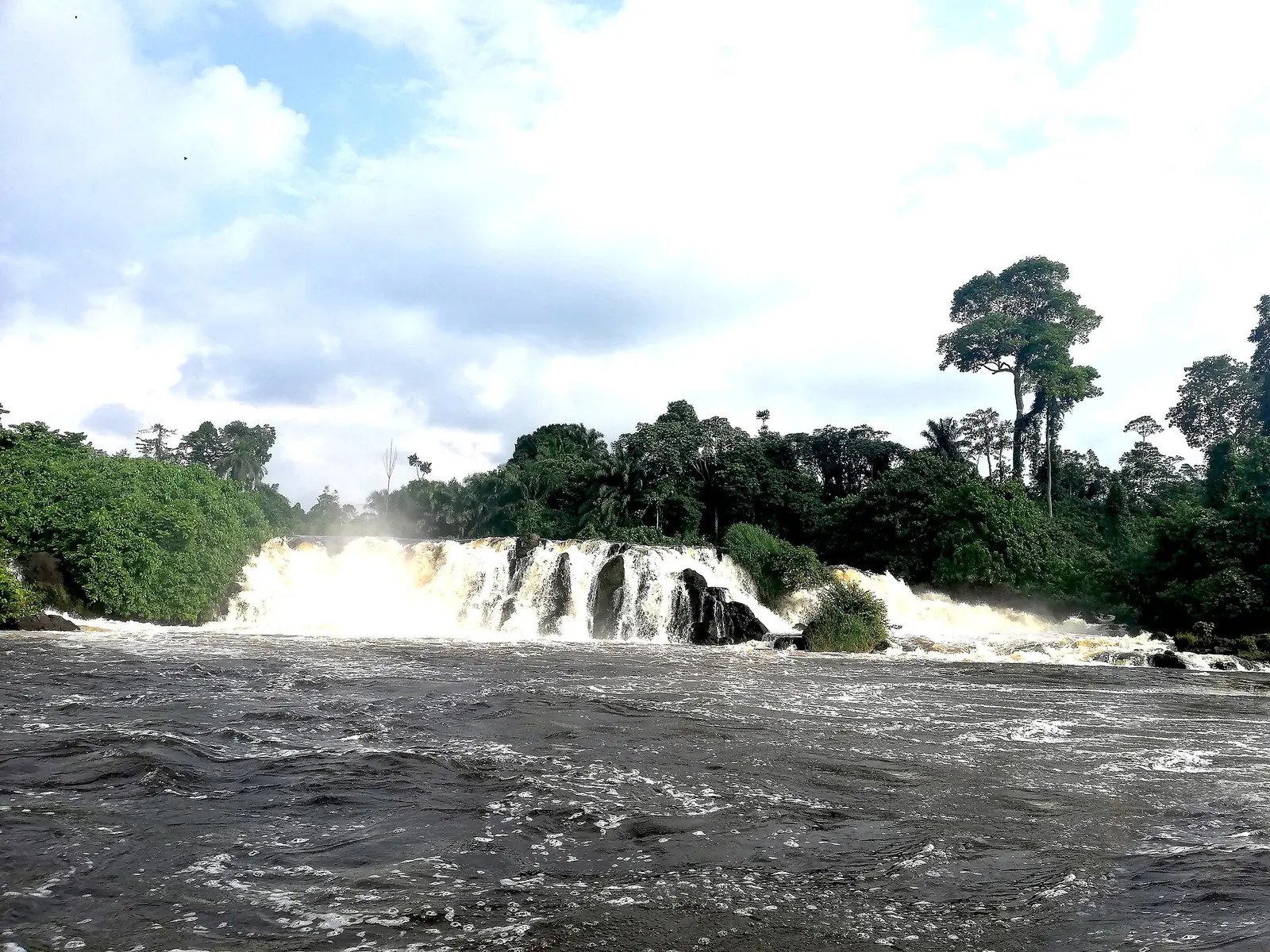
A beach town on the Gulf of Guinea, where the Lobé River reaches the Atlantic through a series of cascades, a rare sight and a place of ritual for local peoples.
Grand Batanga
A coastal village just south of Kribi, the former capital of the Batanga people, with palm-lined beaches.
Ebodjé
A fishing village on the Atlantic, north of Campo, where the community group Tube Awu protects the nests of olive ridley and leatherback turtles.