What it marks
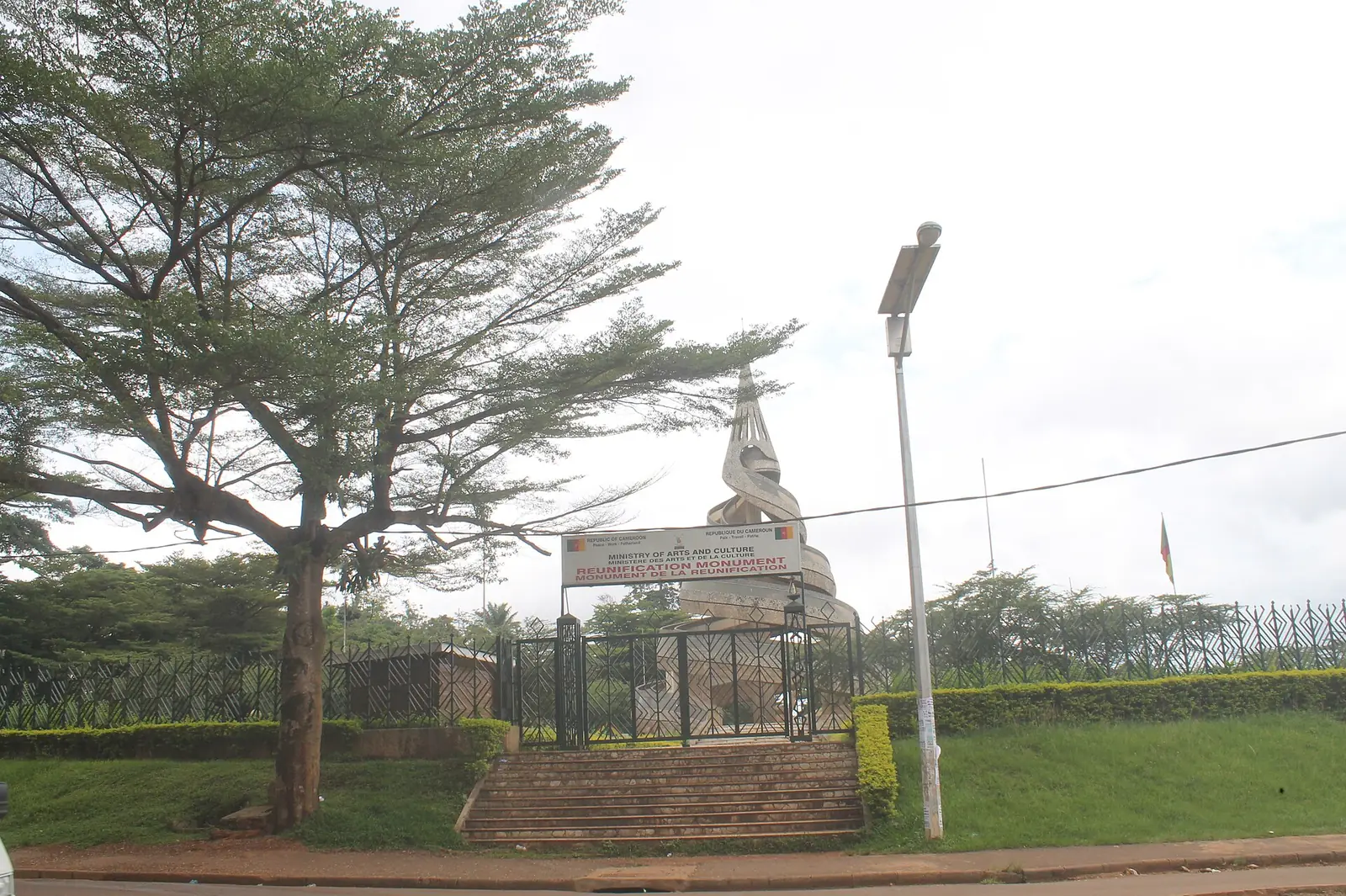
This monument recalls two steps in Cameroon's history: the reunification of French-speaking and English-speaking Cameroon on 1 October 1961, and the change from a federal republic to the United Republic after the referendum of 20 May 1972. It stands in Yaoundé's political and administrative centre, at the end of the Boulevard de la Réunification. Sources name the area as Ngoa-Ekelle or Plateau Atemengue.1,2,3
Who built it, and when
President Ahmadou Ahidjo launched a competition for the monument, and the conditions of the commission are described as somewhat obscure. Most sources give 1973 to 1976 for the work. Wikivoyage says 1973, and a 2020 article says it was commissioned in 1971 and finished in 1974.1,2,3,5,6
Credits also differ. Two detailed accounts say Father Engelbert Mveng designed the spiral tower and its reliefs, the French architect Armand Salomon built it, and Gédéon Mpando made the statue. A journal article says Mveng and Mpando (spelled Mpondo there) designed the monument and Salomon constructed it, while Wikipedia calls Mpando and Mveng the architects. The self-taught woodcarver Etolo Eya, from Mbalmayo, is credited with the carvings in the basement.1,2,3,4
What to see
There are two parts. The statue shows an old man holding up a torch, with children clinging to him. Most sources count five children; one counts four. One account reads the old man as the generation that fought for reunification, and the children as equal opportunity for girls and boys.1,2,3,5
Behind it, two concrete spirals with steps rise to meet at the top, which is said to symbolise the union of the two parts of the country. Four pillars carry reliefs of daily life and culture from the country's regions. Below is a round hall with murals by Mveng, built for national events; the 2020 article says it wasn't in use. Sources disagree on inscriptions: the journal article says there are none, while the 2020 article mentions blocks with slogans about unity.1,2,3,5,6
An overlooked monument
The monument's present state is worth checking before you plan around it. A journal article published in 2013 describes it as little known to most of Yaoundé's residents, not popular with tourists and left without commemorative events. The 2020 article describes it as neglected, with once-lush gardens overgrown. We found nothing more recent.2,6
How to get there
The monument is in central Yaoundé, and the 2020 article notes many public transport links. Wikivoyage says shared yellow taxis normally cost FCFA 250 in the city, with a taxi by the hour at around FCFA 2,500 to 3,000. To reach Yaoundé, Nsimalen airport is 27 km south of the city, about FCFA 6,000 by taxi, sometimes negotiable to 4,500. Intercity trains from Douala take about 3 hours 45 minutes, and the guide lists a nightly train from Ngaoundéré. These fares carry no date.5,6
Map
What visitors say
We summarise accounts published elsewhere and link to the original. These aren't reviews collected by this site, and we don't show a rating.
We haven't yet found a published visitor account for this place.
Check before you go
Our sources can't yet confirm these points:
- Whether the site is open to visitors today, and at what hours
- Whether entry is still free
- Whether you can climb the spirals or enter the hall below
- The condition of the gardens and monument today
- The dates of construction and the division of credit between Mveng, Mpando and Salomon
Also nearby
Sources for this page
Information checked on 6 November 2026. It may have changed since.
- Monument de la Réunification, Yaoundé, Osidimbea, extract from an article by Noé Tonye, University of Yaoundé 1 (undated)
- The Powerlessness of Cameroon's Reunification Monuments, Joseph Lon Nfi, East West Journal of Humanities (2013)
- The Reunification Monument, Paul-Henri Souvenir Assako Assako, Exploring Visual Cultures (undated)
- Reunification Monument, Wikipedia (15 June 2026)
- Yaoundé, Wikivoyage (23 October 2026)
- Reunification Monument for a Divided Cameroon, Ed Whelan, Ancient Origins (23 April 2020)
Enquire about Reunification Monument
Visit Reunification Monument
Plan your trip to Reunification Monument in the Centre Region. Send us an enquiry about guided tours, accommodation and transport, and we'll reply by email.
Send an enquiryCentre Region
Capital: Yaoundé
Home to Yaoundé, the national capital, the Centre Region lies on a forested plateau crossed by the Sanaga River. It is a heartland of the Beti peoples and the birthplace of bikutsi music.
More places in the Centre Region
Mefou Primate Sanctuary
A forest sanctuary south of Yaoundé, run by the charity Ape Action Africa, for gorillas, chimpanzees and monkeys rescued from the bushmeat and pet trades. Visits are by guided tour.
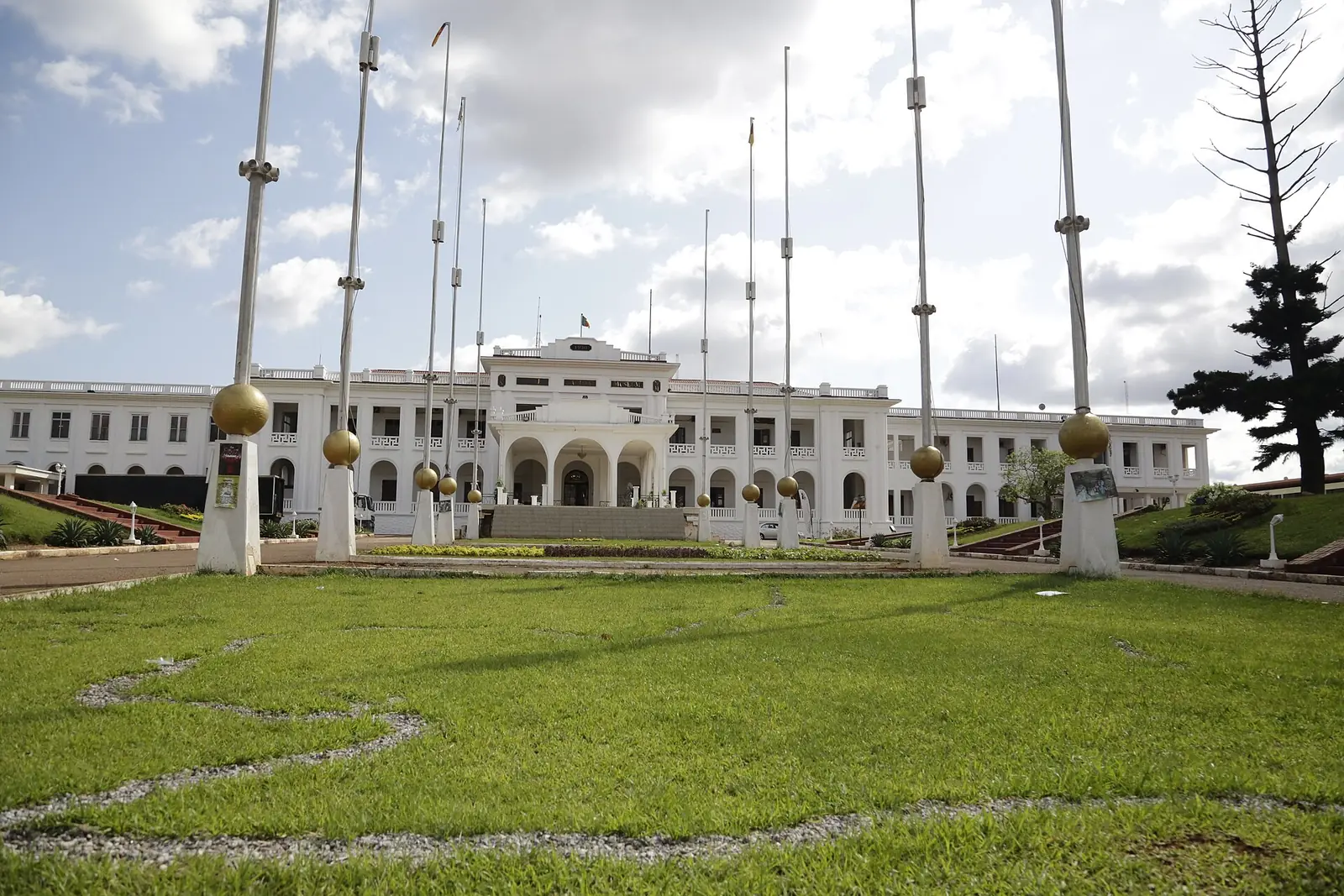
National Museum of Cameroon
Cameroon's largest museum, created in 1988 in Yaoundé's former presidential palace and once the French governors' residence. A new phase of modernisation began in 2026.
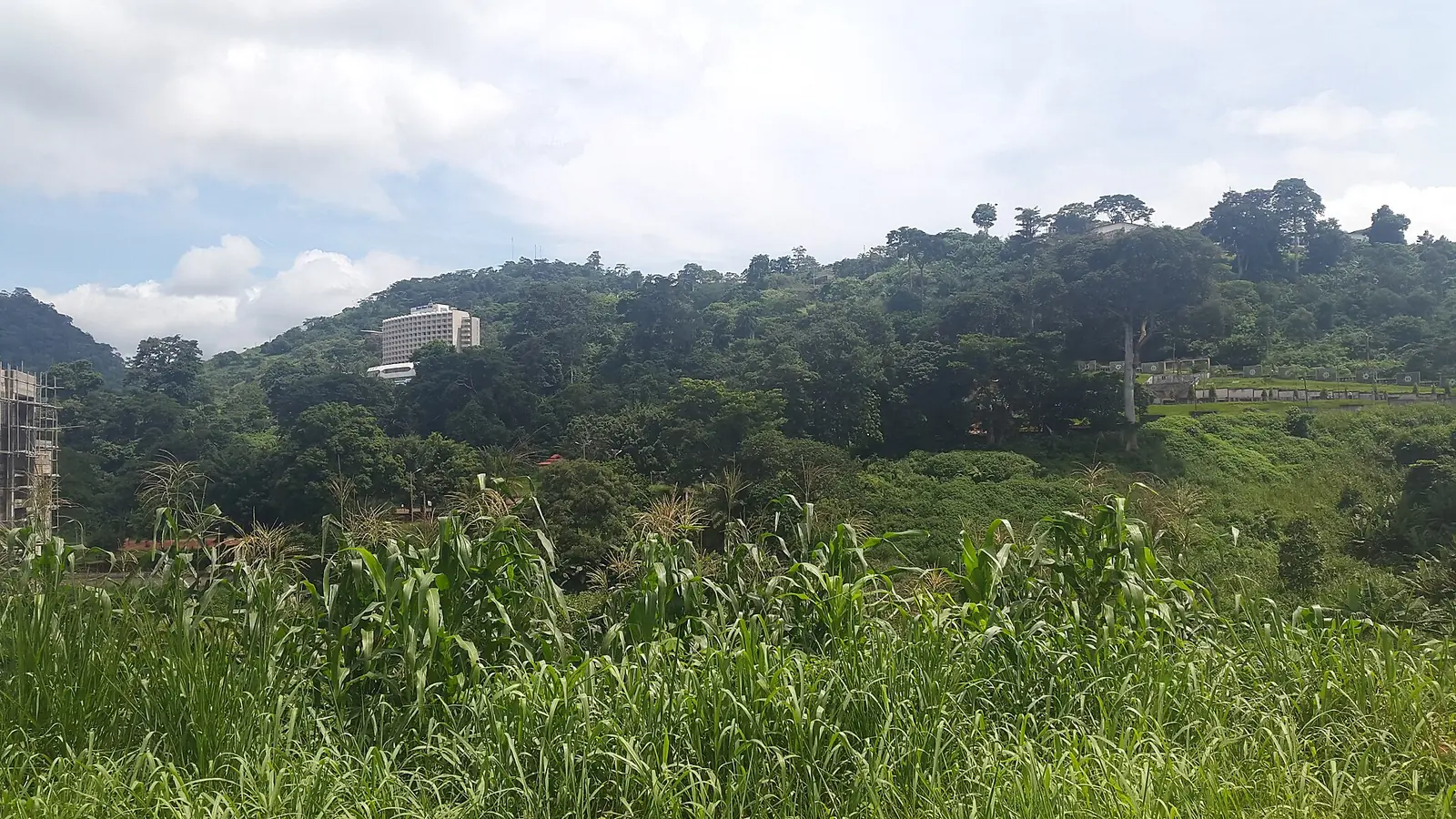
Mont Fébé
Rising to 1,077 m above Yaoundé, Mont Fébé has a Benedictine monastery with a small museum of Cameroonian art, and a walking route to a rock with a wide view over the city.
Mvog-Betsi Zoo-Botanical Garden
A zoo and botanical garden founded in 1951 in Yaoundé's Mvog-Betsi district, with a small collection of animals and shaded grounds in the middle of the city.