- Created
- 1988, in the former presidential palace1
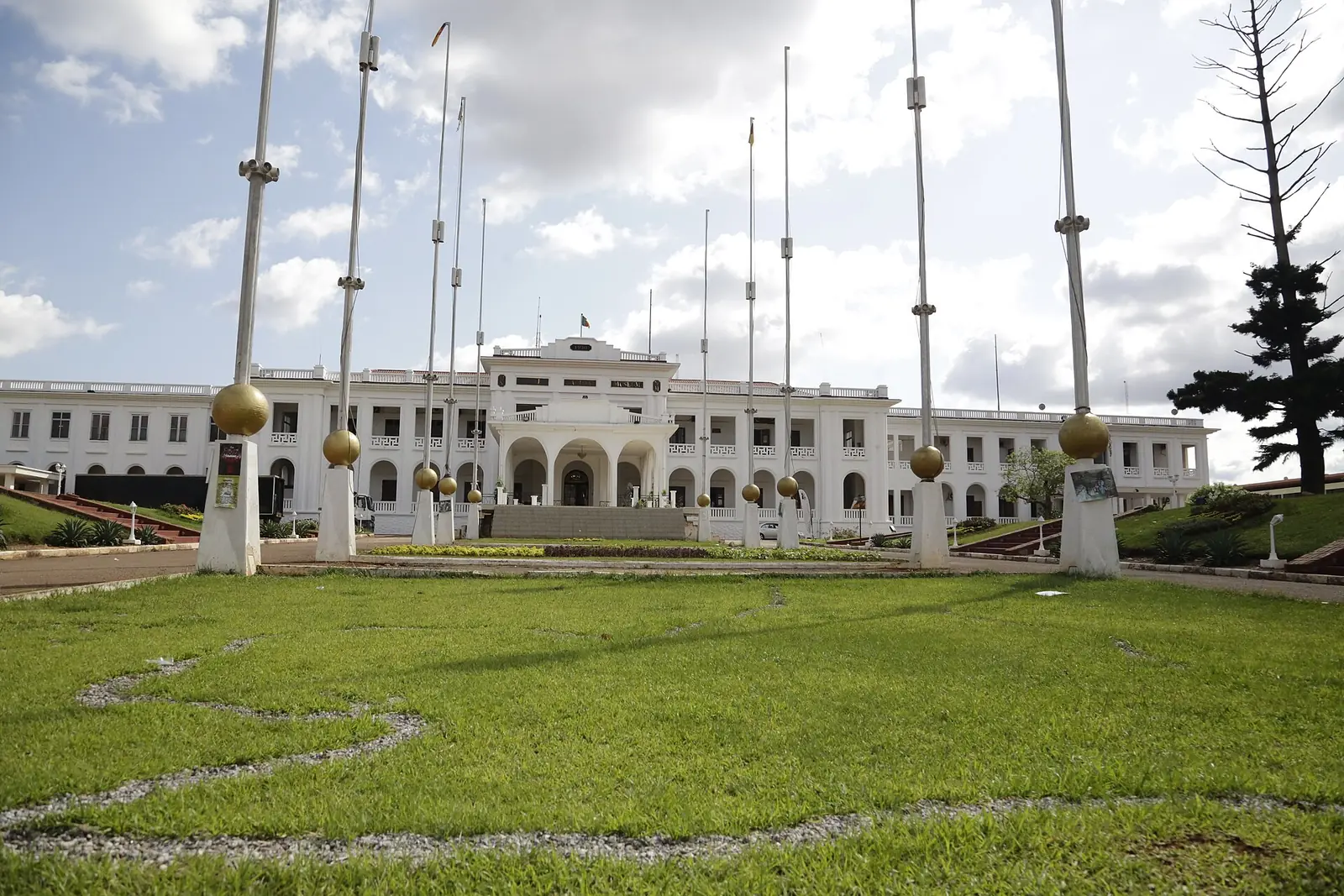
A museum in a former palace
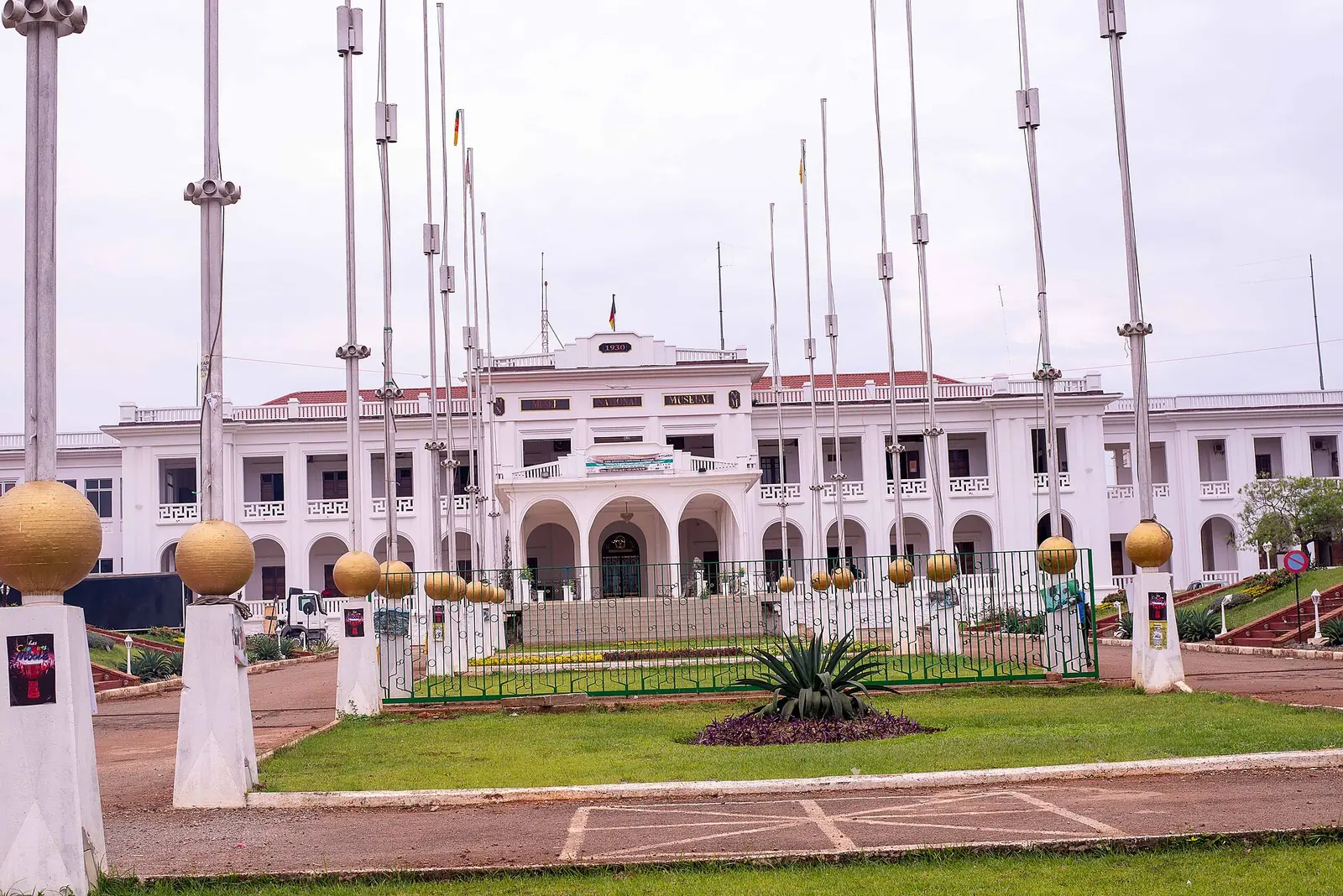
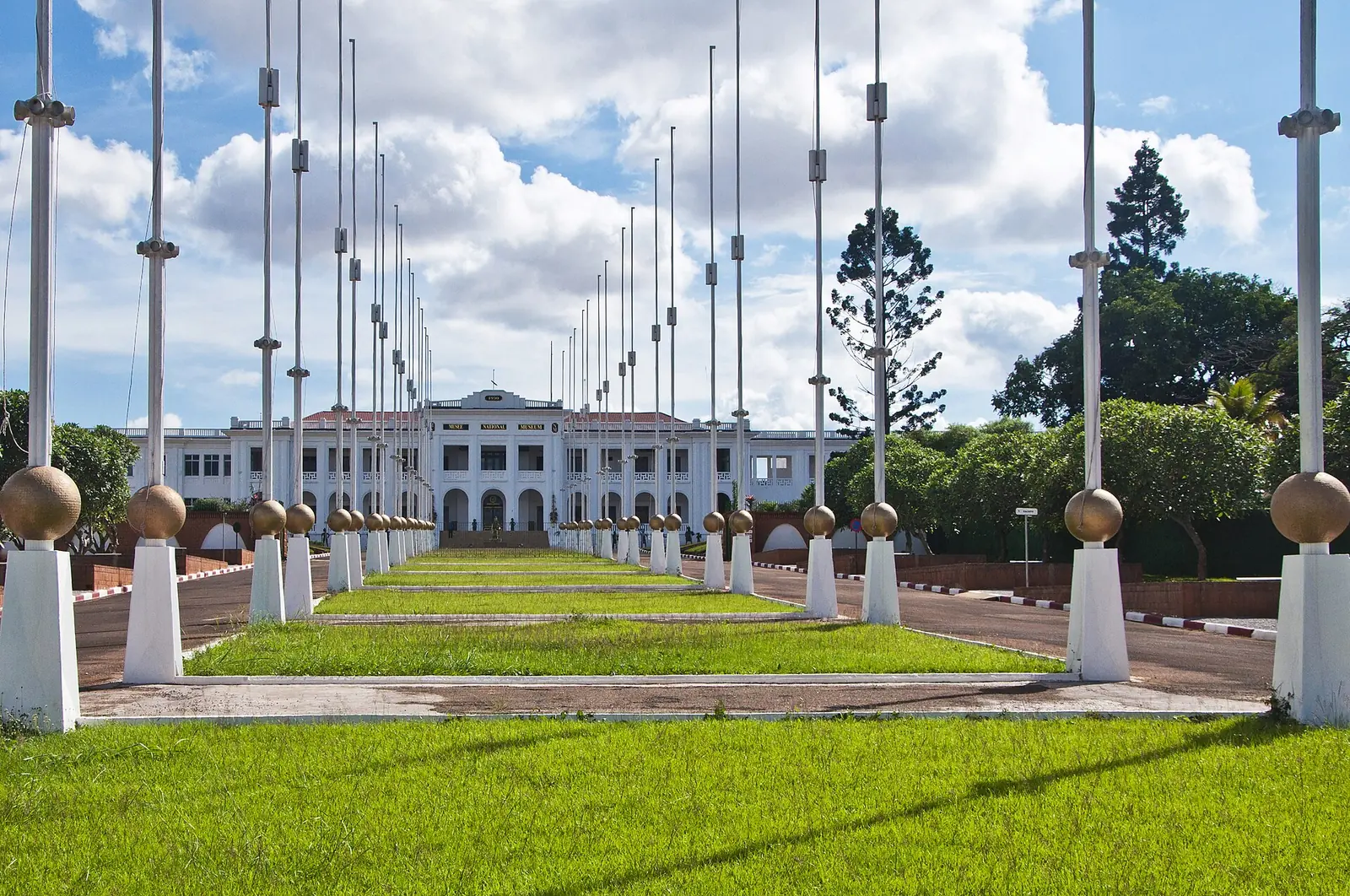
The National Museum of Cameroon occupies a colonial-era building in Yaoundé's administrative quarter. It began as the residence of the French governors, became the presidential palace after independence, and is now the museum. Pierre Messmer lived there as governor, and Ahmadou Ahidjo, the country's first president, worked from it.3,4,10
The French development agency AFD says the museum was created there in 1988, covers 5,000 m² and is the largest in the country. It also serves as a reference centre for Cameroon's other museums. One travel site gives 15,000 m² in one place and 5,000 m² in another; we use the 5,000 m² given by AFD and the 2015 press.1,2,3,9
What to see
Our fullest description of the displays dates from the January 2015 reopening, so some may have moved since. Press reports then described more than 30 rooms, with portraits of notable Cameroonians outside, old bronze statuettes on the ground floor and rooms on independence. Upstairs were archive photographs of figures such as Douala Manga Bell, Ruben Um Nyobè and Ernest Ouandié. Other sections covered ancient art and the Iron Age, the Mboum kingdom, and instruments such as the mvet and balafon. A photo exhibition covered 50 years of national life, one decade to a room.2,3
A travel company's page, updated in August 2026, also mentions an Egypt room, Tikar bronze and wood sculptures, and Mboum headdresses.9
A museum still changing
France and Cameroon have worked together on modernising the museum for several years. By January 2025 the director reported a redesigned and newly equipped reserve, redesigned exhibition spaces, and a temporary exhibition made with the museum in Angoulême. In 2026 a report said more than 1,000 items had been documented and catalogued.6,7,8
A further phase was launched at the museum on 17 September 2026. It includes a brighter entrance hall with a map of Cameroon, a room for photographic archives, and a digital model of the building. Reports differ on the details: Cameroon Tribune says about one million euros over 2026 to 2027, while Africa24 says 597,000 euros over 2025 to 2027. Neither says whether rooms will close during the work.5,6
How to get there
The museum is in central Yaoundé. Wikivoyage places it in the Quartier du Lac, and says shared yellow taxis normally cost FCFA 250 within the city, with fares agreed before you ride. Nsimalen airport is 27 km south of the city, and Wikivoyage quotes about FCFA 6,000 for a taxi, sometimes negotiable to 4,500. From Douala, intercity trains take about 3 hours 45 minutes and buses or trains about 3 to 4 hours. The guide also lists a nightly train from Ngaoundéré. These fares carry no date.10
Costs and hours
We found no reliable current fee or exact hours. A travel company's page says the museum opens Tuesday to Sunday from morning to late afternoon and closes on Mondays. It describes foreign visitors' fees as modest, with reduced rates for citizens, students and children under 12, but gives no amounts. Check with the museum before you go.9
Where to stay and eat
Wikivoyage lists La Villa des Lys on Avenue Churchill at about 27,250 FCFA (August 2020) and the Hilton on Boulevard du 20 Mai from 129,000 FCFA (July 2015). For a meal, it lists Le Moulin de France on the same boulevard (June 2022), a restaurant and tea house it calls good but expensive.10
In pictures
Map
What visitors say
We summarise accounts published elsewhere and link to the original. These aren't reviews collected by this site, and we don't show a rating.
Weeks after the reopening, finds the renovated building rather soulless, and regrets that many of Ahidjo's belongings and old photographs are no longer on show. This is one writer's opinion.
Patrice A. N'Wall, opinion column on Camer.be, January 2015
Check before you go
Our sources can't yet confirm these points:
- The current entry fee and exact opening hours
- A contact for the museum
- Which rooms are open during the 2026 to 2027 works
- What is on display now, since the fullest room-by-room description dates from 2015
- When the building itself was built
- The budget and dates of the new phase, on which reports differ
Also nearby
Sources for this page
Information checked on 6 November 2026. It may have changed since.
- Promouvoir le patrimoine historique et culturel au Cameroun, Agence française de développement (undated)
- Musée national : la nouvelle face présentée ce jour au public, Yannick Ebosse, Camer.be (16 January 2015)
- Qui a pris tout ce qui se trouvait dans cet ancien palais présidentiel ?, Patrice A. N'Wall, opinion column, Camer.be (25 January 2015)
- Musée national, Osidimbea encyclopedia (undated)
- Musée national : nouvelle cure de jouvence, Alexandra Tchuileu N., Cameroon Tribune (21 September 2026)
- Cameroon: €1 million to enhance the National Museum, Africa24 (19 September 2026)
- Project to support the modernisation of the National Museum of Yaoundé, Expertise France (30 October 2020)
- Promoting cultural heritage in Cameroon, Expertise France, interview with the museum's director (8 January 2025)
- National Museum, Real Journey Travel and Tours, travel company page (17 August 2026)
- Yaoundé, Wikivoyage (23 October 2026)
Enquire about National Museum of Cameroon
Visit National Museum of Cameroon
Plan your trip to National Museum of Cameroon in the Centre Region. Send us an enquiry about guided tours, accommodation and transport, and we'll reply by email.
Send an enquiryCentre Region
Capital: Yaoundé
Home to Yaoundé, the national capital, the Centre Region lies on a forested plateau crossed by the Sanaga River. It is a heartland of the Beti peoples and the birthplace of bikutsi music.
More places in the Centre Region
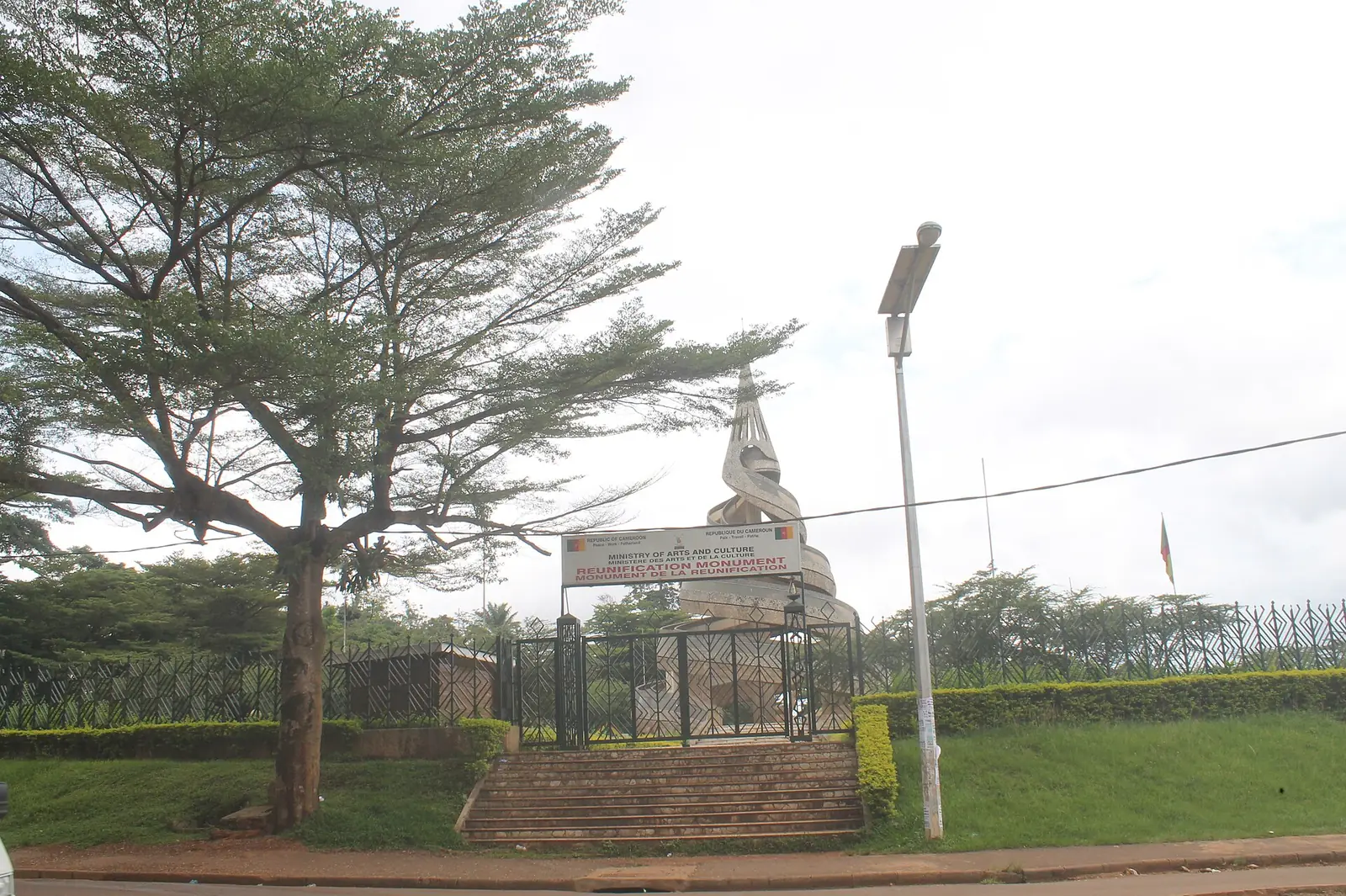
Reunification Monument
A concrete spiral tower and statue in central Yaoundé, marking the 1961 reunification of French-speaking and English-speaking Cameroon and the 1972 United Republic. Most sources date it to 1973 to 1976.
Mefou Primate Sanctuary
A forest sanctuary south of Yaoundé, run by the charity Ape Action Africa, for gorillas, chimpanzees and monkeys rescued from the bushmeat and pet trades. Visits are by guided tour.
Mont Fébé
Rising to 1,077 m above Yaoundé, Mont Fébé has a Benedictine monastery with a small museum of Cameroonian art, and a walking route to a rock with a wide view over the city.
Mvog-Betsi Zoo-Botanical Garden
A zoo and botanical garden founded in 1951 in Yaoundé's Mvog-Betsi district, with a small collection of animals and shaded grounds in the middle of the city.