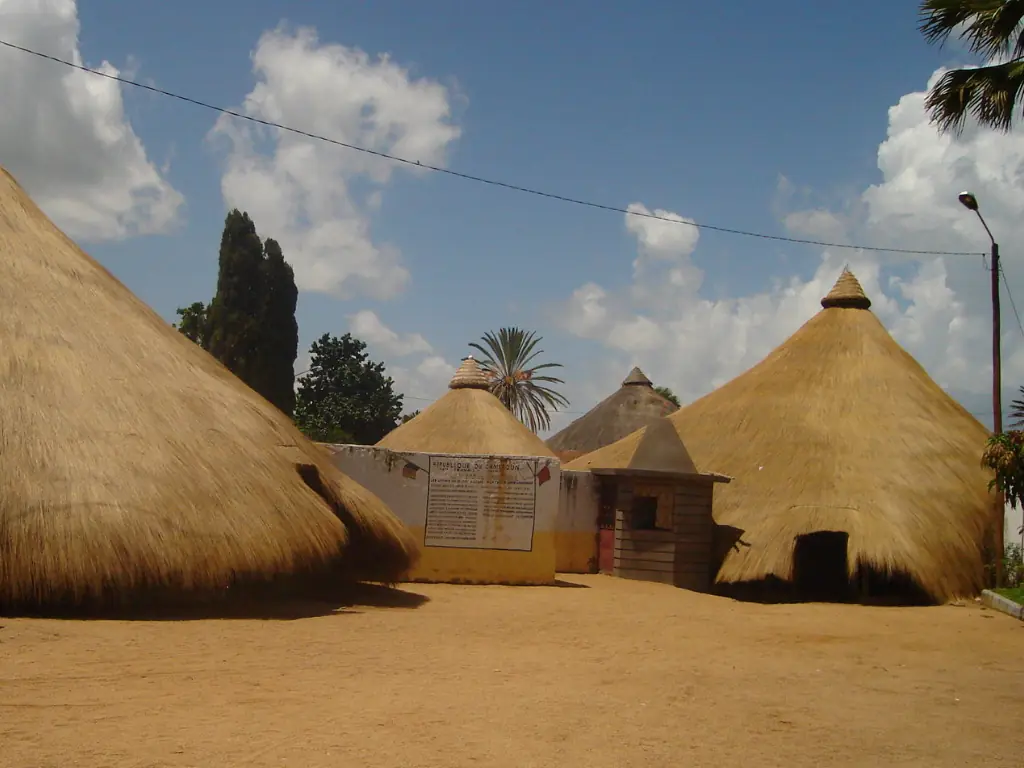
A working palace
History
Fulani leader Ardo Ndjobdi founded the lamidate on the site of an earlier Mboum capital. A 2026 article by a University of Ngaoundéré historian dates this to 1830, and Wikipedia to about 1835. Under Ardo Issa (1854 to 1878), the town gained a fortified wall and ditch.2,6
The present palace dates from the late 19th century, under Mohammadou Abbo, who ruled from 1887 to 1901. Ndjobdi's first palace stood where the Grand Marché is now, replaced by a French-sponsored market in 1938. The original entrance of the present palace was a large earthen hall with nine pillars. It burned in 1993 and was replaced in cement, though a tall thatched roof still shows behind it.1
The scholar Mark DeLancey links the mosque with the Fulɓe and the palace with the Mboum, the city's two main communities. Wikipedia and a 2012 thesis both report that a ruler must descend from both groups.1,3,6
The buildings
Expect a mix of old and new. The 2012 thesis found Western-style construction on the outside and, inside, large round huts with thatched, spinning-top-shaped roofs. The 2026 article says the walls keep their traditional form, built of beaten earth mixed with grass and animal dung.2,3,4
DeLancey describes a walled complex of several courtyards, with walls about 30 feet (9 m) high. The first courtyard leads to the audience hall, called Jawleeru Njakmukon, or the Room of the Three Portals, a large earthen room under a high thatched roof.1
What to see and do
Visits are guided. Minube's 2025 article says a member of the Lamido's staff leads the tour, and mentions a reception hall with colourful columns where nobles have assigned seats. The visitor it quotes happened to see the Lamido receive his nobles and advisers, with musicians playing. A travel blog updated in 2026 allows 45 minutes to an hour, and suggests going in the morning.9,10
Don't count on a formal museum. Wikivoyage lists the Lamidat as a local history museum, but the 2012 thesis found the old weapons and ceremonial clothing piled in a corner without protection. Ask what is on show.7,11,12
Two public occasions are worth planning around. On Fridays the ruler crosses the square under a canopy with his guards to lead prayer at the mosque, as DeLancey observed in 2000, then returns to the palace to meet his council. At Ramadan and Tabaski, the 2012 thesis reports dances and a fantasia on the palace esplanade. DeLancey notes that only Muslims may enter the mosque precinct.1,4
Costs and etiquette
No official tariff turned up, and the figures vary. A traveller reported 2,000 FCFA including a guide in January 2015. A 2012 survey found that access was paid and that the money went to the palace guide. A travel blog in November 2026 expects a small tip or fee of about €2 to €5. Bring some cash.5,8,9
According to the 2012 thesis, local people remove their shoes to enter, while foreigners and officials do not have to. The travel blog advises modest dress and asking before you photograph anyone.3,9
How to get there
The palace is in the centre of Ngaoundéré, within walking distance of the markets or a short motorcycle taxi ride, according to a 2015 account. To reach the city, Camrail runs a daily overnight train from Yaoundé, with seats and couchettes, and buses and private taxis come from Douala and Yaoundé. According to Wikivoyage, the city's airport has no scheduled services, and the nearest is at Garoua, about four hours north by bus.7,8
Where to stay
Wikivoyage describes Hotel Transcam as one of the better hotels in town, with prices from 30,000 FCFA a night as of October 2017.7
Map
What visitors say
We summarise accounts published elsewhere and link to the original. These aren't reviews collected by this site, and we don't show a rating.
Describes several buildings that combine the modern and the traditional, a guided visit, and the chance encounter with a reception for the Lamido's nobles and advisers.
Alicia Ortego, quoted by minube, Published September 2025; visit undated
A researcher living in Cameroon found the palace beautiful and interesting to visit, and notes the Lamido's pride in good relations between Muslims and Christians.
Gretchen Baldwin, Pink Pangea, January 2015
Check before you go
Our sources can't yet confirm these points:
- The current visit fee and whether it is fixed
- Opening hours, and days or times when visits stop
- A contact for arranging a visit
- Which rooms and objects visitors can see today, and whether there is a museum
- Photography rules inside the palace
- Current dates and times for the Friday procession and the fantasia
Also nearby
Sources for this page
Information checked on 6 November 2026. It may have changed since.
- Between Mosque and Palace: Defining identity through ritual practice in Ngaoundéré, Cameroon, Mark Dike DeLancey, Cahiers d'études africaines 208 (2012)
- Les palais des souverains des lamidats de Ngaoundéré et Rey-Bouba du Cameroun septentrional : entre résidences des souverains et sites touristiques, Pascal Greng, Université de Ngaoundéré, Revue Enclume d'Ivoire vol. 3 no. 7 (2026-04)
- Le tourisme dans le département de la Vina, annexe I, Harry Sadio Fopa, master's thesis, Université de Ngaoundéré (2012)
- Le tourisme dans le département de la Vina : chefferies et manifestations culturelles, Harry Sadio Fopa, master's thesis, Université de Ngaoundéré (2012)
- Le tourisme dans le département de la Vina : accès aux sites et retombées, Harry Sadio Fopa, master's thesis, Université de Ngaoundéré (2012)
- Ngaoundéré, Wikipedia (5 October 2026)
- Ngaoundéré, Wikivoyage (26 March 2026)
- How to Spend 48 Hours in Ngaoundere, Gretchen Baldwin, Pink Pangea (9 January 2015)
- Visit Ngaoundéré, Johan Kruseman, Take Your Backpack (travel blog) (1 November 2026)
- Viaje al corazón de la tradición y la hospitalidad adamaouense, Inés García, minube (travel site) (23 September 2025)
- Le tourisme dans le département de la Vina : objets d'art ancestraux, Harry Sadio Fopa, master's thesis, Université de Ngaoundéré (2012)
- Le tourisme dans le département de la Vina : valorisation du patrimoine culturel, Harry Sadio Fopa, master's thesis, Université de Ngaoundéré (2012)
Enquire about Lamido's Palace of Ngaoundéré (Lamidat)
Visit Lamido's Palace of Ngaoundéré (Lamidat)
Plan your trip to Lamido's Palace of Ngaoundéré (Lamidat) in the Adamawa Region. Send us an enquiry about guided tours, accommodation and transport, and we'll reply by email.
Send an enquiryAdamawa Region
Capital: Ngaoundéré
A high plateau of grassland and savanna between Cameroon's forested south and savanna north, with crater lakes, waterfalls and a long tradition of Fulbe cattle herding. Its capital, Ngaoundéré, is the end of the railway from Yaoundé.
More places in the Adamawa Region
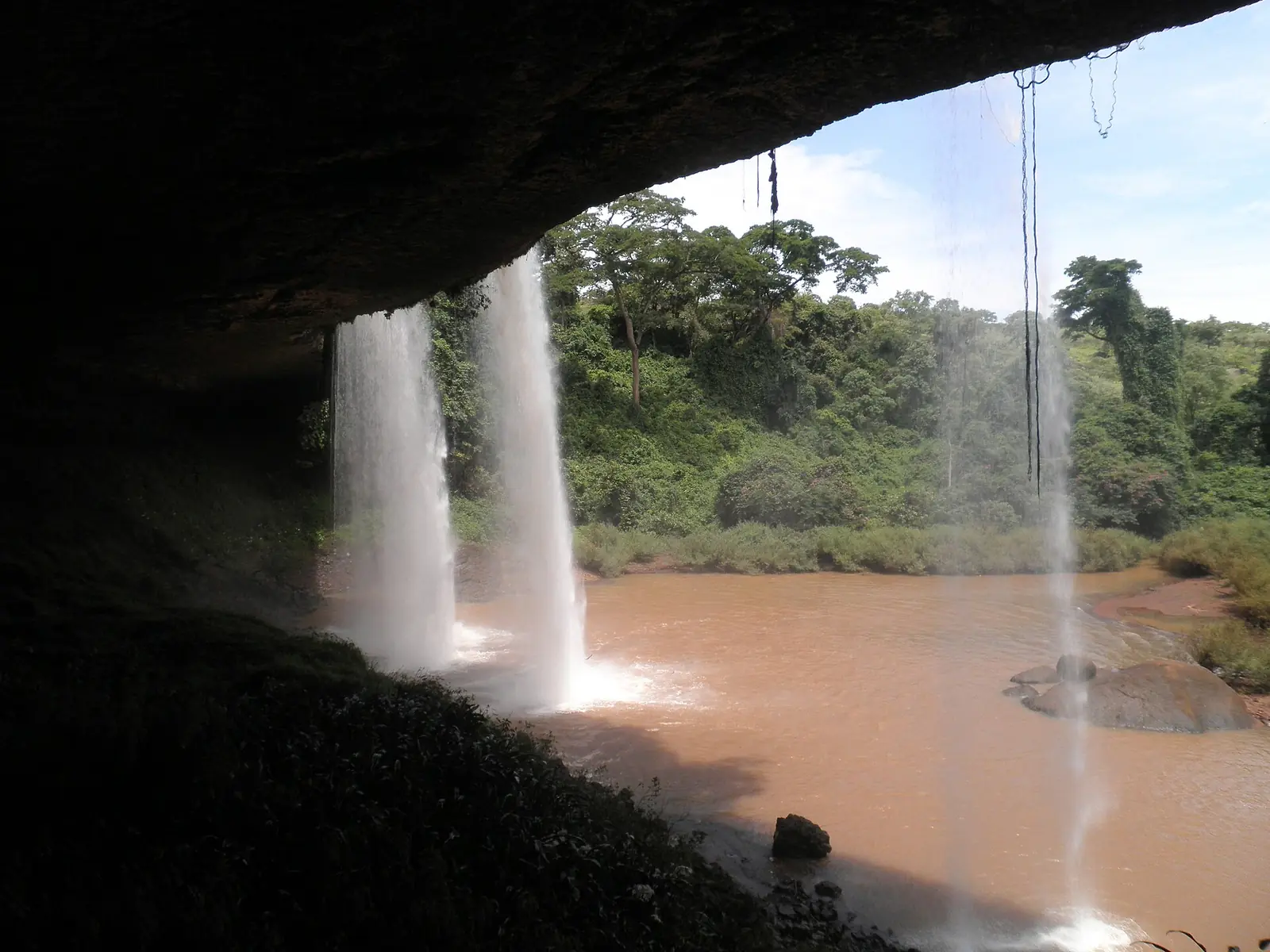
Tello Waterfalls
A waterfall about 40 km east of Ngaoundéré, where the Tello river drops off a table of rock in front of a large cavern. Kew records six globally threatened plant species here.
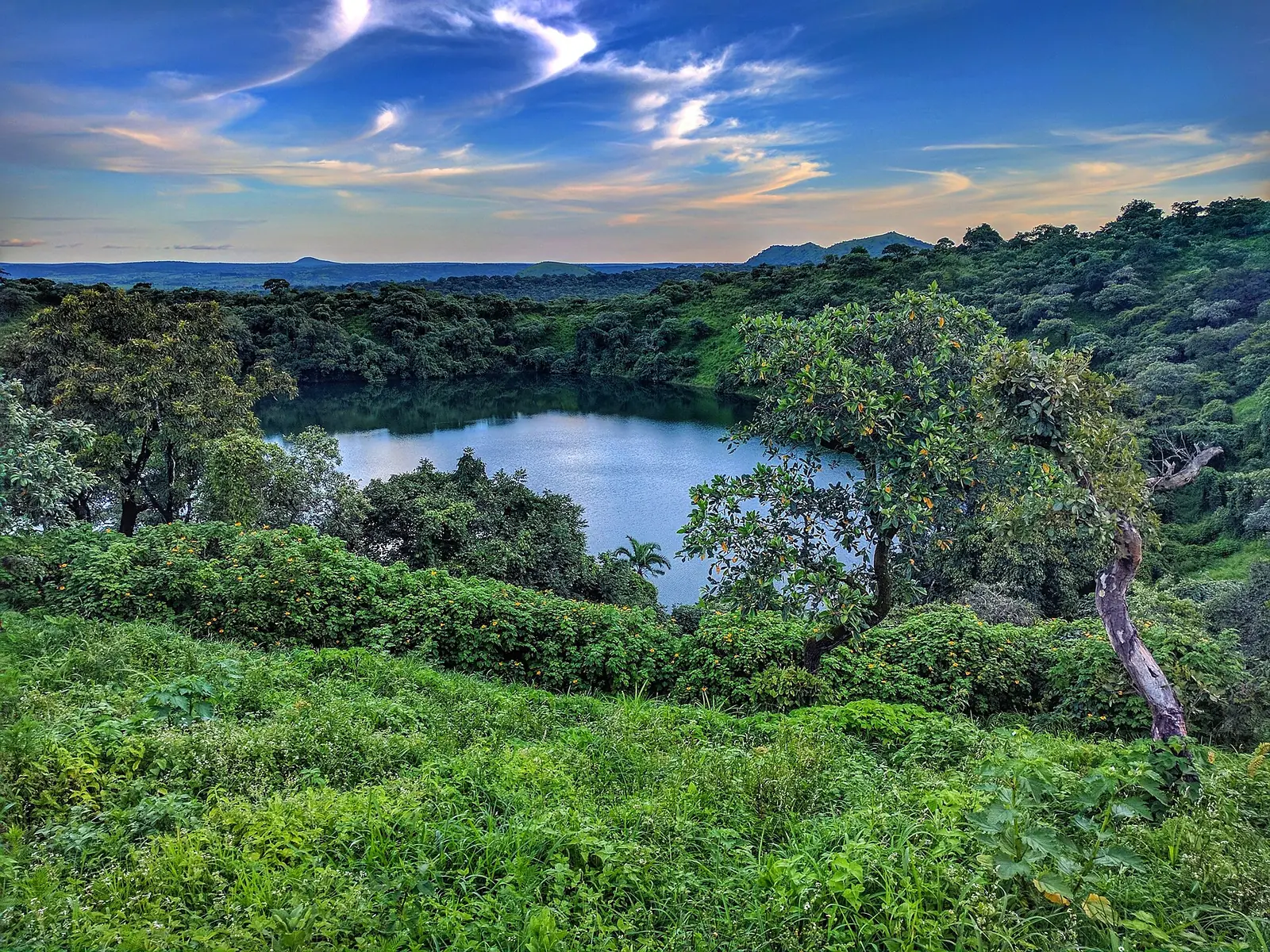
Lake Tison
A crater lake of about 300 m across and up to 48 m deep, some 8 to 10 km from Ngaoundéré. It has no outflow, and a path leads around its shore, with views over the city.
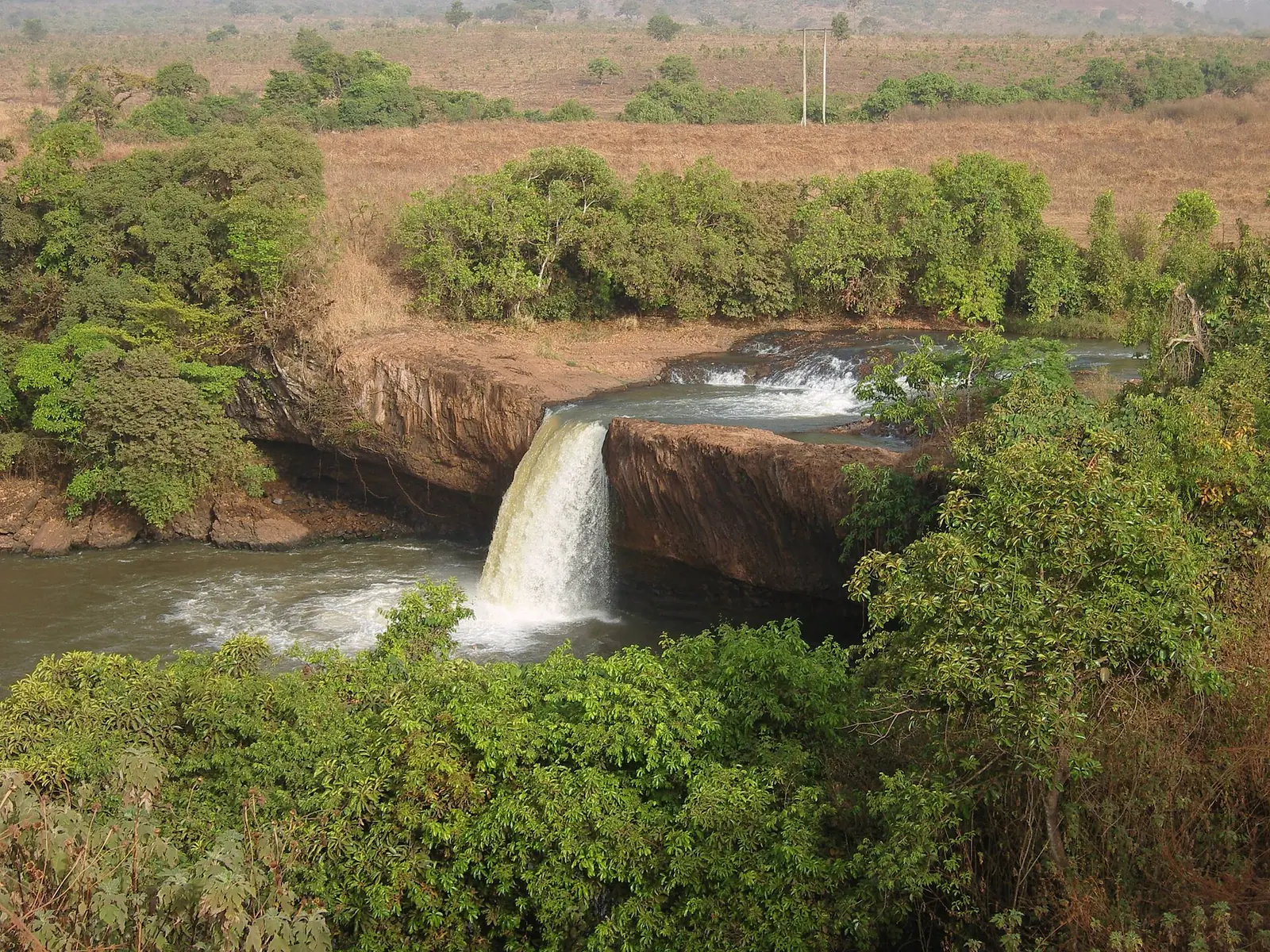
Vina Falls
A waterfall on the Vina river, about 15 km south of Ngaoundéré on the Meiganga road. Sources give its height as 30 or 40 m.
Tchabal Mbabo
The highest point on the Adamawa Plateau, close to the Nigerian border. Its steep north-facing slopes hold Cameroon's northernmost montane cloud forest, above a cool, grassy plateau grazed by Mbororo herds.